Navigating the world of drug development is no small feat, especially for biopharmaceutical companies. They’re constantly facing hurdles, and finding reliable, high-quality partners is absolutely essential. That’s where Custom Development and Manufacturing Organizations—like Thermo Fisher—really come into play. These guys have the expertise in Biopharmaceutical Cdmo services that let companies focus on what they do best—innovating—without getting bogged down by regulatory stuff.
What makes Thermo Fisher stand out? Well, they’ve got tons of experience and a real commitment to quality. They don’t just offer one-size-fits-all solutions; instead, they customize their services to match exactly what each client needs. Plus, they’re always pushing forward with the latest technology to make processes smoother and more efficient. That kind of flexibility is super important in an industry that’s constantly changing. Of course, not every project will be perfect right off the bat—it’s all about continuous improvement and listening to feedback to get better over time.
Deciding on the right Biopharmaceutical Cdmo isn’t a choice to take lightly. Companies need to consider factors like their capabilities and past performance. Knowing where a partner might fall short helps you make smarter decisions and build stronger collaborations. When it comes down to it, in an industry where precision really matters, teaming up with trusted leaders like Thermo Fisher is a smart move. Their reputation speaks volumes and builds the trust that's absolutely vital in biopharmaceutical manufacturing.
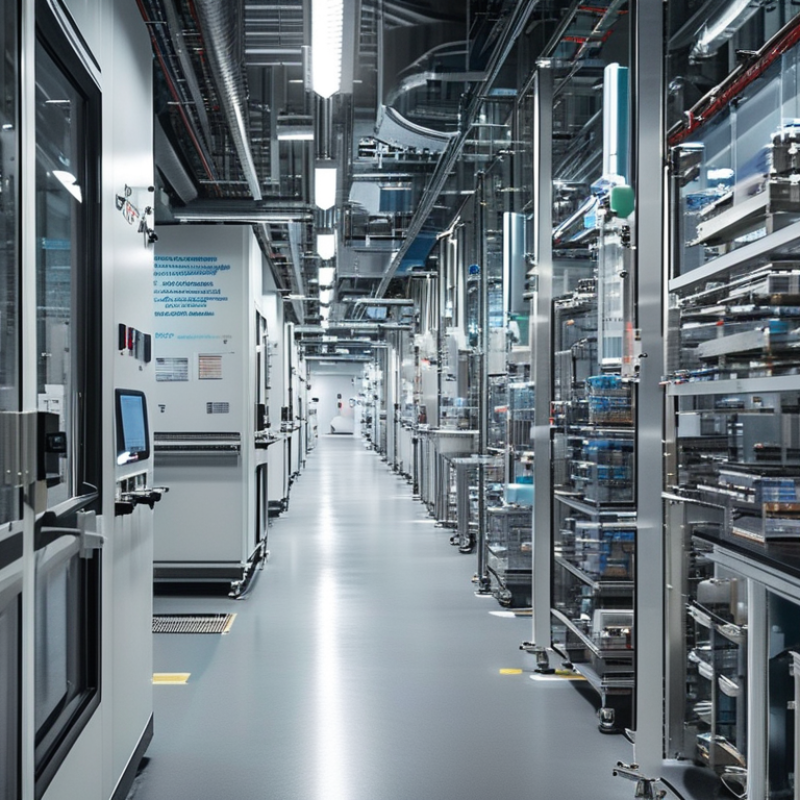
Overview of Biopharmaceutical CDMOs and Their Importance
Biopharmaceutical Contract Development and Manufacturing Organizations (CDMOs) play a crucial role in the drug development landscape. According to a rEport by BioPlan Associates, the globalbiopharmaceutical CDMO market reached approximately $11 billion in 2022, reflecting robust growth. This sector enables companies to outsource critical aspects of biopharmaceutical production, leading to accelerated development timelines and cost efficiency.
The importance of CDMOs is evident. They possess expertise in biologics manufacturing, ensuring compliance with stringent regulatory standards. Their specialized facilities are often equipped with advanced technologies, such as single-use systems and continuous manufacturing processes. Additionally, the need for flexibility in production capacity has grown. A recent survey indicated that 60% of biopharmaceutical companies plan to increase their reliance on CDMOs in the next few years to enhance operational agility.
Challenges remain within the industry. Quality assurance and management of supply chain risks are ongoing concerns. Not all CDMOs have consistent performance and reliability. This highlights the importance of diligent vetting and assessment of CDMO partners. Trustworthy relationships are paramount for successful collaborations, as the stakes in biopharmaceutical development are exceptionally high.
Key Features of High-Quality Custom CDMOs in Biopharmaceuticals
In the biopharmaceutical industry, choosing a high-quality Custom Biopharmaceutical Cdmo is crucial. Research shows that over 50% of biopharmaceutical companies prioritize expertise in quality assurance (QA) and regulatory compliance. These features can significantly influence product success and market access. A CDMO equipped with a robust QA framework minimizes risks associated with biomanufacturing, such as contamination and inefficiencies.
Flexibility is another essential characteristic of high-quality Custom Biopharmaceutical CDMOs. Companies often face shifting demands in production volumes and timelines. According to industry surveys, 65% of biopharma executives rate adaptability as a top factor in their collaborations with CDMOs. The best partners use modular technologies, which allow for rapid scale-up and tailored processes. Such customization ensures that the biopharmaceutical products meet specific regulatory pathways while maintaining efficiency.
Quality control should not be viewed as a mere compliance checkbox. Continuous improvement mechanisms, such as advanced analytics and real-time monitoring, contribute to a CDMO's reliability. Yet, many firms struggle with outdated methods, which can lead to costly setbacks and lost time. Regular audits and process evaluations are necessary for identifying and addressing these gaps. Overall, the commitment to proactive improvements will give biopharmaceutical companies the edge they need in a competitive landscape.
2026 Biopharmaceutical CDMO Key Features Comparison
Introduction to Thermo Fisher Scientific and Its Role in CDMO Services
Thermo Fisher Scientific plays a pivotal role in the contract development and manufacturing organization (CDMO) landscape. Their services cater to biopharmaceutical companies, assisting in various stages of drug development. This allows companies to focus on their core competencies while relying on specialized services for production.
With a diverse portfolio, Thermo Fisher supports everything from Cell Line Development to large-scale manufacturing. Their facilities are equipped with advanced technology, ensuring high-quality outputs. However, scaling operations can present challenges. Companies may experience bottlenecks, especially during peak demand periods. Flexibility in capacity is essential, yet it can be difficult to achieve.
As biotechnology evolves, the need for adaptability grows. Organizations must reflect on their relationships with CDMOs. Trust is key, but even the most established firms can encounter hiccups. Communication and transparency remain critical to overcoming these obstacles. By fostering an open dialogue, companies can enhance collaboration, ultimately leading to better outcomes.
Evaluating CDMO Quality: Metrics and Standards to Consider
Evaluating the quality of a Contract Development and Manufacturing Organization (CDMO) in the biopharmaceutical space requires thoughtful consideration. Industry metrics and standards play a crucial role in assessing their capabilities. Key performance indicators such as yield, purity, and compliance with regulatory standards are paramount. It is vital to examine their historical performance in these areas. Transparency in reporting can reflect a CDMO's reliability and commitment to quality.
Service quality often hinges on communication practices as well. Biopharmaceutical Cdmo Service providers must ensure proactive and clear communication with their partners. Misunderstandings can lead to costly delays and errors. Regularly scheduled meetings can enhance collaboration and address potential issues before they escalate. Listening to client feedback is a necessary step for improvement and establishing trust.
However, not every CDMO embodies excellence. Some may present impressive metrics but fail to deliver the overall service. It's essential to delve deeper into client testimonials and case studies. The real-world effectiveness of a CDMO often reveals more than advertised capabilities. Innovating and adjusting methodologies in response to feedback showcases a CDMO's adaptability and dedication to quality in every biopharmaceutical CDMO service.
Innovations in Biopharmaceutical Manufacturing by Thermo Fisher
In recent years, the biopharmaceutical manufacturing landscape has witnessed remarkable innovations. A significant trend is the adoption of single-use technologies. These systems reduce cross-contamination risks, streamline processes, and enhance flexibility. According to a recent market report, over 70% of companies are expected to implement single-use solutions by 2025.
Another noteworthy development is continuous manufacturing. This approach allows for real-time data collection, which enhances overall efficiency and consistency. Industry data suggests continuous production can cut overall manufacturing costs by up to 30%. However, transitioning to this model requires careful planning and robust infrastructure.
Despite these advancements, challenges remain. The integration of new technologies often encounters resistance from traditional practices. There's a gap in workforce skills, which can hinder implementation. Companies must invest in training and development to prepare employees for these new systems. Fostering an environment that embraces change is essential for success in this evolving industry.
Case Studies: Successful Partnerships with Thermo Fisher CDMO
Successful collaborations between companies and contract development and manufacturing organizations (CDMOs) have led to notable advancements in the biopharmaceutical industry. For instance, Case Study A highlights how an innovative biotechnology firm partnered with a Biopharmaceutical Cdmo Supplier to enhance their product's development timeline. The CDMO provided essential expertise in formulation development and regulatory compliance, allowing the biotech firm to navigate complex regulatory landscapes efficiently.
In another example, Case Study B illustrates a joint effort where a pharmaceutical company sought the CDMO’s capabilities for large-scale production. The CDMO ensured adherence to stringent quality standards while optimizing the manufacturing process. This partnership created a feedback loop, highlighting areas for improvement and fostering a culture focused on continuous enhancement. However, there were challenges, such as initial miscommunications, that must be addressed in future collaborations.
Such case studies reflect the essential role of biopharmaceutical CDMO suppliers in driving innovation. These partnerships allow firms to leverage specialized knowledge and capabilities. As the industry evolves, it's crucial to recognize the need for transparency and effective communication for a successful relationship. Ultimately, collaboration with CDMOs can propel development while emphasizing the importance of learning from past experiences.
Future Trends in the Biopharmaceutical CDMO Market (2026 and Beyond)
The biopharmaceutical contract development and manufacturing organization (CDMO) market is evolving rapidly. It is crucial for industry stakeholders to watch emerging trends. Biopharmaceutical Cdmo Suppliers are adopting advanced technologies like automation and artificial intelligence. These innovations can improve efficiency and reduce production costs. However, the integration of such technologies is not without challenges. Organizations must train their teams to adapt to new systems.
Sustainability is another vital trend. Biopharmaceutical companies face increasing pressure to minimize their environmental impact. Companies are investing in greener processes and materials. This shift reflects a broader commitment to corporate responsibility. Yet, achieving sustainability goals can be tricky. Balancing cost and eco-friendliness often requires careful planning and reflection.
Regulatory compliance remains a complex issue. As the landscape evolves, companies must stay updated with the latest regulations. This often entails additional investments in training and infrastructure. Some small and mid-sized biopharmaceutical CDMO suppliers may struggle with this, lacking necessary resources. They might need to reconsider their strategies to remain competitive. Embracing these trends is crucial for future success, but the path forward is not always clear.
FAQS
: Focus on yield, purity, and regulatory compliance. Historical performance data can provide insight into reliability.
Effective communication is essential. Regular meetings can prevent misunderstandings and costly delays in projects.
Not always. Some CDMO might show good metrics but fail in actual service quality. Examine client testimonials for deeper insights.
Case studies reveal the real-world effectiveness of CDMOs. They often highlight strengths and areas needing improvement.
Automation, artificial intelligence, and sustainability are key trends. These innovations can enhance efficiency but bring challenges.
Many are shifting towards greener processes and materials. Balancing costs and eco-friendliness requires careful planning.
Keeping up with evolving regulations can strain resources. Many may need to reassess their strategies for competitiveness.
Reflections on past challenges can lead to improved collaboration. Effective feedback loops foster a culture of continuous enhancement.
By innovating and modifying methodologies based on client feedback. This shows commitment to quality service.
Teams must be trained to adapt to new technologies. Such changes often demand time and resources for successful implementation.
Conclusion
The article explores the essential role of biopharmaceutical CDMOs (Contract Development and Manufacturing Organizations) in the ever-evolving landscape of biopharmaceutical manufacturing. It highlights the key features that define high-quality custom CDMOs, including their ability to meet regulatory standards, provide innovative solutions, and ensure efficient production processes.
Furthermore, the discussion emphasizes the importance of evaluating CDMO quality through specific metrics and standards to ensure successful partnerships and outcomes in the manufacturing of biopharmaceuticals. The article also looks into the innovations shaping the industry and anticipates future trends in the biopharmaceutical CDMO market, making it crucial for stakeholders to stay informed and equipped for upcoming changes.