Leave Your Message
0%

The biotech supply market in 2026 is really getting more complicated, regional, and sensitive when it comes to quality. I mean, according to Grand View Research, the global biotech market hit around USD 1.55 trillion in 2023. And they’re forecasting a pretty impressive 13.8% annual growth rate from 2024 through 2030. As this expansion picks up, there’s definitely more demand for trustworthy T&L biotech suppliers, certified equipment, and transparent international logistics.

For buyers around the world, choosing a supplier isn’t just about the price tag. Things like temperature-controlled shipping, batch traceability, calibration records, and regulatory paperwork can seriously make or break your project. The WHO stresses the importance of quality assurance across the entire supply chain for pharma and biotech products. Meanwhile, the OECD points out how biotech is becoming even more vital in healthcare, farming, and industrial stuff. All of this just reinforces why it’s worth taking a broader look at Biotechnology And Biotechnology Equipment providers—think manufacturers, distributors, lab integrators, and cold-chain specialists.

And let’s not forget — experience still really counts. Dr. Frances Arnold, who won a Nobel in biotech, always says, “Nature is the best chemist.” That’s not just a nice quote; it’s actually a pretty good lesson for buying decisions. The best suppliers are those who marry scientific know-how with solid execution. The companies listed in this guide are evaluated based on what they can deliver—product quality, backup systems, delivery speed, support, and evidence of international trust. But hey, no list is perfect. Things in the market change fast, and performance can differ depending on where you are. So, it’s smart to double-check certifications, lead times, after-sales support, and local compliance before you commit. Doing your homework might slow things down a bit, but trust me, it saves you from costly delays down the line, especially in 2026.

2026 Top T&L Biotechnology Suppliers for Global Buyers

What T&L Biotechnology Suppliers Provide in 2026

In 2026, T&L biotechnology suppliersprovide more than Laboratory Equipment and routine consumables. They support complete workflows, from sample preparation to verified data output. Their catalogs often include automated liquid handlers, temperature-controlled storage, analytical instruments, sterile plastics, assay materials, and validated software. For global buyers, clear specifications matter. A supplier should state detection limits, operating temperatures, calibration intervals, and maintenance requirements.

Experienced suppliers also provide practical support after delivery. This may include installation, operator training, remote troubleshooting, preventive maintenance, and documented performance checks. Reliable logistics are equally important. Export-ready packaging, temperature monitoring, customs documentation, and replacement procedures can protect sensitive materials during long shipments. A small temperature excursion can affect an entire research schedule.

Data integration is becoming a core service. Suppliers increasingly connect instruments with laboratory information systems, audit trails, and access controls. These features help teams track samples and reduce manual transcription. Still, automation is not automatically accurate. A fast system with poor validation may create errors at scale. Buyers should request service records, quality certificates, user references, and realistic delivery times. Some suppliers describe every feature beautifully, but explain little about failure handling. That gap deserves careful questioning before a purchase order is approved.

Key Criteria for Evaluating Global Biotechnology Suppliers

Global biotechnology suppliers should be evaluated through evidence, not polished websites. A capable supplier explains its Biotechnology Solutions with clear technical documentation, defined performance data, and realistic delivery timelines. Ask for quality certificates, batch records, testing methods, and change-control procedures. These details reveal how the company manages daily operations.

Regulatory readiness matters across borders. Check whether the supplier understands import rules, product classification, labeling, and data requirements in your target markets. Independent audits can confirm manufacturing controls, staff training, facility hygiene, and equipment maintenance. Reliable suppliers also maintain traceability from raw materials to final shipment. A missing document may create weeks of delay.

Experience should be practical, not merely promotional. Request anonymized case examples involving similar temperatures, volumes, or product specifications. Technical support should answer questions with measured explanations, not vague promises. Examine packaging tests, cold-chain monitoring, emergency contacts, and replacement policies. Response time matters when a shipment sits at a customs checkpoint.

No supplier is flawless. That is worth remembering. A transparent partner admits limitations and documents corrective actions. Buyers should also test communication before signing a contract. Send a detailed inquiry and compare the accuracy, speed, and consistency of the reply. Price deserves attention, but unusually low pricing may hide weaker testing or fragile logistics. A careful evaluation protects product integrity, regulatory compliance, and long-term purchasing decisions.

Leading T&L Biotechnology Supplier Categories

Global biotechnology buyers are increasingly selecting suppliers by category, not by product name alone. The key groups include Pharmaceutical Biotechnology, bioprocessing equipment, laboratory consumables, analytical testing, and temperature-controlled logistics. Each category supports a different stage, from cell-line development to validated delivery.

Pharmaceutical Biotechnology suppliers provide platforms for biologics, vaccines, and advanced therapies. Grand View Research valued the global biopharmaceutical market at more than USD 400 billion in 2023. Its rEport also projects strong double-digit growth through 2030. Bioprocessing suppliers add single-use systems, filtration units, and process sensors. These tools can reduce contamination risks and shorten manufacturing changeovers.

Cold-chain logistics is another critical category. The International Air Transport Association reports that healthcare products represent a major share of specialized air freight, requiring strict temperature monitoring. Meanwhile, the IQVIA Institute’s 2024 outlook projects global medicine spending will approach USD 2.3 trillion by 2028. This growth increases demand for dependable testing, packaging, and distribution partners. Data is useful, but forecasts can miss regional disruptions. Buyers should still verify audit records, deviation handling, calibration evidence, and delivery performance. Small details matter. A missing temperature record can weaken an otherwise strong supplier evaluation.

2026 Top T&L Biotechnology Suppliers for Global Buyers

Leading T&L Biotechnology Supplier Categories

This buyer-priority index evaluates supplier categories by regulatory relevance, quality-system requirements, technical fit, supply continuity, and data-integrity expectations. It is an analytical benchmark rather than company revenue or market-share data.

Reference framework: WHO Laboratory Biosafety Manual, 4th edition; ISO 15189:2022; ISO/IEC 17025:2017; OECD Principles of Good Laboratory Practice; FDA 21 CFR Part 11; ISO 20387:2018.

Core Products and Services Offered by T&L Suppliers

T&L biotechnology suppliers support laboratories with essential products and practical technical services. Their core range often includes research reagents, enzymes, Antibodies, nucleic acid kits, cell culture media, and sterile laboratory consumables. Some suppliers also provide benchtop instruments for sample preparation, amplification, imaging, and routine analysis. Product quality depends on clear specifications, batch records, storage conditions, and tested performance.

Services can be equally important. Experienced suppliers may offer custom assay development, oligonucleotide or protein production, protocol optimization, and troubleshooting support. They should provide certificates of analysis, safety documentation, lot traceability, and temperature-controlled delivery. A reliable technical team can explain compatibility with existing instruments instead of simply recommending the most expensive option. No supplier is perfect. Delivery delays and unclear validation details still occur, even with established systems. That deserves attention.

Tips: Check sample stability, minimum order quantities, lead times, and replacement policies before purchasing. Ask for application data using a workflow similar to yours. Keep a small evaluation batch before making a larger commitment. Compare technical support, not only price. A low-cost reagent may create extra testing work. Review documentation carefully, because one missing storage instruction can affect an entire experiment.

2026 Top T&L Biotechnology Suppliers for Global Buyers - Core Products and Services Offered by T&L Suppliers

Supplier Category Core Products Primary Services Typical Buyer Applications Common Quality Documentation Storage and Shipping Requirements Global Purchasing Considerations
Recombinant Protein and Enzyme Suppliers Growth factors, cytokines, recombinant enzymes, carrier proteins, and research-grade antigens Expression optimization, purification, activity testing, aliquoting, and custom protein production Cell culture, assay development, bioprocess research, diagnostics, and drug discovery Certificate of analysis, SDS, purity data, endotoxin results, sterility statement, and lot traceability Usually refrigerated or frozen; temperature control depends on formulation and product stability Verify host system, biological activity units, endotoxin limits, batch consistency, and import documentation
Antibody and Immunoassay Reagent Suppliers Monoclonal antibodies, polyclonal antibodies, secondary antibodies, conjugates, and assay controls Antibody screening, validation, conjugation, titer testing, and custom antibody development Western blotting, ELISA, flow cytometry, immunohistochemistry, and research diagnostics Validation data, recommended dilution range, isotype information, cross-reactivity data, and lot-specific certificate Commonly shipped refrigerated or frozen; light protection may be required for fluorescent conjugates Assess species reactivity, clone or epitope information, application validation, conjugate stability, and replacement policy
Cell Culture Media and Supplement Suppliers Basal media, chemically defined media, sera, hydrolysates, supplements, and media concentrates Media optimization, filtration, aseptic filling, formulation adjustment, and scale-up support Mammalian cell culture, microbial fermentation, vaccine research, and biopharmaceutical production Composition statement, sterility test, osmolality and pH data, mycoplasma test, and raw-material traceability Temperature requirements vary; some liquid products require cold-chain transport while powders may ship ambient Confirm animal-origin status, regulatory suitability, lot-to-lot comparability, shelf life, and minimum order quantity
Cell Line and Primary Cell Suppliers Research cell lines, primary cells, stem-cell-derived cells, organoids, and cryopreserved cell products Cell banking, authentication, viability testing, differentiation support, and custom cell sourcing Toxicology, disease modeling, regenerative medicine research, screening, and assay development Authentication report, mycoplasma test, viability data, passage information, donor documentation, and biosafety statement Cryopreserved products generally require dry ice or validated frozen shipment and rapid transfer to liquid-nitrogen storage Check biosafety level, donor consent requirements, genetic background, passage number, and local import permits
Nucleic Acid and Molecular Biology Suppliers Synthetic DNA, RNA, oligonucleotides, primers, probes, plasmids, and molecular cloning reagents Sequence design, gene synthesis, cloning, sequencing verification, labeling, and purification PCR, qPCR, gene editing research, sequencing, synthetic biology, and assay development Sequence confirmation, purity report, concentration data, restriction map, endotoxin information, and chain-of-custody records Dry or buffered products may ship ambient; RNA and sensitive reagents may require frozen or refrigerated transport Review sequence restrictions, synthesis scale, purification method, turnaround time, data privacy, and customs requirements
Viral Vector and Gene Delivery Suppliers Adeno-associated viral vectors, lentiviral vectors, adenoviral vectors, and non-viral delivery reagents Vector design, plasmid preparation, transfection, production, purification, titration, and functional testing Gene therapy research, cell engineering, vaccine development, and preclinical studies Vector genome titer, infectious or functional titer, sterility, mycoplasma, residual host-cell DNA, and endotoxin results Typically shipped frozen with validated packaging; repeated freeze-thaw cycles should be minimized Evaluate biosafety controls, transgene capacity, potency assay, production scale, regulatory grade, and export restrictions
Bioprocessing and Single-Use Technology Suppliers Single-use bags, tubing assemblies, filters, connectors, bioreactors, mixing systems, and process sensors Application engineering, system design, extractables and leachables support, installation, and process validation Upstream and downstream processing, sterile fluid handling, buffer preparation, and cell therapy manufacturing Material certificates, irradiation certificate, integrity test, pressure rating, biocompatibility data, and validation package Generally ambient storage in clean packaging; temperature and humidity limits depend on material and assembly Confirm material compatibility, connection standards, sterilization method, delivery capacity, and change-control procedures
Chromatography and Purification Suppliers Resins, membrane adsorbers, depth filters, prepacked columns, and purification consumables Process development, resin screening, scale-up studies, column packing, and purification troubleshooting Protein purification, antibody processing, viral-vector purification, and laboratory-scale biomanufacturing Performance data, pressure-flow curves, chemical compatibility, extractables information, and cleaning recommendations Most products ship ambient; storage buffer, humidity control, and temperature limits must follow the product specification Compare binding capacity, selectivity, lifetime, scale-up performance, column dimensions, and technical support availability
Analytical Testing and Bioassay Service Suppliers Identity, purity, potency, sterility, endotoxin, residual impurity, and stability testing Method development, method validation, release testing, stability programs, and laboratory data management Biologics development, cell and gene therapy testing, quality control, and regulatory submissions Validated methods, test reports, raw data, deviation records, audit trails, and laboratory quality certificates Sample handling depends on analyte stability; shipment may require ambient, refrigerated, frozen, or dry-ice conditions Confirm laboratory accreditation, sample quantity, method transfer requirements, reporting language, and data-integrity controls
Custom Manufacturing and Contract Development Suppliers Custom proteins, antibodies, nucleic acids, assay kits, formulated intermediates, and process materials Design and development, pilot production, scale-up, quality control, packaging, and technology transfer Research programs, diagnostics, preclinical development, and early-stage commercial manufacturing Quality agreement, batch records, certificates of analysis, change-control records, deviation reports, and stability data Shipping conditions are product-specific and may include validated cold-chain, frozen, or controlled-ambient logistics Assess capacity, intellectual-property protection, minimum batch size, lead time, audit access, and regulatory experience
Buyer evaluation note: Product suitability should be confirmed against the supplier’s current technical specification, certificate of analysis, quality agreement, shipping validation, and destination-country import requirements.

Quality Standards, Certifications, and Regulatory Compliance

Selecting 2026 T&L biotechnology suppliers requires more than comparing prices or delivery promises. Quality systems should match the product’s risk, purpose, and destination. For Industrial Biotechnology materials, buyers should review documented GMP practices, ISO 9001 quality management, and ISO 17025 laboratory competence where testing is involved. Certification alone is not enough.

Ask suppliers for current certificates, audit reports, batch records, and clear corrective-action procedures. A reliable shipment should include a certificate of analysis, lot identification, safety documentation, and traceable handling records. Temperature-sensitive materials need validated packaging, calibrated monitoring devices, and defined excursion procedures. Check the details.

Regulatory compliance must cover both origin and destination markets. Experienced suppliers screen import requirements, labeling rules, customs documents, and applicable biological-material controls before dispatch.

They should also explain how data integrity is protected during electronic record management. A practical assessment includes reviewing warehouse maps, cleaning logs, training files, and mock recall results.

Small gaps matter. An incomplete timestamp can weaken traceability. One unclear responsibility can delay release. In my experience, supplier interviews reveal more than polished brochures, especially when teams explain failed audits honestly. No audit is perfect. Buyers should question outdated certificates, unexplained subcontracting, and quality claims without supporting evidence. Supplier performance should be reviewed regularly, not only after a shipment problem.

How Global Buyers Can Compare and Select Suppliers

For global buyers, comparing Biotechnology Equipment suppliers requires evidence, not polished catalogs. BioPlan Associates’ 2024 bioprocessing report surveyed more than 200 industry professionals and highlighted supply reliability, quality, and technical support as persistent purchasing concerns. Ask each supplier for documented calibration records, service-response times, installation qualifications, and spare-parts availability. A missing certificate can delay an entire validation schedule.

Use a weighted scorecard before requesting final quotations. Give quality systems 30%, lifecycle service 25%, delivery resilience 20%, technical compatibility 15%, and price 10%. Check whether equipment meets relevant ISO requirements and supports risk-based controls described in the WHO Laboratory Biosafety Manual, 4th edition. Review data integrity, cybersecurity, cleaning procedures, and operator training. Request a sample maintenance report, not a promise.

The 2024 DHL Life Sciences and Healthcare Trend Report identifies visibility and resilience as major supply-chain priorities. Therefore, compare production locations, logistics routes, backup inventory, and escalation contacts. Visit a reference installation when possible. See the equipment running. A supplier may offer a lower initial price, yet weak local support can create expensive downtime. This scoring method is useful, but not perfect. Buyers should challenge their own weightings after pilot testing, because laboratory realities often expose assumptions hidden in spreadsheets.

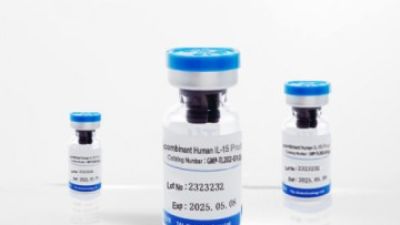
Recombinant Human IFN-γ Protein GMP-TL105: Quality, Applications, and Trusted China Supply

Recombinant human IFN-γ protein is an important cytokine for immunology research, cell-based assay development, and bioprocess applications. GMP-TL105 is manufactured in China and supplied as a quality-focused option for laboratories and production teams requiring consistent recombinant proteins. Its availability from an established factory supports direct sourcing, streamlined communication, and reliable planning for research or process-development schedules.

Industry demand for dependable biologic raw materials continues to grow. The IQVIA Institute’s *Global Use of Medicines 2024 Outlook* projects worldwide medicine spending to approach US$2.3 trillion by 2028, highlighting the expanding need for stable, well-controlled supply chains. In this environment, GMP-TL105 offers practical value through documented manufacturing procedures, quality-oriented production, and readiness for immediate shipment. Customers can request relevant batch information and technical documentation to confirm suitability for their intended application.

Potential uses include immune-response studies, cytokine testing, cell culture research, assay development, and upstream process evaluation. With product availability now and China-based manufacturing, GMP-TL105 provides a convenient supply option for organizations seeking recombinant human IFN-γ protein without extended procurement lead times. Its combination of accessible sourcing, professional production, and application flexibility makes it suitable for laboratories and bioprocess teams evaluating dependable cytokine materials.

FAQS

: What do biotechnology suppliers commonly provide in 2026?

: They provide laboratory equipment, sterile plastics, assay materials, storage systems, software, and analytical instruments. Support may cover the entire workflow. Some also offer installation, training, troubleshooting, and maintenance.

Which technical details should buyers request?

Request detection limits, operating temperatures, calibration intervals, maintenance needs, and expected delivery dates. Ask for documented performance data. Vague specifications create avoidable uncertainty.

Why is temperature control important during shipment?

Sensitive materials may lose quality after a small temperature excursion. Suppliers should provide temperature monitoring, export-ready packaging, and replacement procedures. A delayed shipment can disrupt an entire research schedule.

How can buyers evaluate supplier quality?

Review quality certificates, batch records, testing methods, and change-control procedures. Independent audits can confirm facility hygiene, staff training, and equipment maintenance. A polished website is not enough.

What should global buyers check before importing products?

Check product classification, labeling, import rules, and required data documents in each target market. Missing paperwork can cause weeks of delay. Plan for customs questions.

How can buyers assess technical support?

Send detailed questions before signing a contract. Compare response accuracy, speed, and consistency. Ask about emergency contacts, service records, and replacement policies.

What role does software integration play in biotechnology workflows?

Integrated software can connect instruments with laboratory information systems, audit trails, and access controls. It may reduce manual transcription errors. Automation still requires validation.

Is the lowest price usually the best choice?

Not always. Very low pricing may reflect weaker testing, limited support, or fragile logistics. Compare total costs, documentation, delivery reliability, and maintenance requirements.

What should buyers do when a supplier admits limitations?

Treat transparency as useful evidence, not immediate failure. Ask for corrective-action records and realistic risk controls. No supplier is flawless. The buyer should remain skeptical, too.

Conclusion

This guide to the 2026 T&L Biotechnology supplier landscape explains what global buyers can expect from reliable partners, including research materials, laboratory equipment, bioprocessing solutions, testing support, technical consultation, and supply-chain services. It outlines how suppliers help customers improve efficiency, maintain consistent quality, and meet the practical demands of modern biotechnology projects across research, development, manufacturing, and quality control.

The article also presents key criteria for evaluating suppliers, such as product performance, manufacturing capability, documentation, delivery reliability, technical support, pricing transparency, and scalability. It reviews major supplier categories and common products and services while emphasizing quality standards, certifications, traceability, safety practices, and regulatory compliance. Finally, it offers a practical framework for comparing potential partners by assessing their capabilities, communication, service coverage, risk-management processes, and long-term suitability for international purchasing requirements.

Ethan

Ethan

Ethan is a dedicated marketing professional at T&L Biotechnology Co., Ltd., where he leverages his extensive knowledge to spearhead the promotion of cutting-edge upstream GMP-grade raw materials and reagents designed for cell and gene therapy (CGT). With a strong foundation in biotechnology, Ethan......
Previous How to Leverage Industrial Biotechnology for Sustainable Solutions?