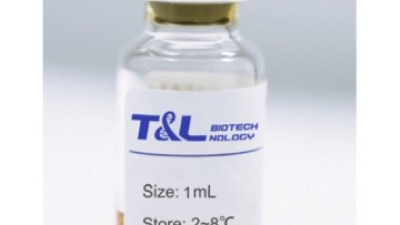
Picking the right Gmp-Grade Reagents is super important for labs working on cell and Gene Therapy - which, by the way, is a fast-moving field expected to hit over over $47 billion by 2026, according to recent industry chatter. These high-quality reagents are basically the backbone of developing effective treatments—making sure everything's reliable and safe for clinical use.
T&L Biotechnology Co., Ltd. is really dedicated to developing upstream Gmp-Grade Raw Materials and reagents specifically for CGT. They’re all about giving their customers complete solutions, so not only do they support the scientific community with what’s needed, but they also stick to the strict regulations that are crucial in this tightly controlled industry. Honestly, understanding the ins and outs of choosing the right GMP-grade reagents can really make or break your R&D efforts, so labs need to be thoughtful about their choices.
Understanding GMP Standards and Their Importance in the Laboratory
You know, GMP — or Good Manufacturing Practice — standards are kinda a big deal in the lab world. They’re what make sure the reagents you use in research are up to scratch, reliable, and of good quality. I came across a report from the International Conference on Harmonisation (ICH), and it highlights how sticking to GMP guidelines can really cut down the chances of contamination and make your experiments more reproducible. Plus, labs that are compliant with these standards often see a 20-30% drop in product failures — pretty impressive, right? It just shows how much of a difference GMP can make in keeping things running smoothly.
When you’re picking out GMP-grade reagents, it’s super important to really get what role they play in the bigger picture of your research. Using reagents that meet these standards not only keeps you in line with regulations but also helps build trust in your data. For example, companies that use GMP-quality materials tend to sail through audits and inspections more easily, which definitely boosts their reputation in the science community.
**A few quick tips:**
1. Always double-check the supplier’s certification for GMP compliance — it’s a pretty easy way to save time and make sure your results are solid.
2. Keep an eye on how you store your reagents. Bad storage conditions can mess things up, no matter how GMP-compliant they are.
3. It’s also a good idea to set up a reliable system to track reagent usage and expiration dates. That way, you can keep your lab procedures airtight and avoid any avoidable hiccups.

Identifying Your Laboratory's Specific Reagent Requirements
When you're choosing GMP-grade reagents for your lab, it's really important to figure out exactly what you need. This means taking a good look at your experiments and processes to see what kinds of reagents will work best. I came across a report from MarketsandMarkets that says the market for GMP-grade reagents is expected to hit around $3.2 billion by 2025. That just shows how much demand there is for top-quality reagents across different industries. Knowing what you need helps you pick reagents that not only meet all the regulatory standards but also support your research goals.
Here's a tip: spend some time analyzing your experiments to categorize your reagents—think buffers, solvents, biological materials—so you’re sure you're getting the right ones for your work. And don’t forget to work closely with your quality assurance team. They can help you stay in line with GMP guidelines while still hitting your research targets.
Another thing to keep in mind is where you source your reagents from. The purity, quality, and consistency between batches are super important if you want your results to be reliable. There was a study in the Journal of Pharmaceutical Sciences pointing out that if reagent quality isn’t consistent, it can lead to mistakes that throw off your data entirely.
A good practice? Regularly check out your suppliers, their credentials, and certifications to make sure they’re following GMP standards. Doing this not only boosts the quality of your work but also helps you build trust in the results you publish.
Evaluating Supplier Credentials for GMP-Grade Reagents
When you're picking GMP-grade reagents for your lab, it's pretty important to check out who you're buying from. A big part of making sure you're getting quality stuff and staying compliant is reviewing the supplier’s credentials. Start by looking into their certifications and whether they follow Good Manufacturing Practices. It's a good idea to verify if they've had regular audits by the relevant regulatory agencies and if they stick to the standards needed to produce top-notch reagents. A trustworthy supplier should be able to show you proof of their compliance—things like Quality Management System certificates or ISO certifications are a good start.
Also, take some time to get a sense of their reputation in the scientific community. Look for reviews, testimonials, or case studies that highlight their reliability and the quality of what they deliver. Chatting in industry forums or professional networks can also give you some quick insights about their performance and customer service. Don’t forget to ask them about their quality control process too—like how they test and validate their reagents to make sure everything’s consistent and reliable. Making a smart choice based on their background and credentials really helps ensure your lab results stay accurate and trustworthy.
Comparing Quality Assurance Practices Among Different Reagent Brands
When you're choosing GMP-grade reagents for your lab, it’s really important to think about the quality assurance practices behind different brands. Knowing what kind of processes they follow can make a big difference in how reliable your results turn out. I read somewhere that, according to the International Laboratory Accreditation Cooperation (ILAC), about 1 in 5 labs runs into quality issues—mostly because they didn’t pick reagents carefully enough. That just shows how crucial it is to source these reagents carefully.
Now, different brands do different things to ensure quality. For example, brands that follow ISO 9001 standards are committed to good process management and constantly trying to improve. On the other hand, those that have ISO 17025 accreditation go even further—they cover both management and technical skills, which helps guarantee that their testing and calibration are spot on.
The American Chemical Society also pointed out that labs using reagents that meet ISO standards see about 30% better reproducibility in their results compared to those using non-compliant ones. So, understanding these quality practices isn’t just a technical detail—it’s key to running an efficient, accurate lab and getting solid research results.
Assessing Cost vs. Quality Trade-offs in GMP-Grade Reagents
When you're choosing GMP-grade reagents for your lab, it’s pretty important to find a good balance between cost and quality. High-quality reagents are really critical if you want your results to be reliable — especially in things like pre-clinical testing or clinical applications. For example, when preparing and testing something like 68Ga-Pentixafor, you’ve gotta stick to strict quality control procedures to keep everything consistent and reproducible. That’s a clear sign that investing in top-tier materials is definitely worth it. Plus, there’s plenty of evidence showing that using high-quality raw materials can really cut down on the variability of therapeutic results, which is a big deal.
A quick tip — when you’re looking at GMP reagents, don’t forget to check out the long-term stability data. Say you’re working with lentiviral vectors for cell therapy — it’s super helpful to understand things like how stable the vector titer remains over time and how efficiently it transduces cells. Picking materials based on their stability profiles can save you a lot of headaches and money later on, especially during those critical clinical phases.
Also, the raw materials you choose play a huge role in making the switch to GMP manufacturing smoother. It’s a good idea to partner with suppliers who follow strict quality management practices — it really helps keep the development process on track. Industry insights suggest that aligning your raw material choice with regulatory standards not only boosts the overall quality but also increases the chances of your biopharmaceutical products being successful. Ultimately, taking a proactive approach to weigh costs versus quality can help you make smarter decisions, ensuring your lab gets everything it needs without any unnecessary surprises down the line.

Exploring Regulatory Compliance and Documentation for Lab Reagents
When you're choosing GMP-grade reagents for your lab, it's super important to keep regulatory compliance and proper documentation in mind. Labs really need to understand the different grades of reagents and chemicals out there because it can directly affect the accuracy of research results and whether you're meeting strict rules and standards. Making sure everything is well-documented isn’t just about traceability — it really helps demonstrate you're following all the local and international regs, which is key for maintaining trust in your lab's findings.
On top of that, managing your inventory properly is a game-changer. Having the right reagents ready when you need them can save you a lot of headaches down the line. Implementing good inventory practices — like routine audits and keeping clear records of reagent types, usage, and compliance checks — makes a big difference. When laboratories rely on solid management systems, they can operate more smoothly, boost efficiency, and stay on top of regulatory demands. That kind of setup really helps foster a space where innovation and productivity can thrive. T&L Biotechnology Co., Ltd. really gets this, especially with their GMP-grade raw materials made especially for cell and gene therapies. They’re all about quality and staying compliant, which is pretty awesome in the biotech world.
How to Choose the Right Gmp-Grade Reagents for Your Laboratory Needs - Exploring Regulatory Compliance and Documentation for Lab Reagents
| Reagent Type | Purity Level | Regulatory Compliance | Documentation Required | Storage Conditions |
| Cell Culture Reagents | 99% | ISO 13485 | Certificate of Analysis, Safety Data Sheet | 2-8°C |
| Analytical Reagents | 98% | cGMP | COA, Batch Record | Room Temperature |
| Buffers | 99.5% | FDA Approved | Certificate of Origin, Stability Data | -20°C |
| Stains and Dyes | ≥95% | GLP Compliant | Material Safety Data Sheet | Cool, Dry Place |
| Reagents for Molecular Biology | 99.9% | Good Laboratory Practices | Certificate of Compliance | -80°C |
Harnessing the Power of GMP Grade 50nm CD8+ Magnetic Beads for Enhanced Cellular Research and Therapeutics
The utilization of GMP Grade 50nm CD8+ Magnetic Beads marks a significant advancement in cellular research and therapeutic applications. These beads are meticulously engineered to facilitate the isolation and manipulation of CD8+ T cells, which are crucial for immune response and cancer therapies. By harnessing the magnetic properties of these beads, researchers can achieve greater efficiency in their experiments while ensuring high purity and viability of their target cells.
With the GMP-TL624 model now in stock, laboratories can readily incorporate these advanced magnetic beads into their protocols. The GMP certification guarantees that the beads meet stringent quality standards required for clinical applications, making them suitable for translational research. Enhanced precision in isolating CD8+ T cells can lead to more reliable data, improving the understanding of immune mechanisms and accelerating the development of innovative immunotherapies. This breakthrough product empowers scientists to conduct more sophisticated and insightful studies, ultimately paving the way for advancements in cellular therapies.
FAQS
: Good Manufacturing Practice (GMP) standards are essential in laboratories to ensure the quality and reliability of reagents, significantly reduce contamination risks, and enhance experiment reproducibility.
Facilities that comply with GMP standards often experience a 20-30% decrease in product failure rates, positively impacting laboratory efficiency.
Laboratories should always verify the certification of suppliers for GMP compliance to ensure the reliability of their results.
Proper documentation ensures traceability, supports compliance with local and international regulations, and maintains the credibility of laboratory results.
Effective inventory management helps ensure the availability of the right reagents, preventing operational disruptions and facilitating compliance with regulatory standards.
Laboratories should regularly review and assess reagent storage conditions and implement a robust tracking system for usage and expiration dates to maintain quality.
Companies using GMP-grade materials are more likely to pass audits and inspections, fostering a positive reputation in the scientific community.
Robust laboratory management systems streamline processes, maximize efficiency, and help laboratories align with regulatory expectations.
T&L Biotechnology Co., Ltd. offers GMP-grade raw materials specifically designed for cell and gene therapy, illustrating their dedication to quality and compliance in biotechnology.
Laboratories should adopt best practices for inventory management, including regular audits and maintaining clear records of reagent grades and compliance status.
Conclusion
Picking the right GMP-grade reagents is super important for labs working in cell and gene therapy. Knowing the ins and outs of GMP standards and why they matter helps ensure your lab keeps everything safe and top-notch during research and development. It's also crucial to find specific reagents that fit your lab’s unique needs—that's key to getting the best results.
When choosing suppliers, it's a good idea to check out their credentials and compare how they handle quality assurance. This way, you can make smarter choices about what to go with. And don’t forget, you’ve gotta weigh the costs against quality—that's essential to stick to your budget without sacrificing the integrity of your reagents. Plus, staying on top of regulatory requirements and making sure you have all the right documentation is really important for keeping everything transparent and trustworthy.
At T&L Biotechnology Co., Ltd., we’re all about delivering high-quality GMP-grade raw materials and reagents. We’re here to support your cell and gene therapy projects with reliable products and comprehensive solutions.