Picking the right Biotech Cdmo (that’s Contract Development and Manufacturing Organization, by the way) is a pretty big deal when it comes to forging ahead with any product development in the biopharma world. As companies scramble to come up with new therapies and get them out there, having a reliable and skilled CDMO can seriously make or break the whole process—impacting everything from how smoothly things run to the final quality of the product. These biotech CDMOs do a bunch of different stuff—like tinkering with formulations, refining processes, and running large-scale productions—basically, they tailor their services to suit what your specific biopharma needs are.
In a hustle-paced industry where getting products to market fast and staying within those strict regulatory lines is everything, it’s super important to really look into what a CDMO can do. You wanna find folks who not only have the technical chops but also truly care about quality and keeping the lines of communication open all the way through. Knowing exactly what your project needs and matching those requirements with a CDMO’s strengths can lead to better teamwork, more innovation, and ultimately, success—especially in such a competitive space like biotech.

Understanding the Role of Biotech CDMOs in Product Development
Biotech Contract Development and Manufacturing Organizations (CDMOs) play a vital role in the modern biopharmaceutical landscape, providing essential support in product development. These specialized organizations help navigate complex manufacturing processes, ensuring that products are developed efficiently and in compliance with regulatory standards. Understanding the distinct services offered by biotech CDMOs, from early-stage development to commercial-scale production, is crucial for companies looking to leverage these partnerships effectively.
When selecting a biotech CDMO, it’s essential to consider their expertise in your specific area of interest. Not all CDMOs offer the same range of services or possess the same level of experience with particular product types. Conducting thorough research and requesting case studies or references can help clarify their capabilities.
Tips:
- Choose a CDMO that has demonstrated success in similar projects. Look for organizations with a strong track record in your therapeutic area.
- Consider the CDMO's regulatory compliance and quality assurance protocols. Adherence to these standards is critical for the timely approval of your product.
Additionally, effective communication and collaboration with your chosen CDMO will foster a productive relationship.
Establish clear expectations from the outset and maintain open lines of communication throughout the development process. This approach helps to mitigate risks and align both parties towards achieving successful outcomes.
Tips:
- Schedule regular checkpoints to discuss progress and address any challenges. This agile method keeps the project on track and ensures all stakeholders remain aligned.
- Be prepared to share detailed project goals and timelines, as transparency in expectations facilitates smoother collaboration.
Key Factors to Consider When Selecting a Biotech CDMO
When selecting a biotech Contract Development and Manufacturing Organization (CDMO), there are several key factors to consider that can significantly influence the success of your product development. One of the primary considerations is the CDMO's expertise and experience in your specific area of biotechnology. It's essential to evaluate their track record with similar projects, including understanding their ability to handle complex biologics processes, such as cell line development, upstream and Downstream Processing, and formulation. A CDMO with a proven history in your product type can provide invaluable insights and reduce the risk of developmental setbacks.
Another important factor is the quality assurance and regulatory compliance standards upheld by the CDMO. A strong commitment to quality control and a comprehensive understanding of regulatory requirements are crucial, as they directly impact your product's ability to reach the market. Inquiring about the CDMO's certifications, inspection history, and experience with regulatory agencies can help gauge their reliability. Additionally, consider their operational capacity and scalability, ensuring that they can meet your demands not just for current projects but also as your product progresses through various development stages and potentially scales up for commercial production.
Key Factors in Choosing a Biotech CDMO
Evaluating the Experience and Expertise of Potential CDMOs
When selecting a Contract Development and Manufacturing Organization (CDMO) for biotech product development, evaluating the experience and expertise of potential partners is crucial. Start by examining the CDMO's track record in the specific sector relevant to your product. Look for a history of successful projects, particularly those that closely align with your technology or therapeutic area. Engaging with a CDMO that has demonstrated expertise in your domain can significantly influence the efficiency and effectiveness of your development process.
Additionally, assess the qualifications and backgrounds of the key personnel within the CDMO. Their educational qualifications and professional experiences can provide insight into how they approach challenges related to product development. Consider asking for case studies or references that reflect their problem-solving skills and innovative approaches. A well-rounded team with a mix of scientific knowledge and practical experience will be better equipped to navigate the complexities of biotech projects, ensuring that your product meets both regulatory standards and market needs.
Assessing Compliance and Regulatory Standards of CDMO Partners
When selecting a Contract Development and Manufacturing Organization (CDMO) for biotechnology projects, understanding their compliance and regulatory standards is crucial. A reputable CDMO should adhere strictly to Good Manufacturing Practices (GMP) set forth by regulatory bodies like the FDA or EMA, ensuring that their processes and facilities meet stringent quality standards. Prospective partners should be prepared to provide documentation and evidence of their compliance history, including successful audits and certifications. This transparency helps build trust and demonstrates the CDMO's commitment to maintaining quality assurance throughout the product development lifecycle.
Moreover, assessing the CDMO's familiarity with the specific regulations relevant to the therapeutic area of your project is essential. Different products, such as biologics, biosimilars, or gene therapies, come with distinct regulatory requirements. Companies should verify whether the CDMO has experience navigating these complexities and can provide guidance on the necessary regulatory submissions. Engaging in discussions about past projects or case studies can yield insights into how a CDMO managed compliance challenges, while also indicating their capability to handle the unique demands of your product's development. Ultimately, a thorough evaluation of a CDMO's compliance and regulatory proficiency can significantly influence the success of your biotech project.
Exploring the Range of Services Offered by Biotech CDMOs
When selecting a suitable biotech Contract Development and Manufacturing Organization (CDMO), understanding the variety of services they offer is crucial for successful product development. Biotech CDMOs typically provide a comprehensive range of services, including process development, scale-up manufacturing, and quality assurance. These services help streamline the transition from research and development to commercial production, ensuring that your product meets the necessary regulatory standards while maintaining quality and efficiency throughout the process.
Moreover, many CDMOs specialize in specific areas such as biologics, gene therapies, or monoclonal antibodies, which can greatly influence the choice based on the unique requirements of your project. Additionally, the availability of technical expertise and support, such as analytical testing and formulation development, can significantly impact the overall success of your product.
Choosing a CDMO with an integrated service model can enhance collaboration and communication, ultimately leading to more effective problem-solving and innovation during the development lifecycle. Thus, a thorough assessment of the services provided by potential CDMOs is essential in aligning their capabilities with your project goals and timelines.
Analyzing Costs and Budget Considerations in CDMO Selection
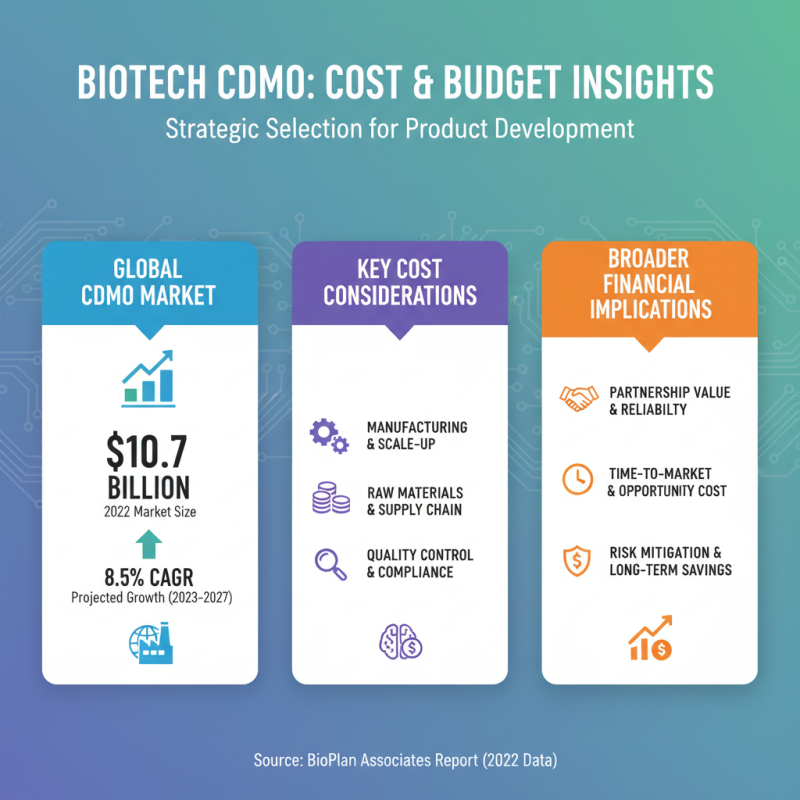
Selecting the right Contract Development and Manufacturing Organization (CDMO) for biotech product development is crucial, particularly when it comes to understanding costs and budget considerations. A recent report from BioPlan Associates indicates that the global CDMO market reached approximately $10.7 billion in 2022 and is projected to grow at a compound annual growth rate (CAGR) of around 8.5% over the next five years. As biotech companies are increasingly outsourcing their manufacturing needs, it becomes vital to analyze not just the basic costs, but also the broader financial implications of choosing a suitable CDMO.
When evaluating potential CDMOs, it is essential to consider both upfront costs and long-term expenses. The range of costs for services can vary dramatically; for instance, analytical development can average between $5,000 to $50,000 depending on the complexity of the product and specific requirements. Additionally, a comprehensive review of contracted services, including raw materials, labor, and overhead, is necessary to ensure the total expenditure aligns with the company's financial capabilities and projected milestones. According to a report by Grand View Research, up to 40% of the costs related to biotech manufacturing can arise from compliance and regulatory needs, emphasizing the importance of budgeting for these essential but often overlooked components during the selection process.
Furthermore, calculating the total cost of ownership (TCO) can provide additional insights into cost efficiency. This involves not only the direct fees but also indirect costs such as delays, inefficiencies, and potential additional sourcing needed due to vendor shortcomings. A key strategy is to create a flexible budget that accommodates unforeseen expenditures, which can typically add an extra 10%-20% to the original budget estimate. By taking a detailed and informed approach to budget considerations, biotech firms can ensure they select a CDMO that meets their financial and operational needs while supporting their product development objectives effectively.
Importance of Communication and Collaboration with CDMOs
Effective communication and collaboration are critical when selecting a Contract Development and Manufacturing Organization (CDMO) for biopharmaceutical product development. According to a recent industry report by Biopharma Dive, nearly 70% of biopharmaceutical companies identify communication as a key factor influencing their success with CDMOs. A transparent and open line of communication helps ensure that all parties are aligned on project goals, timelines, and regulatory requirements. This alignment can significantly reduce time to market by streamlining processes and minimizing misunderstandings that can lead to costly delays.
Moreover, collaboration goes beyond mere communication; it involves a strategic partnership where both the biopharma company and the CDMO work together throughout the entire development lifecycle. This partnership often includes joint problem-solving and sharing of insights that can enhance product formulation and manufacturing processes. A study by Deloitte indicates that companies demonstrating strong collaborative relationships with their CDMOs experience a 30% increase in operational efficiency compared to those with weaker ties. Such synergy not only accelerates development but also fosters innovation, aligning every aspect of the project from research to the final product delivery, ultimately benefiting the end-user.
How to Choose the Right Biotech CDMO for Your Product Development Needs
| Criteria | Importance Level | Comments |
| Experience in Relevant Field | High | Track record of successful projects in your specific area. |
| Communication Skills | Critical | Ensures alignment of goals and timely updates throughout the process. |
| Regulatory Compliance | High | Knowledge of local and international regulatory requirements is essential. |
| Technology and Capabilities | High | Advanced technologies can facilitate better product outcomes. |
| Cost Structure | Medium | Evaluate if the pricing aligns with your budget and expected ROI. |
| Cultural Fit | Medium | Similar values and work ethics enhance collaboration. |
| Post-Project Support | High | Availability of ongoing support after project completion is crucial. |
FAQS
: It's essential to evaluate the CDMO's track record in your specific area of biotechnology, including their ability to handle complex biologics processes such as cell line development, upstream and downstream processing, and formulation.
A strong commitment to quality control and a comprehensive understanding of regulatory requirements are crucial for ensuring your product can reach the market effectively.
Inquire about the CDMO's certifications, inspection history, and experience with regulatory agencies to gauge their reliability and commitment to compliance.
It's important to ensure that the CDMO can meet your current project demands and is scalable for future commercial production as your product progresses through development stages.
Both upfront costs and long-term expenses should be considered, as service costs can vary significantly based on product complexity and specific project requirements.
Reports indicate that up to 40% of biotechnology manufacturing costs can arise from compliance and regulatory needs, highlighting their importance in budget considerations.
TCO includes direct fees as well as indirect costs such as delays, inefficiencies, and potential additional sourcing needed due to vendor shortcomings, providing insights into cost efficiency.
Create a flexible budget that accommodates unforeseen expenditures, typically adding an extra 10%-20% to your original budget estimate to ensure comprehensive financial planning.
Costs for analytical development can average between $5,000 to $50,000, depending on the complexity of the product and specific requirements.
A thorough review of contracted services, including raw materials, labor, and overhead, ensures the total expenditure aligns with your company's financial capabilities and projected milestones.
Conclusion
Choosing the right Biotech CDMO (Contract Development and Manufacturing Organization) is crucial for successful product development. Biotech CDMOs play a vital role in the lifecycle of biopharmaceutical products, providing essential services that range from early-stage development to commercial manufacturing. When selecting a CDMO, companies should consider key factors such as the CDMO's experience, expertise, and compliance with regulatory standards, as these elements significantly impact the quality and timeliness of product delivery.
Moreover, it's important to explore the range of services offered by potential CDMOs and evaluate the associated costs to ensure alignment with budgetary constraints. Effective communication and collaboration with the chosen CDMO can also enhance the development process, facilitating smoother interactions and fostering innovation. By meticulously assessing these factors, companies can make informed decisions that will support the successful advancement of their biotech products.