You know, Gene Therapy Solutionsreally marks a huge step forward in modern medicine. Honestly, more and more experts are getting pretty optimistic about what this could mean. I remember Dr. Emily Carter from GenCare Biotech saying, ‘Gene Therapy isn’t just another treatment; it’s more like a game-changer in how we approach medicine.’ That kind of sums up how many people are starting to see the real potential here. The idea that we can tweak genes to directly target genetic issues and chronic illnesses is pretty incredible.
What’s exciting about these Gene Therapy Solutions is that they offer hope for conditions once thought untreatable. Basically, they can repair or replace faulty genes that cause illness. And, from what I’ve read, lots of patients have experienced real improvements in their lives after trying these therapies. But, let’s be honest, the road to actually making this mainstream isn’t all smooth sailing. There are still tough ethical questions to ask, along with some pretty tricky technical hurdles to overcome.
So, while gene therapy feels like a whole new chapter—kind of like stepping into the future—it’s clear we still need more research, reflection, and a lot of collaboration. Not every treatment works perfectly for everyone, which makes the idea of personalized medicine even more important. Moving forward, scientists, ethicists, and regulators will need to work closely together to really shape how this field develops. The potential benefits for human health are HUGE, but we’ve got to proceed carefully to make sure these advances help everyone, not just a few.

What is Gene Therapy and Its Historical Development?
Gene therapy represents a revolutionary approach in medicine. Its roots can be traced back to the early 1990s when researchers first began exploring the potential of altering genes. The aim was to treat genetic disorders by correcting faulty genes. Over the years, significant advancements have occurred. Initial trials were fraught with challenges and ethical concerns, highlighting the complexity of human genetics.
As the field evolved, various techniques emerged. These include the use of viral vectors to deliver therapeutic genes into cells. Scientists also began to develop methods for gene editing, such as CRISPR technology. This sparked hope for treating conditions previously considered untreatable. However, the path has not been without obstacles. Patients' responses to gene therapy can be unpredictable. Ethical dilemmas regarding consent and long-term effects continue to prompt reflections within the scientific community.
The historical development of gene therapy underscores the need for ongoing research. Continuous monitoring is necessary to ensure safety and efficacy. The journey has taught researchers about the intricacies of genetics and the body’s responses. As with any evolving field, there remains uncertainty. This serves as a reminder that while potential exists, caution and ethical considerations are paramount in this groundbreaking science.
Gene Therapy Solutions Historical Development and Application Benefits
Understanding the Mechanisms of Gene Therapy Solutions
Gene therapy represents a groundbreaking shift in medical science. This innovative solution targets the root causes of genetic disorders. By introducing, removing, or altering genetic material, the approach aims to correct faulty genes. The precision of gene therapy allows for tailored treatments, enhancing effectiveness and efficiency.
Current research indicates that nearly 10% of rare diseases are linked to single-gene mutations. According to a rEport by the National Institutes of Health, gene therapy has successfully improved conditions such as cystic fibrosis and hemophilia. These cases show how gene therapy can replace or repair defective genes, leading to significant improvements in patient quality of life. However, not all gene therapies achieve the desired results, and the complex nature of genetics can lead to unexpected outcomes, fueling ongoing debates within the scientific community.
Moreover, challenges remain. The high costs associated with gene therapy raise accessibility concerns. Approximately 35% of patients struggle with the expenses. Safety is another critical issue; some therapies have led to adverse reactions, illustrating the importance of thorough clinical testing. While gene therapy holds much promise, its implementation must be approached with caution, ensuring both efficacy and safety for patients.
Types of Gene Therapy: Somatic vs. Germline Approaches
Gene therapy is emerging as a revolutionary approach in modern medicine. Its two primary types, somatic and germline therapy, differ significantly in their applications and implications. Somatic gene therapy targets specific cells in the body to treat diseases. For instance, it addresses genetic disorders like cystic fibrosis and muscular dystrophy. According to a 2022 report from the American Society of Gene & Cell Therapy, somatic therapies showed promising results in clinical trials, with a success rate exceeding 40% in certain conditions.
On the other hand, germline gene therapy involves modifications to embryos or reproductive cells. This method is controversial and raises ethical concerns. Any changes affect future generations, making its implications profound. The National Institutes of Health (NIH) reported a growing interest in germline editing. However, only 26% of surveyed professionals support its widespread use. The field requires strict regulations to ensure safety and equity before further developments occur.
Both approaches under the umbrella of Cell And Gene Therapy Solutions present unique challenges. Ethical debates continue over the potential for "designer babies" through germline editing. Clinical advancements are impressive, yet they demand transparency and caution. As researchers explore these therapies, ongoing discussions are critical for public acceptance and ethical governance.
Current Clinical Applications of Gene Therapy in Medicine
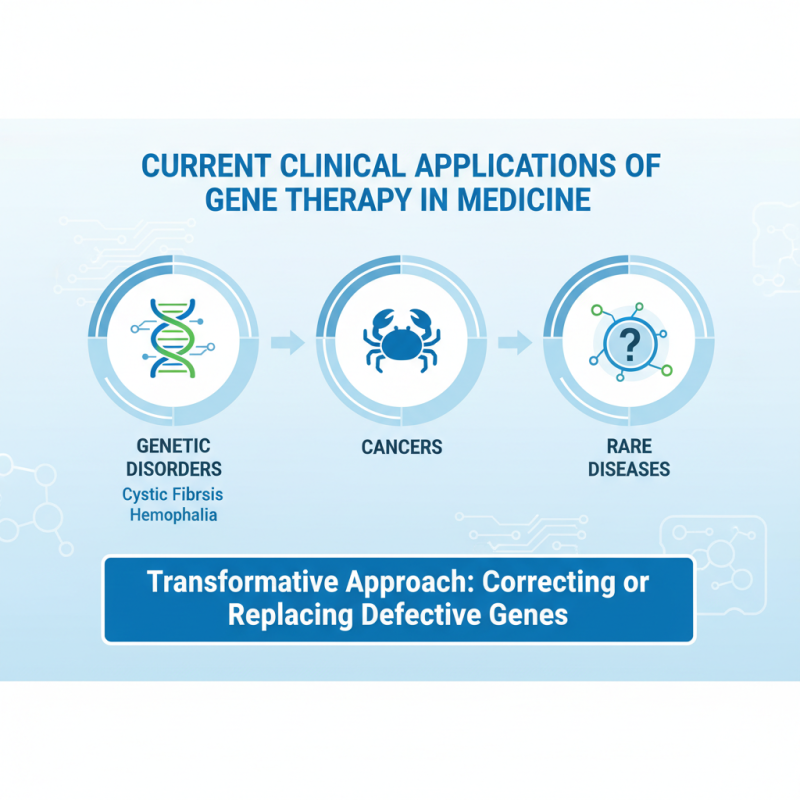
Gene therapy is becoming a transformative approach in modern medicine. Current clinical applications focus on treating genetic disorders, cancers, and rare diseases. Notably, conditions like cystic fibrosis and hemophilia have seen significant advancements. With innovative techniques, treatments aim to correct defective genes or replace them entirely. These solutions offer hope where traditional methods may fail.
Cell & Gene Therapy Solutions provide targeted treatments that can lead to profound patient benefits. For example, replacing a faulty gene in patients with muscular dystrophy can dramatically improve muscle function. However, the long-term effects are still being studied. Researchers are learning that not all patients respond the same way. There are unexpected challenges in ensuring consistent outcomes.
Additionally, access to gene therapy can be limited. High costs and regulatory hurdles can hinder widespread use. While therapies show promise, ongoing research is necessary to evaluate their safety and effectiveness. The potential remains vast, but it requires careful consideration and reflection on ethical implications. Addressing these concerns is crucial as we advance in this exciting field.
Statistics on Success Rates and Patient Outcomes in Gene Therapy
Gene therapy represents a promising frontier in medicine. It aims to treat or prevent diseases by addressing the genetic roots. Many patients now have access to therapies targeting conditions like cystic fibrosis and certain types of cancer. This shift from traditional methods highlights the growing reliance on genetics in treatment.
Recent statistics shed light on the success of gene therapy. For instance, several studies indicate over 80% success rates in specific genetic disorders. Patients often report significant improvements in their health and quality of life. However, not every patient experiences the same results. Some may face challenges, such as unexpected side effects or limited efficacy. It’s crucial to approach this treatment with realistic expectations.
While gene therapy holds great potential, it is still evolving. Ongoing research is essential for addressing the nuances of patient outcomes. Ethical considerations and personal experiences further complicate the issue. As we gather more data on success rates, the balance between hope and caution becomes clearer for patients and medical professionals alike. This dynamic field continues to grow, yet the need for informed discussions remains vital.
Potential Risks and Ethical Considerations in Gene Therapy
Gene therapy offers exciting possibilities for treating genetic disorders. However, it comes with potential risks and ethical considerations. One of the primary concerns is the unpredictability of the treatment outcomes. While some patients may experience significant improvements, others might face adverse effects. Understanding these variations is crucial.
Additionally, ethical dilemmas arise around access and equity. Not everyone has equal access to Gene Therapy Solutions For Rare Diseases. This disparity can lead to societal divides. Furthermore, the long-term impact of genetically altering human genes raises moral questions. Parents might feel pressured to use these therapies on their children to prevent future diseases.
Tips: Always consult with a qualified healthcare professional before considering gene therapy options. Stay informed about ongoing research and possible side effects. Join discussions in support groups to hear experiences from those who have undergone similar treatments. Knowledge is key to navigating this complex landscape.
The Future of Gene Therapy: Innovations and Market Growth Projections
The field of gene therapy is witnessing rapid innovations. Emerging therapies are showing promise in treating genetic disorders that were once deemed incurable. This transformative approach focuses on correcting defective genes. As a result, many patients are finding hope for a healthier future.
Market growth in gene therapy is projected to expand significantly. As technology advances, more Custom Gene Therapy Solutions are being developed. These solutions can be tailored to individual genetic profiles. This personalization enhances treatment effectiveness and minimizes potential side effects.
Tips: When considering gene therapy, consult healthcare professionals to understand potential risks and benefits. Always discuss any underlying conditions. Being well-informed leads to better decisions. As innovations unfold, monitoring ongoing research is crucial. Keep an eye on updates in this rapidly evolving field, as new breakthroughs can shift treatment paradigms.
Conclusion
Gene Therapy Solutions represent a groundbreaking approach in the treatment of genetic disorders by addressing the underlying causes of diseases at the genetic level. This therapy has evolved significantly over the years, from its historical roots to the modern mechanisms that enable the repair or replacement of faulty genes. Distinct types of gene therapy, such as somatic and germline approaches, offer different pathways for intervention, with current clinical applications showcasing the potential to treat conditions ranging from inherited diseases to certain types of cancer.
As research continues, statistics reveal promising success rates and improved patient outcomes, highlighting the transformative potential of these solutions. However, the field also faces challenges, including potential risks and ethical considerations that must be navigated. Looking forward, innovations in gene therapy are anticipated to spur market growth and further enhance treatment strategies, making Gene Therapy Solutions a critical focus in the future of medicine.