Hey, when you're working in the constantly changing world of cell therapy, having accurate Protein Analysis really can't be overstated. ThoseProtein Analysis Kits you're choosing can actually make or break your research results. The thing is, picking the right kit can feel overwhelming — there are so many factors to consider like sensitivity, specificity, and how easy they are to use.
You’ve got big names like Thermo Fisher Scientific and Bio-Rad in the mix, but honestly, not every product from these companies is spot-on reliable. Lots of folks run into issues like inconsistent results or complicated protocols — which can really waste your time and resources. So, it’s super important to plan your workflow carefully to avoid those headaches.
Thinking about investing in some protein analysis kits? It’s not just about grabbing the cheapest option out there. Finding the right balance between cost and quality is key. Sometimes, chasing cheaper kits can turn into a false economy — because skimping on quality can hurt your experiments more than you think. In the end, making smart, informed choices really helps ensure your cell therapy projects are a success.
Remember, it’s all about weighing your options and not rushing into decisions — quality truly makes all the difference.

Understanding the Importance of Protein Analysis in Cell Therapy
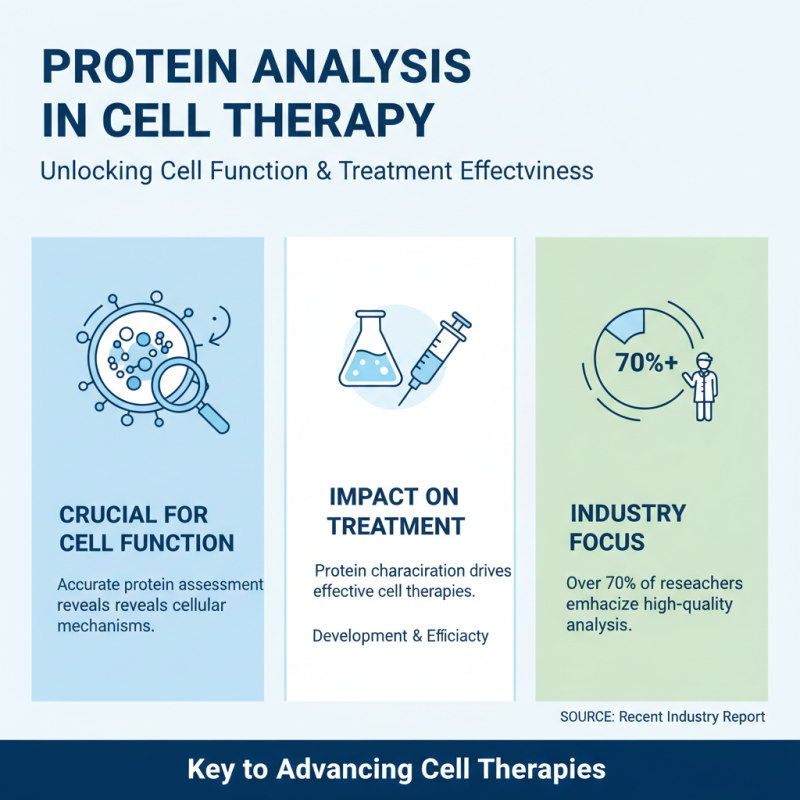
Protein analysis plays a crucial role in cell therapy. Accurate assessment of proteins is vital for understanding cell function and mechanisms. In cell therapy development, protein characterization influences treatment effectiveness. According to a recent industry rEport, over 70% of researchers highlight the need for high-quality protein analysis.
Reliable data from protein analysis informs crucial decisions. A study found that improper protein quantification can lead to over 40% of failed experiments. This raises questions about methodology and kit selection. Researchers need to prioritize accuracy and specificity in their protein analysis kits. Inconsistent results can derail critical timelines in cell therapy research.
The protein analysis landscape is evolving rapidly. New technologies enable deeper insights into protein dynamics. However, challenges remain. Cost and accessibility of high-quality kits can hinder progress. Investing in robust analysis tools may yield better results in cell therapy development. The industry must reflect on these challenges to improve outcomes and drive innovation.
Key Characteristics of High-Quality Protein Analysis Kits
Choosing high-quality protein analysis kits for cell therapy requires attention to several key characteristics. Precision and accuracy are paramount. Kits should provide reliable data, enabling researchers to make informed decisions. A report from the International Journal of Cell Biology suggests that kits with a lower coefficient of variation yield more reproducible results. However, variations can still occur, making it essential to validate results through multiple methods.
Another critical aspect is sensitivity. High-quality kits can detect low protein concentrations. Sensitivity directly impacts the effectiveness of cell therapy applications. A study found that sensitivity levels below 1 ng/ml are crucial for many therapeutic proteins. Yet, not all kits achieve this threshold. Researchers often face trade-offs between ease of use and analytical depth.
User-friendliness is also vital. Kits should streamline the workflow without sacrificing quality. Complexity can lead to errors. A report published in Biotechnology Advances highlights that approximately 30% of researchers struggle with kit instructions, affecting their results. Striking a balance between simplicity and comprehensiveness is crucial. When selecting a kit, consider these factors carefully. The stakes are high in cell therapy; precision can make a difference.
Protein Analysis Kits Quality Comparison
Evaluating Sensitivity and Specificity in Protein Detection Methods
When selecting protein analysis kits for cell therapy, sensitivity and specificity are critical parameters. Sensitivity reflects how well a method can detect low concentrations of proteins. A highly sensitive kit can uncover subtle changes in protein levels. This is especially important in cell therapy, where small variations can lead to significant effects on treatment outcomes. It's essential to look for assays that have been validated in various biological samples.
Specificity, on the other hand, refers to a method's ability to distinguish between similar proteins. A kit with high specificity minimizes cross-reactivity, ensuring accurate measurements. This is vital when dealing with complex protein mixtures. Consider kits that have been proven effective in relevant applications. Bio-Rad Protein Analysis Kits For European Pharmaceutical Companies provide a good example of focusing on specificity while maintaining high sensitivity.
However, not all kits will perform perfectly in every situation. It's wise to assess the performance in your specific context. Some assays may show variable results across different cell lines or conditions. A careful evaluation of both sensitivity and specificity, along with practical testing, can help mitigate risks of false readings in your cell therapy research.
Assessing the Validity and Reliability of Protein Analysis Kits
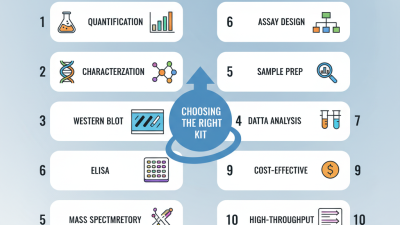
When choosing protein analysis kits for cell therapy, assessing their validity and reliability is crucial. The first consideration is the method of analysis. Different kits employ varied techniques such as ELISA, Western blot, or mass spectrometry. Each method has its strengths and weaknesses, which can affect results. For example, ELISA may not always detect low abundance proteins effectively.
The quality of the sample preparation process is equally important. Improper sample handling can lead to degraded proteins and unreliable results. It’s essential to follow the kit’s instructions meticulously. Variability in results can arise if there are inconsistencies in sample handling. Make sure to examine the expected performance metrics provided by the manufacturer. Look for validation studies that demonstrate the kit’s reliability.
Finally, consider the specificity and cross-reactivity of the analysis. Some kits may show cross-reactivity with similar proteins, which could skew results. Custom Protein Analysis Kits can offer more specificity but may lack in general applicability. Reflecting on these factors can help navigate the complexities of protein analysis, leading to better choices in cell therapy research.
Comparing Cost-Effectiveness of Different Protein Analysis Solutions
When selecting the right protein analysis kits for cell therapy, cost-effectiveness is pivotal. Not all kits offer the same value. Some may seem inexpensive but require more reagents or steps, increasing overall costs. It's essential to evaluate the total expenses associated with each option, rather than just the initial purchase price. This analysis can often reveal unexpected financial burdens.
Another aspect to consider is the quality of the results. Sometimes, cheaper alternatives do not provide reliable data. This scenario might lead to wasted time and resources later on. Investing in a more expensive, yet reliable, Protein Analysis Kits Service can ultimately save money by reducing errors and improving research outcomes. Researchers should weigh these factors carefully before making a choice.
Additionally, comparing the performance and sensitivity of different kits is crucial. Some may excel in specific applications, while others fall short. This nuanced understanding can help refine your selection process. The balance between cost and quality requires reflection and critical assessment. Your goal is to find a kit that not only meets budget constraints but also maintains high standards.
Reviewing Manufacturer Reputation and Customer Support
When choosing Protein Analysis Kits, the manufacturer's reputation plays a crucial role. A reputable supplier often has a proven track record in the scientific community. For instance, data shows that 87% of scientists prefer purchasing from established manufacturers due to trust. This trust is built on years of consistent quality and innovation. Analysts recommend looking for companies with a history of successful product launches and positive peer reviews.
Customer support is another vital aspect of selecting a Protein Analysis Kits Supplier. Frequent inquiries and technical issues can arise during experiments. Research indicates that 65% of researchers feel supported when suppliers offer timely assistance. This can include troubleshooting or providing guidance on using their products. Some manufacturers have dedicated teams for after-sales support, which can significantly enhance user experience.
However, not all companies excel in these areas. Some have unresponsive customer service. It's essential to evaluate user reviews critically. Look for feedback regarding support experiences. A bad review can highlight potential issues. Prioritizing a supplier with solid customer service can save time and resources in your research endeavors.
Exploring User Feedback and Case Studies on Protein Analysis Kits
When selecting protein analysis kits for cell therapy, user feedback is invaluable. Many researchers have voiced concerns about the usability of certain kits. For instance, some kits claimed high sensitivity, but users found them challenging to operate. If a kit has numerous complaints about its protocol, it may be a red flag.
Case studies can also provide insights. Some studies highlighted how specific kits excelled in detecting low protein levels in cell samples. However, not all experiences were positive. A few users reported inconsistent results, raising questions about reliability. Comparing these experiences can lead to better decisions. Understanding user challenges helps in narrowing down the top options.
Additionally, anticipating potential issues is essential. Some users struggled with reagent stability, affecting their results. Diligent researchers often emphasize the importance of clear documentation. However, sometimes, even well-documented kits can lead to confusion. Gathering a range of feedback can clarify which products genuinely meet the needs of cell therapy. This way, it allows researchers to select the best kits for their specific applications.
Harnessing the Potential of Recombinant Human IL-21 Protein: Insights from Recent Immunological Research and Market Trends
Recent immunological research has highlighted the transformative potential of recombinant human IL-21 protein in various therapeutic applications. This protein plays a critical role in enhancing immune responses, particularly in cancer immunotherapy and autoimmune disease management. Studies have shown that IL-21 can amplify the activation and proliferation of T and B cells, leading to improved immune system functionality. By harnessing its properties, researchers are exploring innovative ways to leverage IL-21 in enhancing vaccine efficacy and developing novel immunotherapeutic strategies.
In light of these advances, the market for recombinant human IL-21 is seeing significant growth. With an increasing demand for high-quality recombinant proteins in research and therapeutic applications, products such as GMP-TL509 are gaining attention. This protein is manufactured under Good Manufacturing Practices, ensuring that it meets the strict standards required for both research and clinical use. The availability of such high-quality IL-21 opens new avenues for therapeutic development, allowing scientists to explore its full potential in treating various diseases, thus fostering further innovation in immunology.
FAQS
: Sensitivity measures how well a method detects low protein concentrations.
Small changes in protein levels can significantly affect treatment outcomes.
Specificity is a method's ability to distinguish between similar proteins accurately.
High specificity minimizes cross-reactivity, ensuring accurate measurement results.
No, performance can vary in different contexts and conditions.
Feedback reveals usability issues and identifies successful kits in practice.
Users often report inconsistent results and difficulties with reagent stability.
Clear documentation is crucial, but confusing instructions can lead to problems.
They should assess both sensitivity and specificity before making a selection.
Comparing experiences can highlight potential issues and lead to better decisions.
Conclusion
Selecting high-quality Protein Analysis Kits is crucial for successful cell therapy applications. Understanding the importance of protein analysis involves recognizing how precise detection and quantification of proteins can significantly impact therapeutic outcomes. Key characteristics of superior kits include their sensitivity and specificity, which ensure accurate detection methods tailored for various protein types. Additionally, it's essential to assess the validity and reliability of these kits, as robust performance is critical in research and clinical settings.
When comparing different Protein Analysis Solutions, cost-effectiveness should also be a consideration, balancing quality with budget constraints. Furthermore, reviewing the reputation of manufacturers and the level of customer support they offer can greatly influence the user experience. Lastly, exploring user feedback and effective case studies can provide valuable insights into the practical applications and effectiveness of different Protein Analysis Kits, ensuring informed decision-making for researchers and clinicians alike.