In the rapidly changing world of scientific research, lab equipment really plays a crucial role in making sure experiments are precise, accurate, and efficient. Did you know that, according to a report from Research and Markets, the global market for lab instruments is expected to hit around $55 billion by 2025? That just goes to show how vital top-notch tools are for driving innovation. Companies like T&L Biotechnology Co., Ltd. highlight this too—they're all about developing high-quality Gmp-Grade Raw Materials for cell and gene therapies (CGT). The truth is, the kind of equipment you choose and its quality can directly influence your research results and the progress in therapies. From meeting strict regulatory standards to making experiments more reproducible, lab equipment’s role in modern science can't be overstated. Getting how important it is really helps researchers push the boundaries of what's possible and find new ways to improve healthcare outcomes.
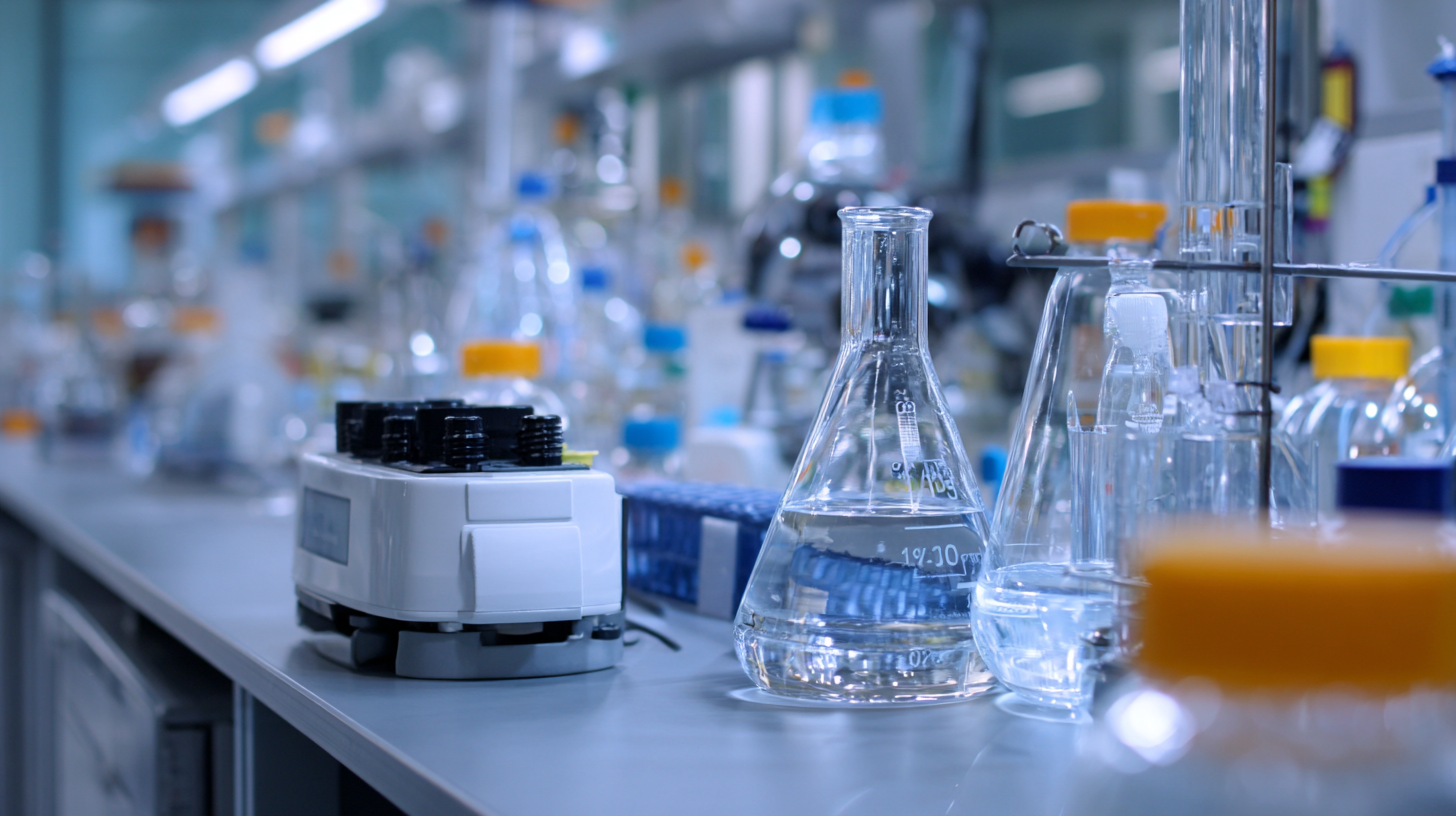
The Role of Precision Instruments in Experimentation
You know, precision instruments are pretty much the backbone of modern scientific research. They let scientists perform experiments with a level of accuracy and consistency that’s honestly hard to achieve otherwise. I came across this report from MarketsandMarkets that said the global lab equipment market could hit around $50 billion by 2025—no joke! It just goes to show how much these advanced tools are becoming essential across different fields. Things like spectrophotometers, chromatographs, and mass spectrometers—those high-tech devices—make it possible to analyze samples at super tiny scales, capturing even the smallest details in experiments.
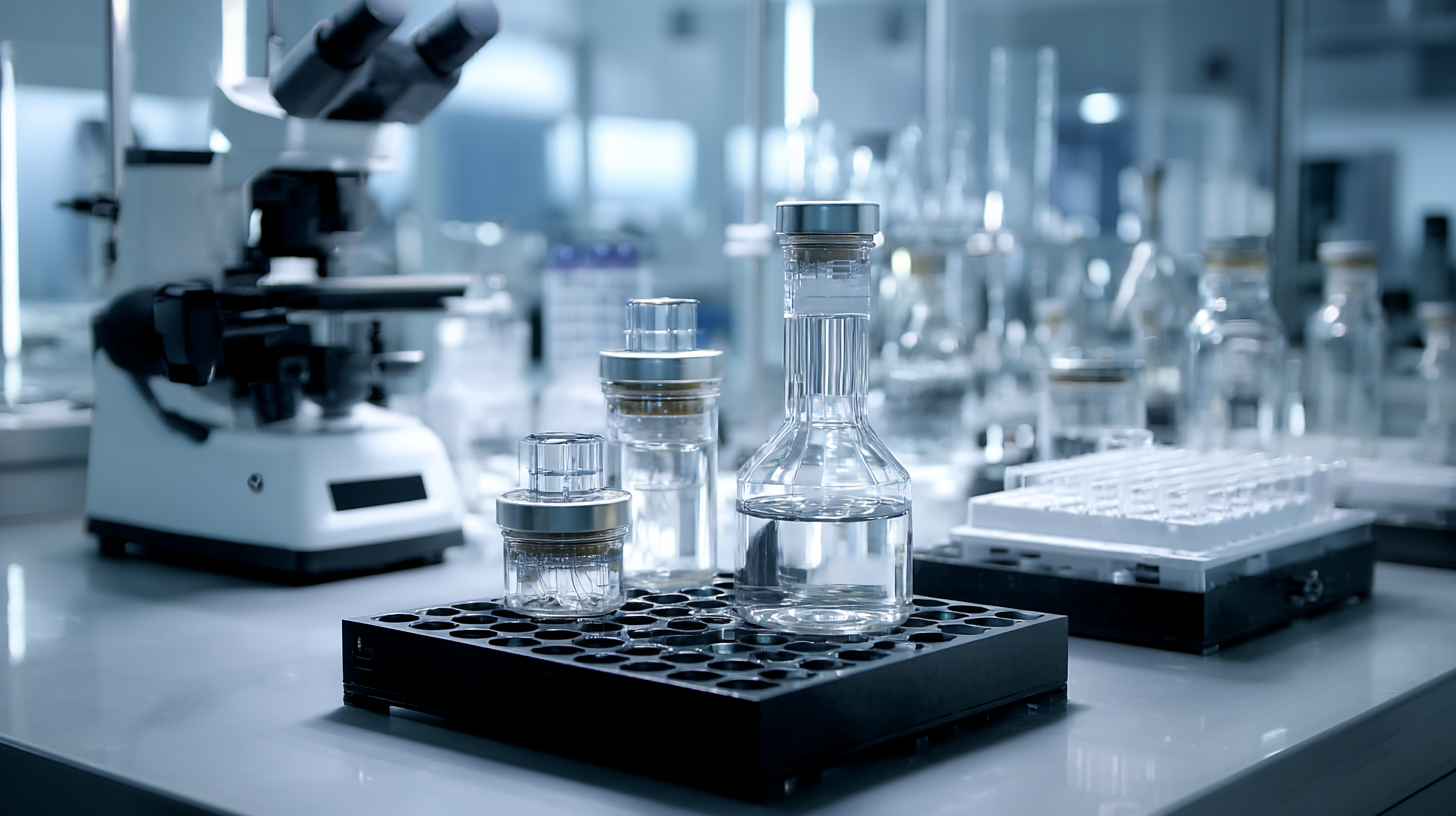 And here's an interesting bit: a study by the National Institutes of Health points out that even small measurement errors can really throw off results, sometimes leading to major deviations. For example, getting the sample concentrations right is crucial, especially in biochemical tests, because it affects all the steps that follow. Using top-notch lab equipment helps cut down on mistakes and makes results more reliable. As experiments get more complex, the need for precise, tough instruments only grows. Pretty clear they’ve become absolutely vital in pushing science forward, huh?
Essential Laboratory Equipment: Types and Their Functions
Laboratory Equipment is pretty much the backbone of modern scientific work. It’s what allows scientists to carry out experiments and analyze their results effectively. Some of thekey tools you’ll find in most labs include analytical balances, centrifuges, microscopes, and spectrophotometers — each one has its own unique job to do, making research more accurate and efficient. According to the National Science Foundation, precise measurement devices like analytical balances are absolutely crucial for reliable data. After all, even tiny errors can lead to big mistakes down the line.
Centrifuges are especially important in biology labs—they help scientists separate different parts of a sample based on how dense they are. It’s no wonder the global market for lab centrifuges is expected to hit around $3.9 billion by 2025—these guys are really in demand across fields like molecular biology and biochemistry.
Then there are microscopes, which are totally essential—they allow researchers to zoom in on cells and microbes, opening doors to medical breakthroughs and environmental discoveries. The market for microscopes is also growing steadily, at about 6.5% annually, showing how much scientists rely on high-res imaging.
And don’t forget spectrophotometers — these measure how much light a sample absorbs, which is super useful in chemicals research. They’re used across industries, from pharma to environmental testing, and their market is expected to grow to about $3 billion by 2027. These instruments aren’t just about understanding reactions; they’re also key for quality control in labs worldwide, helping companies meet safety and efficacy standards. All in all, these tools are vital for pushing scientific progress forward, and it’s clear that tech like this isn’t slowing down anytime soon.
Enhancing Accuracy: The Impact of Calibration on Results
In today’s scientific research, making sure your equipment is properly calibrated is more important than ever. It’s kind of like giving your instruments a quick tune-up so they can give you the most accurate readings. For example, when it comes to precision irrigation, adjusting for temperature effects on sensors can really make a difference—helping farmers water their crops more efficiently. It’s those tiny tweaks that can lead to big improvements in how reliable the moisture data actually is.
And then there’s air quality monitoring. That’s a perfect example of just how crucial accuracy really is. Researchers have found that using machine learning to fix data issues from cheaper PM2.5 sensors can seriously boost how well these devices perform, even under real-world conditions. This isn’t just about collecting better data—it’s about giving folks the tools to better understand and act on health risks from polluted air. Over here at T&L Biotechnology Co., Ltd., we’re really dedicated to refining our tools and techniques for cell and gene therapy research. We truly believe that solid calibration isn’t just a technical detail; it’s the foundation for trustworthy science and meaningful results.
Safety Considerations: Key Equipment for a Secure Lab Environment
In the world of modern scientific research, keeping the lab safe is really a top priority. Safety gear isn’t just a nice-to-have—it’s essential for protecting researchers from accidents or hazards that could happen around every corner. Did you know that, according to a report from the National Institute for Occupational Safety and Health (NIOSH), more than 20,000 lab-related injuries happen each year just in the U.S.? That number really hits home, showing just how important it is to have all the right safety equipment—think fume hoods, gloves, goggles, and proper waste disposal—to help keep everyone safe and sound.
On top of that, the kind of equipment you choose can make a real difference when it comes to safety. Take chemical storage cabinets, for example—they can prevent dangerous reactions or exposure to nasty toxic stuff, significantly lowering the risk of accidents. And, according to data from the European Chemical Agency, neglecting proper safety measures in the lab doesn’t just put people at risk; it can also blow up costs through fines and extra operational expenses, sometimes running into thousands of dollars per incident. So, investing in solid, reliable equipment isn’t just about ticking boxes—it’s about creating a safety-first mindset which, in turn, can boost research outcomes and spark innovation. After all, when safety’s taken seriously, everyone benefits.
Innovations in Lab Equipment: Future Trends in Scientific Research
You know, innovations in lab equipment are really shaking things up in the world of scientific research, especially in areas like biomedical research and biotech. It’s pretty amazing how AI is being integrated with these advanced tools — it’s like giving researchers a whole new way to solve problems and run experiments. For example, tools like PEPR DIADEM are using AI to speed up the discovery of sustainable materials, cutting down development times from around 20 years to just 4 to 10 years. That’s a huge leap! These kinds of advancements not only make better use of resources but also boost the efficiency of research, which means faster breakthroughs in therapies and treatments.
As agriculture and healthcare keep evolving, having high-tech lab equipment becomes more than just a luxury — it’s a necessity for doing high-throughput experiments and fine-tuning algorithms. Recent reports suggest that the global biotech market is going to see some serious growth, driven by new tech and the push toward precision medicine. It’s even estimated that the whole biomedical research market could hit around $540 billion by 2025! That just shows how vital evolving lab tech is for this kind of growth. Plus, companies like T&L Biotechnology are leading the charge — they’re focused on creating GMP-grade raw materials and reagents to support cell and gene therapies, which ultimately helps make biomedical solutions more efficient and effective.
Cost-Benefit Analysis: Investing in Quality Laboratory Tools for Success
Investing in good quality lab equipment really makes a big difference when it comes to scientific research. Honestly, a lot of errors—about 70%, according to the National Institutes of Health—can actually be tracked back to equipment that’s faulty or just not up to snuff. When you’re running experiments, picking reliable tools doesn’t just boost your precision; it can also save you money by avoiding the need to redo tests because of measurement errors. In the end, putting your money into solid equipment can save you both time and resources in the long run.
Thinking about the costs? It’s worth remembering that the initial expense for top-tier equipment often pays off over time through better efficiency and productivity. There’s this study from the Health Research Institute that found labs emphasizing high-quality gear tend to see about a 25% jump in their output annually compared to those sticking with cheaper options. That really shows how investing upfront in good tools can be a smart move down the line.
**Quick Tip:** Do your homework before buying any lab equipment. Look for stuff with a solid track record and support from reputable vendors—that way, you’re more likely to get a good bang for your buck.
**Another Tip:** Routine maintenance and calibration are key. Keeping your equipment in top shape not only makes it last longer but also keeps your experiments running smoothly and can end up saving you a ton of hassle (and money) later on.
FAQS
: Calibration ensures that laboratory instruments perform accurately, enhancing the reliability of experimental results and allowing researchers to make informed decisions based on accurate data.
Correcting temperature-induced variations in sensor readings through calibration significantly improves the reliability of moisture measurements, which is essential for efficient water usage in agriculture.
Calibration of air quality sensors can rectify data discrepancies from real-world conditions, which enhances data quality and helps researchers mitigate health risks linked to poor air quality.
AI integration in laboratory technologies has transformed problem-solving and experimentation, accelerating the discovery of sustainable materials and optimizing research efficiency.
The global biotechnology market is expected to expand significantly, with the value of the biomedical research market potentially reaching around $540 billion by 2025.
Nearly 70% of research errors can be attributed to inadequate or faulty equipment, which can lead to the need for redoing experiments and wasted resources.
Investing in superior laboratory equipment can enhance efficiency and productivity, resulting in a potential 25% increase in annual output compared to relying on lower-quality tools.
Regular maintenance and calibration can extend the lifespan of laboratory equipment, improve its functionality, and optimize research processes while saving costs in the long run.
Researchers should conduct thorough research on laboratory tools, looking for equipment with proven track records and reliable vendor support to ensure a smart investment.
High-quality laboratory tools not only enhance precision but also lead to significant savings in time and resources by reducing the need to redo experiments caused by faulty measurements.
Conclusion
In today’s scientific research, lab equipment really plays a huge role in making sure our results are spot-on and trustworthy. Honestly, having the right precision instruments is pretty much a must when you're running experiments. It’s also super helpful to get familiar with the different types of equipment out there — because, let’s be honest, it can seriously boost how smoothly your research goes. And don’t forget about calibration! It might sound technical, but keeping your tools properly calibrated directly affects how accurate your results will be, which in turn impacts the whole validity of your findings.
Safety's another biggie in any lab — gotta keep it a safe space. That’s why there are specific equipment designed just for maintaining a secure environment for everyone. Looking ahead, I think we’ll see even more exciting innovations in laboratory tools, pushing scientific progress forward. Companies like T&L Biotechnology really get how important it is to invest in top-notch lab gear. After all, that’s key when developing high-quality raw materials and reagents for cell and gene therapies, especially in the GMP-grade space. It’s all about setting up for success, right?