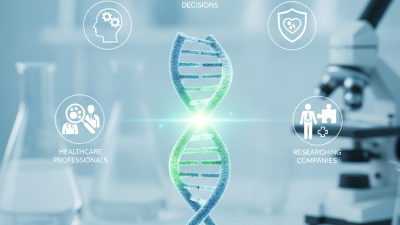
You know, Gene Therapy has really come a long way in recent years. Experts are saying that the global market could hit around $13 billion by 2026 — that's some serious growth! Dr. Jennifer Doudna, who's kinda a big deal in this space, once mentioned, "The true potential of gene therapy is in how it can totally change the game when it comes to treating genetic disorders." So, it’s pretty clear that this field is set to revolutionize how we deal with conditions that used to be pretty much untreatable.
Some of the exciting progress includes better ways to deliver these therapies and the cool new CRISPR tech. Companies like Spark Therapeutics and Bluebird Bio have already rolled out treatments targeting rare genetic diseases. For patients, especially those with limited options before, it’s a total game-changer — hope is definitely on the horizon. But, of course, it’s not all smooth sailing. These therapies tend to be super expensive, making it tough for a lot of people to access. That creates a bit of a gap in healthcare, which is pretty concerning.
And, honestly, we can’t forget about the ethical side of things. It’s a tricky balance — pushing the boundaries of science while making sure everyone gets fair access. Researchers are definitely aware of these issues and are working on them, but it’s a ongoing conversation. As the field keeps evolving, it’s super important for both patients and healthcare pros to stay in the know. It’s an exciting time, but we gotta keep our eyes open for the challenges ahead.

Overview of Gene Therapy: Definition and Historical Context
Gene therapy represents a revolutionary approach in modern medicine, aiming to treat genetic disorders at their source. This innovative technique allows for the modification of genes to prevent or cure diseases. Its origins trace back to the early 1990s when scientists first introduced therapeutic genes into human cells. This initial phase faced numerous challenges, including safety concerns and ethical dilemmas.
As science advanced, so did the methodologies used in gene therapy. Today, techniques like CRISPR and gene silencing have emerged, offering precise ways to address genetic mutations. Clinical trials are currently exploring various applications, from inherited disorders to certain cancers. Despite its promise, gene therapy is not without complications. Some patients experience adverse effects or incomplete treatment responses, raising questions about effectiveness and access.
Understanding gene therapy requires careful consideration of its implications. Historical context highlights both its potential and the ethical concerns that accompany it. Balancing the benefits with the risks is essential for future development. As we progress, ongoing dialogue among scientists, patients, and policymakers will pave the way for safer and more effective treatments.
Latest Advances in Gene Therapy for Patients
| Advance | Description | Targeted Disease | Clinical Status |
| CRISPR-based Gene Editing | Utilizes CRISPR technology for precise genome editing to treat genetic disorders. | Sickle Cell Disease | Phase 1/2 clinical trials underway |
| Adeno-associated Virus (AAV) Vectors | AAV vectors used to deliver therapeutic genes, showing promise in neuromuscular diseases. | Spinal Muscular Atrophy | Commercially available |
| Base Editing | Enables direct editing of single DNA base pairs to correct mutations. | Beta-thalassemia | In research; early-stage clinical trials |
| Gene Therapies for Rare Diseases | Targeted gene therapies developed for various rare genetic disorders, often with breakthrough designations. | Hemophilia | Approved for clinical use |
Recent Breakthroughs in Gene Editing Technologies
Recent advancements in gene editing technologies have transformed the landscape of treatment for genetic disorders. Techniques such as CRISPR and base editing allow precise modifications to DNA. These methods enable researchers to target specific mutations, correcting genetic errors that cause diseases. The ability to edit genes with high accuracy offers hope for previously untreatable conditions.
Patients are witnessing incredible changes due to Gene Therapy Treatments. For instance, certain genetic disorders can now be managed effectively with a single treatment. However, these breakthroughs come with ethical questions and potential risks. Not all edits yield positive outcomes. Some modifications can lead to unexpected consequences in the genome. It's essential to approach these innovations with caution.
Tips: Stay informed about gene editing developments by following reputable scientific journals. Discuss potential treatments with healthcare professionals. Understanding the science can empower patients to make better decisions regarding their health. Gene therapy treatments are still evolving, and ongoing research is crucial.
Latest Advances in Gene Therapy for Patients
This chart displays the yearly progress in gene therapy advancements, showcasing the number of clinical trials initiated over the past five years. The increase in trials highlights the rapid evolution of gene editing technologies and their growing application in treating various genetic disorders.
Targeted Gene Therapies for Genetic Disorders
Recent advancements in targeted gene therapies have opened new pathways for treating genetic disorders. These therapies are designed to precisely address the underlying causes of diseases at a molecular level. For instance, CRISPR technology has gained attention for its ability to edit genes with high accuracy. This approach can potentially correct mutations responsible for conditions like cystic fibrosis and sickle cell anemia.
However, challenges remain in the implementation of these therapies. The delivery mechanisms are still under scrutiny. Ensuring that the therapy reaches the right cells without affecting others is crucial. Some patients may experience unintended side effects. It's essential to continuously monitor long-term outcomes to evaluate safety and efficacy.
Moreover, accessibility issues persist. Not all patients have the same access to groundbreaking treatments. The high costs associated with advanced therapies can limit options for many individuals. As we navigate these complexities, it becomes clear that while targeted gene therapies hold promise, there is still much to reflect upon regarding their practicality and reach.
Advancements in Viral Vector Delivery Systems
Recent advancements in viral vector delivery systems are revolutionizing Gene Therapy Solutions. This innovative approach focuses on enhancing the efficiency and safety of delivering therapeutic genes to target cells. Researchers have made significant strides in optimizing viral vectors, which are engineered viruses designed to transport genetic material into patient cells. These vectors can effectively penetrate cell membranes, facilitating deeper tissue penetration and improved gene expression.
One promising development is the use of adeno-associated viruses (AAVs). They exhibit low immunogenicity, minimizing the risk of adverse immune responses. Additionally, their small size allows for precise targeting of specific cells. This specificity can lead to better treatment outcomes. However, it’s crucial to acknowledge some limitations. AAVs can only carry a limited amount of genetic material, which may restrict the complexity of certain gene therapies.
Another area of exploration includes using lentiviral vectors. These vectors have the potential to integrate into the host genome, providing a long-lasting therapeutic effect. Researchers are continually refining their design to enhance safety and effectiveness. Despite these advances, ongoing challenges remain. Understanding the long-term implications of gene insertion is essential for ensuring patient safety in gene therapy solutions. The evolving landscape of viral vector systems highlights the need for continuous research and ethical considerations in this promising field.
Innovations in Gene Therapy for Cancer Treatment
Innovations in gene therapy are transforming cancer treatment. Recent developments focus on using genetic modifications to target cancer cells more precisely. These advancements aim to enhance treatment efficacy while minimizing side effects. Technologies such as CRISPR and viral vectors allow researchers to edit genes directly within the patient’s body.
One notable approach involves harnessing the immune system. By equipping immune cells with new genes, they can better recognize and attack tumors. This method shows promise in various cancer types, including lymphoma and melanoma. Although early results are encouraging, challenges persist. Patients may experience varying responses, and long-term effects remain uncertain. Cell And Gene Therapy Solutions continue to explore how to optimize these treatments.
Collaboration among researchers is crucial for overcoming obstacles in gene therapy. Ongoing studies strive to address safety concerns and expand treatment options. Many researchers emphasize the need for personalized approaches. Every patient’s cancer is unique, revealing the complexity of treatment. Progress is being made, but there is still much to learn about the long-term impact of these therapies.
Emerging Trends in Personalized Gene Therapy Approaches
The field of personalized gene therapy is witnessing exciting advancements. Scientists are now able to design treatments tailored to individual genetic profiles. This shift towards personalization means that therapies can target specific mutations or anomalies in a patient's genome. For instance, researchers are developing CRISPR-based solutions that enable precise edits to DNA. These innovations offer hope for rare genetic disorders that were previously considered untreatable.
Emerging trends highlight the importance of combining various therapeutic approaches. Recently, combining gene therapy with other modalities, such as cell therapies, has shown promise. Each patient's unique cellular environment affects treatment outcomes. Thus, integrating Cell & Gene Therapy Solutions can enhance effectiveness and reduce side effects.
Nonetheless, the journey is not without challenges. Ensuring patient safety remains paramount as these techniques evolve. Regulatory hurdles and ethical considerations also need addressing. Continuous research is essential for refining these approaches and ensuring their widespread application. The potential is vast, but reflection on these issues is crucial as we move forward.
Future Prospects and Ethical Considerations in Gene Therapy
Gene therapy is transforming the landscape of medicine. It offers hope to patients with genetic disorders. However, ethical considerations are crucial. The potential risks must be weighed against the benefits. With ongoing advancements, the boundary of what is possible continues to expand. Yet, responsibility in this innovation remains a significant concern.
Tips: It’s essential to discuss these advancements with healthcare professionals. They can provide insights into the risks and benefits specific to individual cases. Educating yourself about gene therapy helps you make informed decisions.
Public perception of gene therapy often varies. Some view it as a miracle cure. Others worry about unforeseen consequences. Transparency in research is vital. Sharing clear information can build trust. Ongoing discussions about ethical policies are necessary. They ensure responsible use of technology as we move forward.
Tips: Stay updated with recent studies about gene therapy. Understanding ongoing research helps you stay informed. Ask questions and engage with the community to gain broader perspectives on this dynamic field.
FAQS
: Technologies like CRISPR and base editing allow precise modifications to DNA, targeting specific mutations in genetic disorders.
Some genetic disorders can be managed effectively with a single gene therapy treatment, leading to significant health improvements.
Not all edits yield positive outcomes; some can result in unexpected consequences in the genome that require careful monitoring.
Ensuring therapies reach the right cells without unintended effects is crucial for effective treatment and patient safety.
Accessibility issues remain, as high costs can limit options for individuals seeking these advanced treatments.
Viral vectors enhance the delivery of therapeutic genes, improving efficiency and safety in targeting specific patient cells.
AAVs can only carry a limited amount of genetic material, which may restrict the complexity of certain gene therapies.
Lentiviral vectors can integrate into the host genome, providing a potentially long-lasting therapeutic effect.
Continued research is necessary to address safety, efficacy, and ethical considerations in the evolving landscape of gene therapy.
Patients should follow reputable scientific journals and discuss potential treatments with healthcare professionals for better decision-making.
Conclusion
Gene therapy has emerged as a revolutionary approach in the treatment of various genetic disorders and cancers, offering hope for patients with previously untreatable conditions. The recent advancements in gene editing technologies, such as CRISPR, have significantly enhanced the precision and effectiveness of these therapies. Moreover, targeted gene therapies are being developed to address specific genetic mutations, while innovative viral vector delivery systems improve the efficiency of gene transfer into patient cells.
As the field continues to evolve, personalized gene therapy approaches are gaining traction, enabling treatments tailored to individual genetic profiles. However, with these advancements come ethical considerations and future prospects that necessitate careful deliberation. Overall, the latest advances in gene therapy hold the promise of transformative outcomes for patients, paving the way for more effective and targeted treatments in the years to come.