Lately, you’ve probably heard a lot about Industrial Biotechnology — it’s really grabbing attention as a key player in creating more sustainable solutions. Companies like Novozymes and Genomatica are at the forefront, using biological processes to develop eco-friendly products that actually make a difference. This whole shift isn’t just about being 'green' — it also helps cut down on waste and lowers carbon footprints, which is pretty awesome if you ask me.
But, let’s be real — jumping into Industrial Biotechnology isn’t all smooth sailing. There are definitely some hurdles. For example, scaling up from a small lab setup to full-blown industrial production is easier said than done — it can be a real challenge. Plus, even with all the exciting innovations happening, strict regulations can slow things down quite a bit. And honestly, public understanding or misconceptions about biotech can sometimes make folks hesitant or even wary.
That said, I really believe the potential here is huge. If companies focus on sustainability and keep investing in research, they could totally revolutionize industries and create some seriously greener solutions. It’s important, though, that everyone stays open to dialogue and collaboration — only then can we truly unlock the awesome power of Industrial Biotechnology and move forward together.
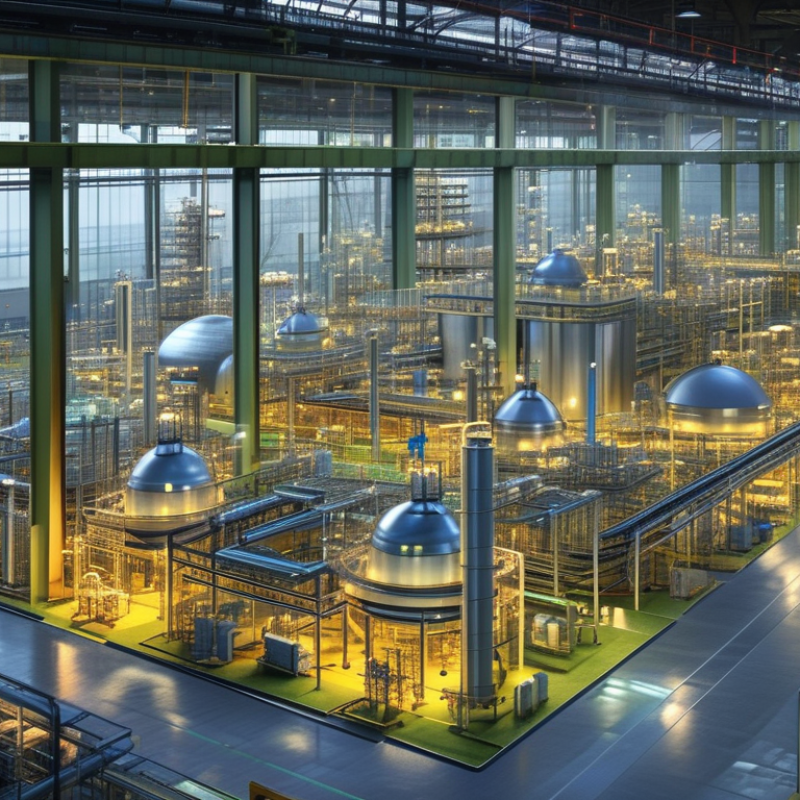
Understanding Industrial Biotechnology and Its Scope
Industrial biotechnology encompasses the use of biological systems for the production and processing of materials, chemicals, and energy. This field has gained traction in recent years due to its potential for reducing dependence on fossil fuels. According to a rEport by the European Commission, this sector could reduce greenhouse gas emissions by 60% by 2030. It harnesses microorganisms and enzymes to create sustainable alternatives, minimizing waste and elevating resource efficiency.
The scope of industrial biotechnology is broad and diversified. It covers sectors like pharmaceuticals, biofuels, and bioplastics. In the production of biofuels, for instance, biotechnology contributes to a more sustainable energy landscape. The global biofuels market was valued at approximately $138 billion in 2021, projected to reach $267 billion by 2028. Nonetheless, challenges remain. The efficiency of some biotechnological processes needs improvement. There is also concern about the resource allocation in developing nations. Without addressing these gaps, the promise of industrial biotechnology could fall short.
Innovations continue to emerge within this sector. Recent advancements in synthetic biology may offer revolutionary methods for creating materials and energy solutions that were previously unimaginable. For example, researchers are exploring ways to engineer yeast for more efficient ethanol production. However, ethical considerations and regulatory frameworks require careful attention. Balancing progress with responsibility is essential for the long-term success of industrial biotechnology, ensuring it meets both ecological and societal needs.
Current Applications of Industrial Biotechnology in Various Sectors
Industrial biotechnology is transforming various sectors. In agriculture, it enhances crop resilience using natural microorganisms. These microbes help plants deal with stress, improving yields. For example, biofertilizers reduce the need for chemical fertilizers. Farmers see lower costs and healthier soil as a result.
In the energy sector, biotechnology offers renewable solutions. Biofuels created from organic materials lower greenhouse gas emissions. Algae-based biofuels are gaining attention for their sustainability. The technology is still developing, with challenges in scalability. However, the potential for cleaner energy is promising.
The food industry also benefits from industrial biotechnology. Fermentation processes improve food preservation and create healthier options. Enzymes derived from natural sources enhance flavors and textures in products. Despite the benefits, consumer acceptance remains a hurdle. People may feel uncertain about genetically modified organisms in their diets. These challenges invite reflection on how to communicate the benefits effectively.
The Role of Industrial Biotechnology in Sustainable Development
Industrial biotechnology is playing a crucial role in sustainable development. This sector focuses on using biological processes for manufacturing and environmental solutions. Industrial Enzymes Biotechnology, a key component, enables cleaner production methods. It reduces waste and energy consumption, leading to a smaller carbon footprint.
By harnessing microorganisms, we can create biofuels and biodegradable plastics. These innovations provide alternatives to fossil fuels and conventional materials. The development of bio-based products offers numerous environmental benefits. Yet, challenges remain. Not all biotechnological solutions are equally efficient or scalable. Ongoing research is needed to optimize these processes.
Moreover, understanding the social impact is vital. Communities must be engaged to ensure acceptance of biotechnological advancements. Transparency in practices fosters trust. A well-rounded approach is essential for successful implementation. This requires collaboration between scientists, policymakers, and the public. The path forward must not only focus on technology but also on ethical considerations.
How to Leverage Industrial Biotechnology for Sustainable Solutions? - The Role of Industrial Biotechnology in Sustainable Development
| Dimension | Description | Impact | Examples of Processes |
| Biofuels | Renewable energy sourced from biological materials. | Reduction in greenhouse gas emissions. | Fermentation of biomass to produce ethanol. |
| Biodegradable Plastics | Plastics derived from renewable biomass sources. | Less environmental pollution and waste. | Production of polylactic acid (PLA) from corn starch. |
| Bioremediation | Use of microorganisms to clean up contaminated environments. | Improved ecosystem recovery and safety. | Degradation of oil spills using bacteria. |
| Synthetic Biology | Design and construction of new biological parts and systems. | Innovations in healthcare, agriculture, and environmental solutions. | Engineering yeast to produce pharmaceuticals. |
| Fermentation Technology | Using microorganisms to ferment organic substrates. | Sustainable production of food, feed, and biofuels. | Production of yogurt and beer through fermentation. |
Innovative Techniques in Industrial Biotechnology for Resource Efficiency
Industrial biotechnology is transforming how industries operate. Innovative techniques are at the forefront of this change. For instance, the use of enzymes in bioprocessing enhances efficiency. Enzymes break down materials more effectively. This reduces waste and saves time.
Another approach involves bioremediation. Microorganisms can clean up polluted environments. They convert harmful substances into less toxic forms. This method showcases how nature can solve human-made problems. However, challenges remain. Not all microorganisms work equally well in diverse environments.
Sustainability often requires balance. While technologies improve resource efficiency, they can have drawbacks. The reliance on specific biocatalysts can lead to vulnerabilities. Industrial Microbiology And Biotechnology must address these issues. Experimentation and adaptability are essential for long-term success. Resources must be used wisely to ensure future generations benefit.
Challenges Facing Industrial Biotechnology in Achieving Sustainability
Industrial biotechnology has great potential for creating sustainable solutions. However, it faces several significant challenges. One major issue is the high cost of developing new biotechnological processes. Many companies struggle to find the financial backing needed to innovate. Investment in research and development can be risky and uncertain. This situation discourages growth in the sector.
Another important concern is the availability of raw materials. Accessing sustainable feedstock can be difficult and inconsistent. Not all materials are environmentally friendly. Companies must invest time and resources to ensure their supply chains are sustainable. Additionally, regulatory hurdles often slow down the progress of new technologies. Strict policies can limit innovation and collaboration.
Further complicating matters is the need for skilled professionals. The workforce must be trained in new biotechnological methods. This shortage impacts the speed at which innovations can enter the market. Addressing these challenges requires a multi-faceted approach. Experts in Industrial Pharmaceutical Biotechnology must work together to find solutions that resonate within both the academic and industrial communities. Yet, the pathway is not straightforward, and continuous reflection on these obstacles is essential for true advancement.
Future Trends and Opportunities in Industrial Biotechnology
Industrial biotechnology is emerging as a critical player in the quest for sustainable solutions. With an expected market growth from $600 billion in 2022 to $1 trillion by 2030, it stands at the forefront of innovation. This sector utilizes biological processes for manufacturing products, offering a pathway to reduce greenhouse gas emissions significantly. Data shows that biotechnological methods can cut carbon footprints in industries such as energy, agriculture, and materials by up to 50%.
Future trends highlight the rise of microbial fermentation and enzyme technology. These advancements are expected to enhance efficiency and reduce waste. Research indicates that companies implementing bioprocesses can decrease production costs by approximately 25%. The development of bioplastics and biofuels also opens new avenues for eco-friendly alternatives. However, the challenge lies in scaling up these technologies. Current production levels may not meet the growing demand. Continuous investment in research is necessary to overcome these hurdles.
Opportunities abound in the integration of industrial biotechnology with circular economy principles. By promoting waste recycling into valuable products, industries can achieve both economic and environmental benefits. Nevertheless, the transition requires thoughtful regulation and public acceptance. The path forward may not be straightforward. Nonetheless, the potential for industrial biotechnology to drive sustainable development is clear, demanding both commitment and collaboration across sectors.
Case Studies of Successful Sustainable Solutions via Biotechnology
Industrial biotechnology offers innovative pathways to address pressing sustainability challenges. For example, a recent study highlighted a bioprocess using engineered yeast to convert agricultural waste into bio-ethanol. This process reduced greenhouse gas emissions by 70% compared to traditional fossil fuels. The integration of biotechnology in agriculture also shows promise. Researchers reported that biopesticides derived from natural sources decreased pesticide usage by nearly 30%, promoting healthier ecosystems.
Another impactful case is in the textile industry. A biotech firm developed a method to produce fibers using microorganisms, which significantly lessens water and energy consumption. Reports indicate that this technique can save up to 95% water compared to conventional textile production. However, challenges remain. Regulatory barriers and public skepticism can slow adoption rates. Engaging with communities and stakeholders is crucial for effective implementation and acceptance.
Understanding these case studies reveals both the potential and the complexities of harnessing biotechnology. Companies must continually evaluate their practices and strive for transparency. Data-driven decision-making is essential to ensure that the benefits of biotechnology are maximized while minimizing environmental impacts.
Advancements in Recombinant Human IFN-γ Protein GMP Production: Insights from 2023 Biotech Market Reports on Quality Standards and Supplier Trustworthiness
In the rapidly evolving field of biotechnology, the production of recombinant human Proteins, such as IFN-γ, has seen significant advancements, particularly in the realm of Good Manufacturing Practices (GMP). The latest market reports from 2023 emphasize the critical importance of adhering to stringent quality standards that ensure the effectiveness and safety of these products. As the demand for high-quality biologics increases, manufacturers are called upon to not only meet these regulations but to foster a sense of trustworthiness among their clientele. This is where quality assurance becomes paramount, establishing a foundation of reliability that end-users can depend on.
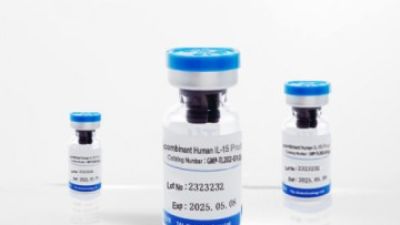
A notable product in this expanding market is GMP-TL105, which is currently available for immediate shipment from a reputable manufacturer. This product exemplifies the caliber of goods that compliant factories can produce, ensuring that all manufacturing processes align with the best practices outlined in the latest guidelines. Sourced from an established provider, GMP-TL105 is an embodiment of both excellence and supplier integrity, aiming to deliver exceptional performance while fulfilling the rigorous demands of the biotechnology sector. As stakeholders in the market seek sustainable and trustworthy solutions, products like GMP-TL105 continue to serve as indispensable resources for advancing research and therapeutic applications.
FAQS
: Industrial biotechnology uses biological systems to produce materials, chemicals, and energy sustainably.
It could potentially reduce emissions by 60% by 2030 through efficient biological processes.
Key sectors include pharmaceuticals, biofuels, and bioplastics, showcasing its diverse applications.
The efficiency of biotechnological processes needs improvement for sustainable growth.
Enzymes enhance breakdown efficiency of materials, reducing both waste and time significantly.
It uses microorganisms to clean polluted environments, converting harmful substances into less toxic forms.
Over-reliance may create vulnerabilities in the system, posing risks to efficiency and reliability.
Biopesticides derived from natural sources have reduced pesticide usage by nearly 30%, promoting healthier ecosystems.
Innovative methods produce fibers with 95% less water and energy than traditional textile manufacturing.
Engagement can help overcome regulatory barriers and public skepticism, facilitating better acceptance of new technologies.
Conclusion
Industrial Biotechnology harnesses biological processes for industrial purposes, paving the way for sustainable solutions across various sectors. By understanding its scope and current applications, we can appreciate its pivotal role in enhancing resource efficiency and contributing to sustainable development. Innovative techniques within Industrial Biotechnology are increasingly being utilized to optimize processes, reduce waste, and generate bio-based products that replace fossil fuels and conventional chemicals.
Despite its potential, Industrial Biotechnology faces challenges such as regulatory hurdles, public perception issues, and the need for significant investment in research and development. Nonetheless, future trends indicate a growing integration of biotechnology in industrial practices, and numerous case studies have showcased successful sustainable solutions achieved through these innovations. As industries continue to explore and invest in Industrial Biotechnology, the prospects for a more sustainable economic paradigm remain promising.