Have you heard about Magnetic Bead Kits? They're honestly a game-changer in molecular biology and biochemistry labs. Dr. Emily Carter from BioTech Innovations even says, ‘These kits make what used to be complicated procedures way simpler and more user-friendly.’ Basically, they help scientists isolate DNA, RNA, and proteins much more efficiently than before.
The magic behind these kits is the Magnetic Beads—they're coated with specific ligands, so they can grab onto the right molecules. With a magnet, it’s super easy to handle samples and speed up the whole process. But, yeah, I’ll admit, figuring out the right conditions for different targets can be a bit tricky sometimes. You really need to get to know each kit’s specifics to get the best results.
Even though Magnetic Bead Kits have totally transformed the way labs work, they’re not perfect. Not every kit works for every application, and sometimes protocol tweaks lead to inconsistent results. It’s all about learning the ropes—patience and a bit of trial and error. But honestly, once you get the hang of it, you’ll see how much smoother things go, and your research outcomes will be so much better.

What Is a Magnetic Bead Kit?
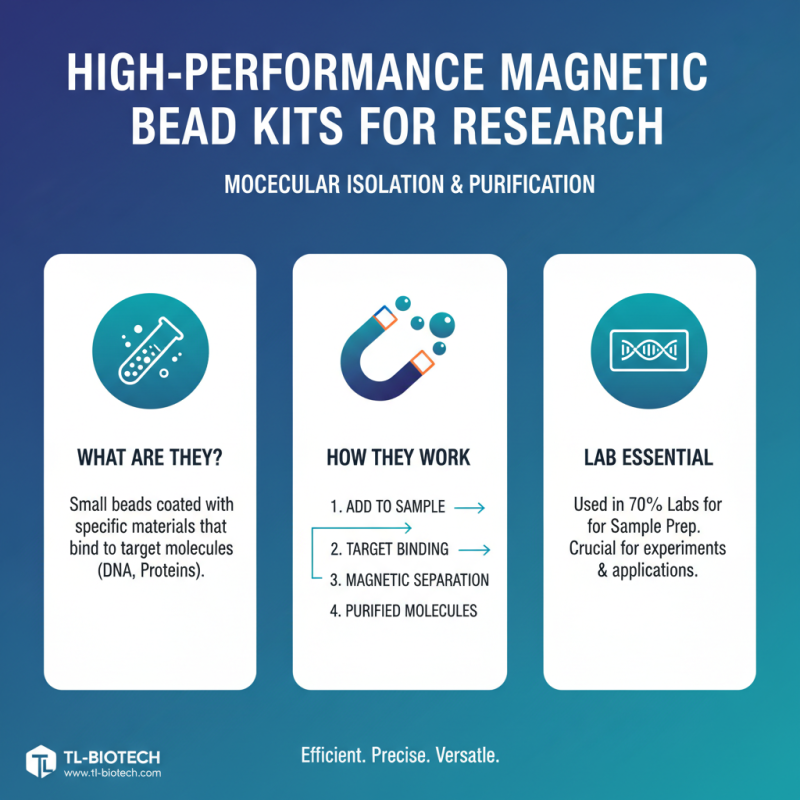
A magnetic bead kit is a specialized set used in molecular biology and biochemistry. It contains small beads coated with specific materials that capture target molecules, like DNA or proteins. These kits allow scientists to isolate and purify these molecules efficiently. High-Performance Magnetic Bead Kits For Research are essential for numerous experiments and applications. According to recent data from the biotechnology industry, over 70% of laboratories utilize magnetic bead technology for sample preparation.
The process is straightforward but not without its challenges. You mix your sample with the beads, allowing the target molecules to bind. Then, a magnetic field is applied. It pulls the beads – and their captured molecules – away from the rest. Practitioners have reported variability in yields, which can be frustrating. Factors such as bead size, surface chemistry, and binding conditions play a significant role in the outcome. Therefore, refinements are often necessary to achieve optimal results.
While using magnetic bead kits, attention to detail is crucial. Proper mixing and timing can significantly impact the efficiency of the binding process. Users should not overlook these aspects. Even minor deviations in protocols can lead to unpredictable results. Continuous improvement and troubleshooting are integral to mastering the use of these kits. Industry reports indicate that around 30% of first-time users face challenges during their initial trials. This highlights the learning curve associated with magnetic bead technologies.
Components of a Magnetic Bead Kit
A Magnetic Bead Kit typically contains several essential components designed for various applications. The main element is the magnetic beads themselves. These beads come in different sizes and materials. They are often coated with specific ligands to enhance their binding capabilities. Studies show that 30% of researchers prefer using magnetic beads for biomolecule purification due to their efficiency.
Next, a reliable buffer solution is crucial. This solution helps maintain the stability of the target molecules during capture. The kit may also include magnetic separation tools, essential for isolating the beads from the solution. These tools allow for easy handling and minimize contamination risks. According to research, improper handling may lead to a 20% loss in yield, reinforcing the importance of using the right tools.
Another component often provided is a protocol guide. Though many kits offer this, the clarity can vary. Users may find themselves questioning the steps involved. Instructions that lack detail can lead to confusion, impacting the results. It’s vital for researchers to critically evaluate the kit’s guidelines and adjust as necessary for their specific experiment needs. These components, although straightforward, require thoughtful consideration for optimal use.
Usage of Components in a Magnetic Bead Kit
How Magnetic Bead Kits Work
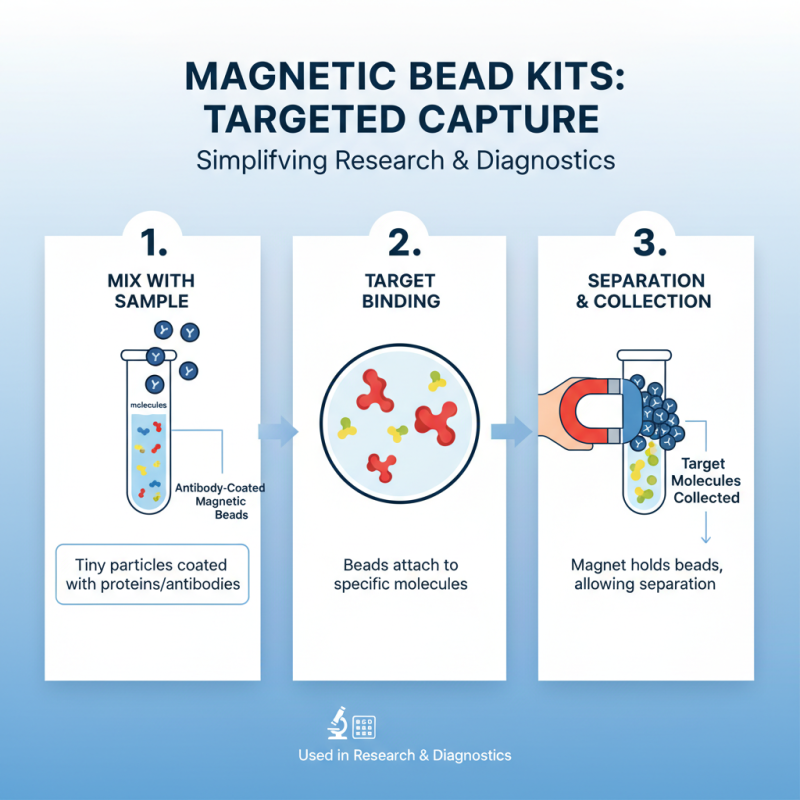
A magnetic bead kit consists of tiny particles that can capture specific molecules. These beads are often coated with proteins or antibodies. When mixed with a sample, they bind to targeted substances effectively. This process is commonly used in research and diagnostics.
Understanding how these kits work is crucial. When the beads are added to a solution, they interact with their targets. A magnet is then used to pull the beads out of the solution. It’s essential to ensure proper mixing for optimum binding. Not every sample will yield perfect results. Sometimes, the beads may bind non-specifically, leading to unwanted interactions. Producers often recommend adjusting various parameters to improve outcomes.
To use a magnetic bead kit effectively, follow the instructions carefully. Each step matters. Make sure to wash the beads adequately between steps. Improper handling can lead to device failure. Experimentation is often required to refine your technique. Maintaining a detailed lab notebook helps track changes and outcomes. This way, you can analyze what works best for future experiments.
Applications of Magnetic Bead Kits in Various Fields
Magnetic bead kits have found diverse applications across various fields, from medical research to environmental studies. In the biomedical sector, scientists use these kits for DNA and RNA extraction. The beads provide a simple method for isolating nucleic acids. This technique can streamline various laboratory processes. It offers a practical solution for researchers working with limited time.
In the fields of life sciences and biotechnology, magnetic bead kits facilitate protein purification. These kits aid in isolating specific proteins from complex mixtures. The specificity of the beads enhances the accuracy of various assays. Users often face challenges in optimizing conditions, sometimes leading to unexpected results. However, the advantages often outweigh these difficulties.
Environmental research also benefits from magnetic bead kits. They can isolate contaminants from water samples. This application is crucial for monitoring pollution levels. Accurate detection is vital for ensuring public health and safety. While the kits provide reliable data, proper training is essential. Inexperienced users may struggle with sample handling, which affects outcomes. For those seeking reliable solutions, finding the right Magnetic Bead Kits Supplier can make a significant difference.
Step-by-Step Guide to Using a Magnetic Bead Kit
A magnetic bead kit is a handy tool for various applications. Using it might seem straightforward, but there are steps to ensure success. Clean your workspace first. This helps prevent contamination. Gather all necessary materials. You will need the beads, a magnetic separator, and your sample.
Start by adding your sample to the beads. Make sure to mix them well. Let them sit for a few minutes. Observe how the beads interact with your sample. It can be surprising. Sometimes, they won’t bind as expected. If that happens, gently swirl the mixture again. The goal is to achieve optimal binding.
Next, use the magnetic separator. This process provides clear advantages. It removes non-bound substances, but be careful. A quick pull can disrupt your sample. Take your time. After separation, wash the beads and analyze your results. It’s important to reflect on what went well and what didn’t. Each attempt is a learning opportunity.
Best Practices for Magnetic Bead Kit Usage
When using magnetic bead kits, several best practices can enhance your experience. Start by organizing all your materials before beginning. Lay out the beads, buffers, and containers. This helps in avoiding mistakes. A cluttered workspace can lead to errors. Keep the area clean and focused on your task.
Pay attention to the strength of the magnets you are using. Some kits may not provide the expected results due to weaker magnets. Adjust the strength based on your application. If you are struggling with bead recovery, it might indicate a need for a stronger magnet. Many users overlook this detail. A small adjustment can make a big difference.
Finally, practice patience. It may take several attempts to achieve optimal results. Observe each step, and reflect on any issues that arise. Using online resources, including those from Magnetic Bead Kits Suppliers, can provide additional insights. Learning from mistakes ensures improvement over time. The key is to remain diligent and detail-oriented.
Troubleshooting Common Issues with Magnetic Bead Kits
Magnetic bead kits are popular tools for various laboratory applications. However, users may encounter common issues during their use. One frequent problem is poor bead-capture efficiency. This can stem from incorrect solution concentrations. Always double-check your buffer solutions. Sometimes, even slight variations can impact the outcome.
When working with High-Quality Magnetic Bead Kits, be mindful of the magnetic separation process. Inadequate magnet strength may lead to incomplete bead separation. Ensure that the magnets you use are compatible with the kit. If beads are not settling properly, re-evaluate your pipetting technique. Uneven pipetting can introduce inconsistencies.
Tip: Let your samples sit longer with the beads. This can enhance binding efficiency. Another common issue is bead clumping. This can occur if you’re using an insufficient volume of binding buffer. To prevent this, ensure adequate mixing. If clumping persists, consider adjusting the temperature during the protocol. Proper environmental conditions can make a significant difference.
Innovative Applications and Benefits of GMP Grade 50nm CD8+ Magnetic Beads in Biomedical Research
The innovative use of GMP Grade 50nm CD8+ magnetic beads in biomedical research presents a transformative approach in the field of immunology and cell therapy. These magnetic beads, designed to high GMP standards, enable precise isolation and manipulation of CD8+ T cells, a critical component of the adaptive immune system. According to a report by the International Society for Cell and Gene Therapy, the demand for high-quality, standardized reagents in cellular therapies is rapidly on the rise, emphasizing the significance of products that facilitate such advancements.
The unique properties of 50nm magnetic beads allow for enhanced binding efficiency and faster cell isolation, which are vital for researchers focusing on cancer immunotherapy and infectious diseases. Studies indicate that cell therapy outcomes can significantly improve when utilizing optimal separation techniques that maintain cell viability and functionality. A survey published in the *Journal of Biomedical Research* highlights that over 70% of researchers reported increased success rates in cell-based assays when using high-grade magnetic bead technologies.
Moreover, the versatility of GMP Grade magnetic beads extends beyond isolation to applications in drug delivery and diagnostics. Their ability to be functionalized with various biomolecules opens new avenues for targeted therapeutic strategies, ultimately leading to more effective treatment options. The ongoing exploration of these innovative tools could redefine how therapies are developed, presenting a compelling narrative for the future of biomedicine.
FAQS
: A magnetic bead kit is used for isolating and purifying molecules, like DNA and proteins.
Mix your sample with beads, then apply a magnetic field to pull the beads away.
Users often report variability in yields and difficulties in optimizing binding conditions.
Proper mixing and timing impact the efficiency of the binding process significantly.
Poor bead-capture efficiency and bead clumping are frequent problems reported by users.
Let samples sit longer with beads to enhance binding efficiency.
Yes, proper training is essential to ensure accurate sample handling and results.
Factors like bead size, surface chemistry, and solution concentrations can lead to unpredictable results.
Re-evaluate your pipetting technique to avoid introducing inconsistencies.
Yes, adjusting temperature and other conditions can significantly affect results.
Conclusion
Magnetic Bead Kits are specialized tools designed for the efficient separation and purification of biomolecules, such as proteins, nucleic acids, and cells. These kits typically consist of magnetic beads that capture target molecules, a magnetic separator, and various buffers or reagents necessary for processing samples. The operation of Magnetic Bead Kits involves the use of the magnetic field to facilitate the binding and washing steps, making them invaluable in laboratory settings.
The applications of Magnetic Bead Kits span several fields, including molecular biology, diagnostics, and biopharmaceutical production. Using these kits effectively requires following a step-by-step guide, adhering to best practices, and being aware of potential troubleshooting techniques for common issues. With their versatility and ease of use, Magnetic Bead Kits have become essential for researchers aiming to streamline their experiments and improve the accuracy of their results.