Figuring out the right Gene Therapy Treatments can really feel overwhelming at times. With all the quick advances in biotech these days, it’s so easy to get lost in the sea of options. Honestly, taking the time to understand the ins and outs of these treatments is super important if you want to make smart choices.
When you're diving into gene therapy options, I’d definitely recommend chatting with healthcare pros who really know their stuff. Resources from groups like the American Society of Gene & Cell Therapy can be a big help to cut through the confusion. And don’t hesitate to voice your worries about risks and benefits—that’s totally normal. Keep in mind, everyone’s experience with these therapies is different, so hearing a variety of stories can be really eye-opening.
Also, remember that not every treatment will be perfect for every person. What works wonders for one might not suit someone else. That’s why tailoring the approach to your specific needs is so key. Do a bit of homework on the companies offering these therapies—look for ones with solid track records and transparency. Taking the time to reflect on all these factors will help you move closer to finding the right gene therapy for you.

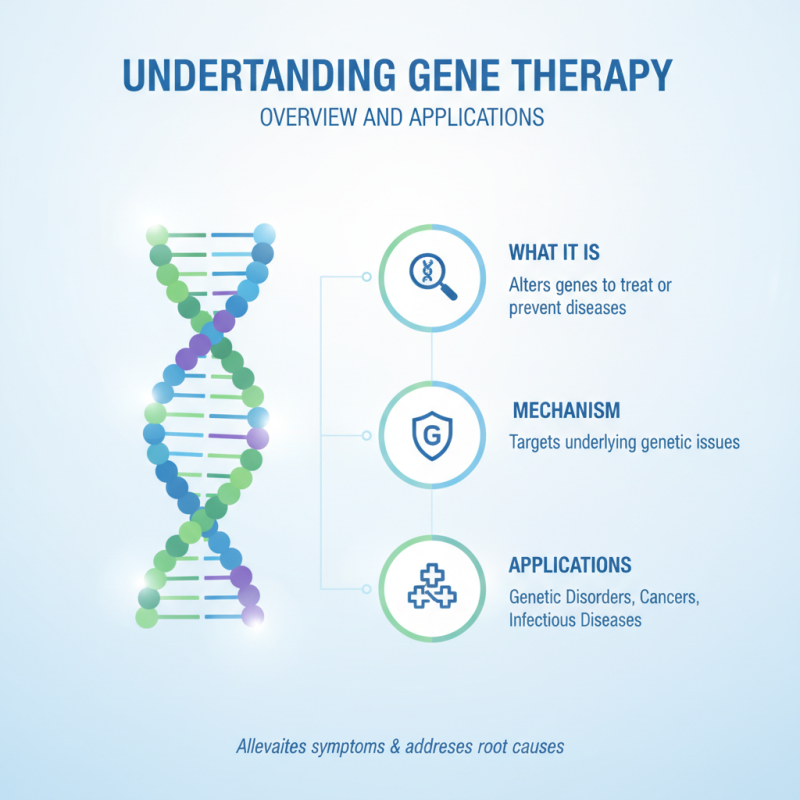
Gene therapy represents a groundbreaking approach in medicine. It focuses on altering genes to treat or prevent diseases. This method shows promise for various genetic disorders, cancers, and Infectious Diseases. By targeting the underlying genetic issues, gene therapy can not only alleviate symptoms but also address the root causes.
When considering gene therapy, understanding its applications is crucial. This therapy can correct faulty genes, introduce new genes, or disrupt harmful genes. Each application may suit different conditions. Being informed about the specific application related to a condition is essential.
Tips for choosing a gene therapy treatment include thorough research. Look at clinical trial results and patient testimonials. It's important to evaluate the expertise of the medical team involved. Their experience can greatly influence treatment outcomes. Seek consultations with multiple specialists. This process can provide varied insights. Reflect on the potential risks and benefits, as every treatment carries inherent uncertainties.
When exploring gene therapy treatments, it is crucial to evaluate the different types of methods available. Gene therapy can be divided into various categories, each with unique approaches. One primary category is somatic gene therapy, which aims to treat diseases by modifying the genes in specific tissues. This method has been effective for genetic disorders and certain cancers.
Another important type is germline gene therapy. Unlike somatic therapies, this method modifies genes in reproductive cells. This raises ethical concerns and potential long-term effects, making it a complex choice. Patients should weigh these implications carefully.
Viral vectors are commonly used in gene therapy. They deliver therapeutic genes into target cells effectively. However, the risk of immune reactions exists. Some patients may experience side effects. Non-viral methods, such as CRISPR, offer precision but also require careful consideration of consequences. Each method possesses strengths and weaknesses. Understanding these nuances is essential for informed decision-making.
Assessing eligibility for gene therapy treatments is crucial. Not everyone is a suitable candidate for these innovative procedures. Various factors come into play, including age, medical history, and specific genetic conditions. This assessment often requires detailed testing and consultations with specialists.
Understanding the potential benefits and risks is key. Patients must discuss their expectations and health concerns with their medical team. Many treatments are still in clinical trials, meaning long-term effects are unknown. Some patients may not respond well, leading to disappointment and additional health concerns.
It's essential to approach gene therapy with realistic expectations. While many individuals may find hope in Innovative Gene Therapy Treatments For Genetic Disorders, others may need alternative options. Continuous dialogue with healthcare professionals will help in navigating these complex decisions. The journey is personal and often requires patience and resilience.
When selecting a gene therapy provider, several key factors come into play. The experience of the provider is paramount. According to a recent industry report, over 75% of successful gene therapy outcomes can be attributed to the expertise of the research team. It’s critical to inquire about their clinical trial history and published research. Providers with a robust portfolio in Custom Gene Therapy Treatments often demonstrate superior patient outcomes.
Another important factor is regulatory compliance. The global gene therapy market is projected to reach over $13 billion by 2026, emphasizing the increasing demand for reliable therapies. Regulatory bodies such as the FDA have established requirements that ensure safety and efficacy. Providers should openly share their adherence to these standards, as this transparency builds trust.
Finally, evaluating patient-centered care is essential. Providers who prioritize comprehensive patient support, from initial consultations to post-treatment follow-ups, consistently rank higher in patient satisfaction surveys. Recognizing that no treatment is one-size-fits-all is critical. Each patient's unique genetic profile necessitates tailored approaches. Engaging with providers about their approach to Custom Gene Therapy Treatments will reveal their commitment to personalized medicine.
Gene therapy represents a groundbreaking advancement in medical science. It introduces modified genes to treat or prevent diseases. While this technology brings hope, understanding the associated risks and benefits is crucial.
One significant benefit of gene therapy is its potential to cure conditions that were previously deemed incurable. However, potential risks include immune reactions and unintended consequences on other genes. Patients should consult experienced professionals before pursuing treatments.
When considering Gene Therapy Treatments Service, some tips can help. Look for accredited facilities. Ensure they have a history of successful outcomes. Ask about the qualifications of the medical team. Transparency is vital; all potential risks and side effects should be clearly outlined.
Gene therapy is not a silver bullet. The approach requires careful consideration and ongoing research to understand long-term effects. Open discussions with medical professionals can guide safe and informed decisions.
This chart represents the perception scores regarding various aspects of gene therapy treatments, focusing on efficacy, safety, cost, accessibility, and long-term effects.
Gene therapy represents a revolutionary approach in medical science. As ongoing research unfolds, we witness promising advancements in the field, aiming to tackle previously incurable diseases. Scientists are actively exploring new vectors and delivery methods. This exploration could provide safer and more effective treatments, ultimately benefiting patients worldwide.
When considering gene therapy options, several tips can guide you. Look for therapies with robust clinical trial results. Check the backgrounds of researchers and the institutions involved. Their expertise can indicate reliability. Additionally, transparency in research and clear communication about potential risks are essential. Engage in discussions with healthcare providers to understand the implications of each treatment.
Future directions in gene therapy appear bright yet complex. Emerging technologies might lead to personalized therapies tailored to individual genetic profiles. However, ethical considerations remain a challenge. Balancing innovation and patient safety requires ongoing dialogue. Ultimately, choose a Gene Therapy Treatments Supplier that prioritizes ethical standards alongside scientific progress. Navigating this landscape is not straightforward, but informed choices can lead to significant health advancements.
| Criteria | Description | Current Research | Future Directions |
|---|---|---|---|
| Efficacy | Assess the effectiveness of the gene therapy in clinical trials. | Ongoing trials showing positive outcomes in genetic disorders. | Development of more targeted therapies for specific genetic mutations. |
| Safety | Evaluate side effects and long-term safety of treatments. | Monitoring adverse effects in ongoing clinical trials. | Advancements in minimizing risks through novel delivery methods. |
| Delivery Mechanism | Understanding how the therapy is administered. | Research on viral and non-viral vectors for gene delivery. | Emerging technologies for more effective and localized delivery systems. |
| Cost | Consider the financial implications of treatment options. | Evaluating cost-effectiveness in current gene therapies. | Potential for reduced costs with technological advancements and competitive pricing. |
| Regulatory Approval | Check the status and timeline for FDA/EMA approvals. | Recent approvals for various gene therapies in 2023. | Future regulatory pathways may streamline approval for next-generation therapies. |
Navigating the complex world of gene therapy can be daunting. Patients need robust support systems. Accessing reliable resources can make a significant difference in the treatment journey. Organizations offer guidance, ensuring that patients stay informed about their options. Connecting with peers can also provide emotional support. Finding a community can ease the feeling of isolation.
When choosing a gene therapy treatment, consider potential side effects. Understanding these can help prepare you for what lies ahead. Researching clinical trials might reveal innovative treatments not widely available yet. Communication with healthcare providers is vital. They can explain the mechanisms involved in your specific condition.
Joining online forums offers shared experiences. Listening to others' stories can provide comfort. Remember, the path may not be smooth. Setbacks can happen. Staying resilient and adaptable is crucial. Your health team should be a fundamental resource, providing expertise and compassion as you move forward. Always seek multiple opinions and validate information through trusted sources.
: Eligibility includes age, medical history, and specific genetic conditions. Detailed testing is often required.
Discussing expectations and health concerns helps patients make informed decisions amidst ongoing clinical trials.
Hope exists, but not everyone responds well. Disappointment may lead to additional health issues.
Consider the provider's experience, regulatory compliance, and patient-centered care in treatment plans.
Access reliable resources, connect with peers, and join online forums for emotional support and guidance.
Understanding side effects helps in preparing for treatment challenges. Communication with healthcare providers is essential.
The provider's trial history may indicate their expertise. Past success rates can influence patient outcomes.
Resilience is key. Staying adaptable and seeking support from your health team can help navigate difficulties.
It's wise to seek multiple opinions and validate information through trusted sources to ensure accuracy.
Gene Therapy Treatments represent a transformative approach in modern medicine, aiming to address genetic disorders by altering patients' genes. Understanding the various applications and methods of gene therapy is crucial for patients considering these treatments, as they must evaluate their eligibility based on specific genetic conditions and overall health. Key factors in selecting a gene therapy provider include the provider's expertise, the technology used, and support resources available for patients.
As gene therapy continues to evolve, it is essential to understand both the potential risks and benefits associated with these treatments. Ongoing research is paving the way for future advancements, promising new avenues for effectively managing previously untreatable conditions. Patients must also connect with available support systems to navigate their journey through gene therapy, ensuring they have access to the necessary information and resources throughout the treatment process.