Leave Your Message
0%

The biopharmaceutical world is going through some pretty big changes right now. According to a recent rEport from Deloitte, the Contract Development and Manufacturing Organization (or CDMO) side of things is expected to hit around $180 billion by 2026. That’s a huge jump, and honestly, it shows just how much companies are looking to outsource parts of drug development and manufacturing these days. Manufacturers and biotech firms around the globe are on the hunt for trustworthy partners—likeBiopharmaceutical CDMOs—who can help them handle the tricky regulatory stuff and speed up getting new products out the door.

These days, it’s all about personalized medicine and biologics. If you’ve been following the news, you know that biologics make up nearly half of the pipeline in pharma, according to Grand View Research. That’s a lot of new, complex products coming down the line, and it’s definitely presenting some fresh challenges for CDMOs. They need to get comfy with all kinds of new tech—like continuous manufacturing and advanced data analysis—and handle a wide range of product demands. But let’s be real: scaling up these processes and keeping everything consistent from batch to batch isn’t always easy.

Given all this, choosing the right Biopharmaceutical Cdmo really is a big deal. You want someone reliable, with a solid track record. If companies don’t do their homework and pick their partners carefully, they could run into costly issues down the line. Global buyers should really think about how well their partnerships align with their strategic goals—because getting it right now could make or break their success in this rapidly changing sector.

2026 Top Biopharmaceutical CDMO Trends for Global Buyers?

Emerging Technologies in Biopharmaceutical CDMO Industry for 2026

The biopharmaceutical CDMO landscape is evolving rapidly. Emerging technologies are reshaping how companies approach drug development and production. For instance, automation in manufacturing processes is on the rise. Automated systems enhance efficiency and reduce human error. However, the integration of these technologies can often be tricky. Companies must ensure staff are trained adequately.

Another promising trend is the use of AI in biopharmaceutical CDMO. AI can streamline operations and optimize formulations. However, depending heavily on algorithms might pose risks. Companies need to strike a balance between human oversight and automation. Custom Biopharmaceutical Cdmo services can benefit from these advanced technologies, yet they must also consider ethical implications.

Additionally, continuous manufacturing techniques are gaining traction. They provide flexibility and speed but require substantial investment. Smaller companies may struggle to adapt to these changes. Embracing innovation is crucial, yet not all technological shifts yield immediate benefits. Real-world applications may differ from expected outcomes, inviting ongoing reflection and adjustment.

2026 Top Biopharmaceutical CDMO Trends for Global Buyers

Key Market Drivers Influencing Biopharmaceutical CDMO Trends

The biopharmaceutical contract development and manufacturing organization (CDMO) industry is evolving rapidly. Driven by increasing demand for biologics, this sector is projected to grow significantly. A recent report estimates that the global biopharmaceutical CDMO market will reach USD 15 billion by 2026, indicating a robust annual growth rate of around 10%. This surge is driven primarily by technological advancements and the ongoing trend towards outsourcing.

Key drivers influencing biopharmaceutical CDMO trends include the rising prevalence of chronic diseases and the shift toward personalized medicine. The increasing complexity of biologics necessitates specialized knowledge and infrastructure that many biopharma companies lack. Additionally, regulatory pressure for compliance and quality assurance has broadened the appeal of Biopharmaceutical Cdmo Service providers. They offer tailored solutions that meet stringent guidelines without the overhead of maintaining in-house capabilities.

Tip: Evaluate potential CDMO partners based on their compliance track record. Look for those with certifications and regulatory approvals.

Another significant trend is the growing importance of sustainable practices. Companies are now more inclined to partner with CDMOs that actively pursue environmentally friendly manufacturing processes. Sustainability can no longer be an afterthought; it is essential for long-term success in the biopharmaceutical landscape.

Tip: Investigate the sustainability initiatives of your CDMO to align your values with their operations.

This evolving landscape reflects a need for agility and forward-thinking in operations. As the market matures, adaptability, and innovation will be crucial for stakeholders to thrive.

2026 Top Biopharmaceutical CDMO Trends for Global Buyers

Trend Market Driver Forecasted Growth (%) Key Region Investment Focus
Personalized Medicine Increasing demand for individualized treatments 15% North America R&D and technology adoption
Biologics Production Growing biologics market 10% Europe Facility expansion
Supply Chain Resilience Post-pandemic supply chain issues 8% Asia-Pacific Digital transformation
Sustainable Practices Environmental regulations and consumer demand 12% Global Green technologies
Advanced Therapies Emergence of gene and cell therapies 20% Latin America Partnerships and collaborations

Increased Demand for Modular and Flexible Manufacturing Solutions

2026 Top Biopharmaceutical CDMO Trends for Global Buyers?

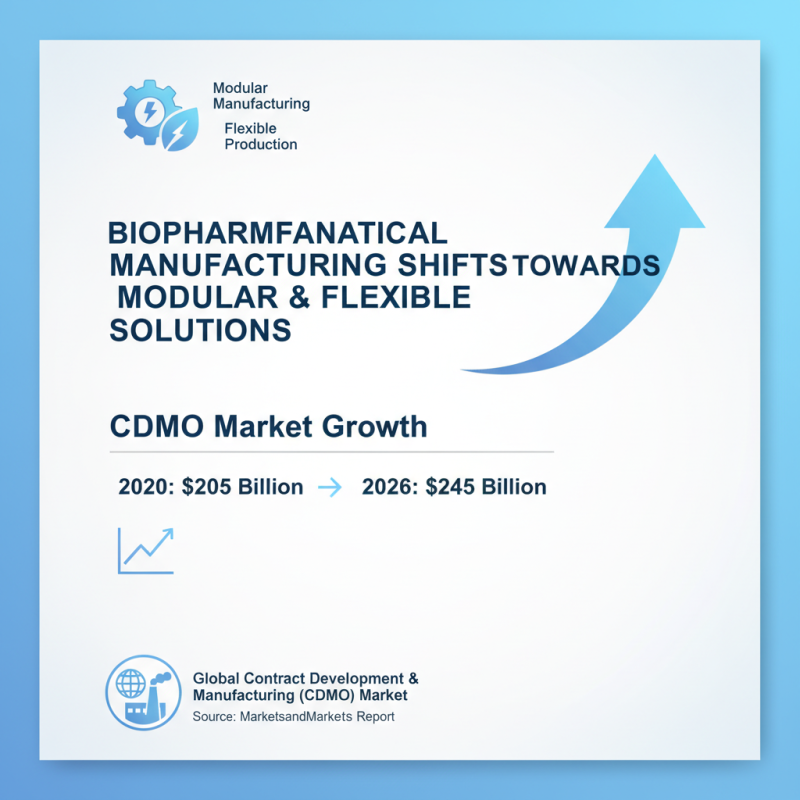
The biopharmaceutical industry is witnessing a significant shift towards modular and flexible manufacturing solutions. A recent report from MarketsandMarkets indicates that the global contract development and manufacturing organization (CDMO) market is projected to grow from $205 billion in 2020 to $245 billion by 2026. This trend reflects the industry's need for adaptability and speed in production.

Flexibility in manufacturing is crucial for meeting diverse therapeutic needs. Modular systems allow companies to scale production rapidly without extensive downtime. This enables CDMOs to respond quickly to changing demands. For instance, during the COVID-19 pandemic, many organizations pivoted their production lines to vaccine manufacturing, highlighting the importance of adaptable systems. A survey by BioPharma Dive revealed that over 60% of biopharma executives prioritize flexibility in their CDMO partnerships.

Tips: When evaluating CDMO partners, consider their ability to implement modular solutions. A dedicated approach to onboarding new technologies can enhance production capabilities. Ongoing communication about capacity and flexibility options can also help maintain alignment with market needs. Always be aware that not all CDMOs will have the same level of adaptability or expertise in modular systems; thorough vetting is essential.

Sustainability Initiatives in Biopharmaceutical CDMO Practices

Sustainability has become a critical focus in biopharmaceutical Contract Development and Manufacturing Organizations (CDMOs). Many organizations are adopting green practices to minimize their environmental impact. This shift reflects an increasing awareness of the industry's responsibility towards the planet. By implementing sustainable initiatives, CDMOs can reduce waste and lower carbon footprints, which aligns with global health goals.

To achieve sustainability, some CDMOs are investing in energy-efficient technologies. This includes using renewable energy sources and optimizing production processes. For instance, waste recycling programs are becoming common in manufacturing settings. However, challenges remain. Not all companies have the resources to adopt advanced sustainable practices. Some struggles reflect the complexities of balancing cost and environmental responsibility.

Transparency in sustainability efforts is vital for building trust with stakeholders. CDMOs are urged to communicate their initiatives clearly. Clients want to know how their partners contribute to a greener future. While many organizations make commitments, the actual execution can vary. The journey towards sustainability requires continuous improvement and honest reflection. This openness can foster stronger relationships in the biopharmaceutical landscape.

Collaborative Innovations between CDMOs and Biopharmaceutical Firms

2026 Top Biopharmaceutical CDMO Trends for Global Buyers?

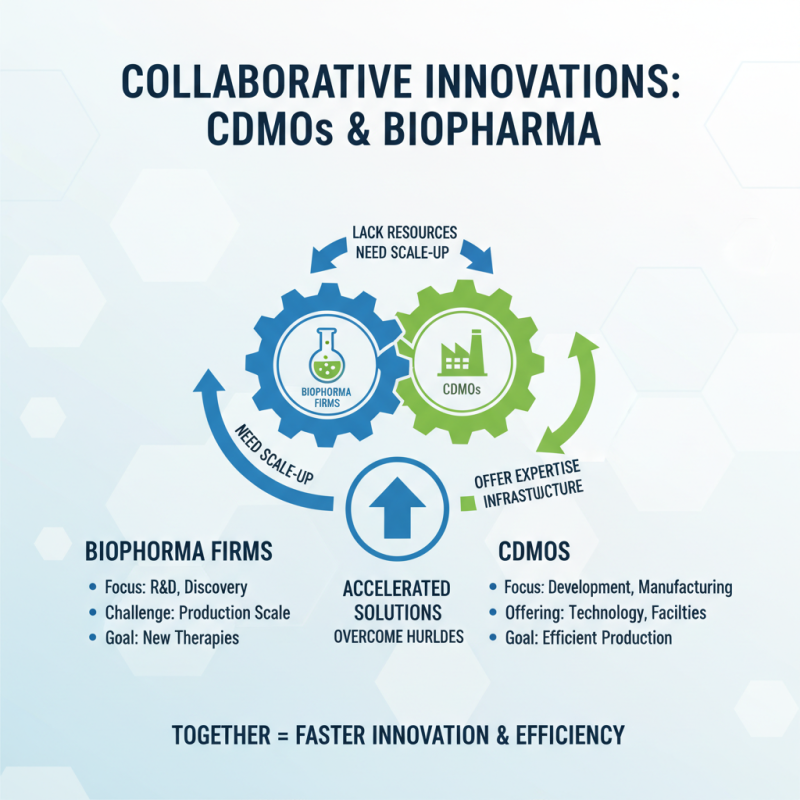
In the biopharmaceutical industry, collaboration is becoming essential. More contract development and manufacturing organizations (CDMOs) are partnering with biopharmaceutical firms. These collaborations foster innovation and efficiency. Biopharmaceutical companies often lack the resources to scale up production. CDMOs offer expertise and infrastructure. Together, they overcome hurdles faster.

Innovative technologies are emerging from these partnerships. For example, advanced bioprocessing techniques improve product yield and quality. This leads to quicker time-to-market for new therapies. However, challenges remain. Trust and communication between partners are critical. Misaligned goals can hinder progress. Companies must be adaptive and ready to pivot when issues arise.

As they work together, both CDMOs and biopharmaceutical firms must focus on transparency. Sharing data and insights can enhance development processes. Yet, not all partnerships are successful. Continuous evaluation and adjustment are necessary. The dynamic landscape of biopharmaceuticals requires flexibility and mutual commitment for sustainable growth.

Regulatory Changes Impacting Global Biopharmaceutical CDMOs

Regulatory changes significantly reshape the landscape for biopharmaceutical CDMOs. These shifts are primarily driven by an increased focus on patient safety and data integrity. With tightening regulations, CDMO suppliers must adapt quickly to remain competitive. For instance, evolving guidelines from regulatory authorities introduce new compliance requirements. This necessitates a proactive approach from Biopharmaceutical Cdmo Suppliers to ensure quality and efficiency.

The impact of these regulatory changes can be profound. Many companies face challenges in aligning their processes with new standards. This can lead to delays in production timelines and increased costs. It’s crucial for CDMO suppliers to engage in continuous training and development programs. Staying updated with the latest regulations helps them navigate the complexities of compliance. Yet, despite these efforts, gaps can still emerge in understanding every nuance of the regulations.

The changing landscape demands agility and expertise from biopharmaceutical CDMO suppliers. Organizations often need to reassess their strategies to include regulatory foresight. This could involve investing in technology and data management systems that streamline compliance processes. As the industry evolves, a flexible approach becomes essential for overcoming regulatory hurdles and enhancing operational efficiency.

Expansion of Data Analytics and Digital Transformation in CDMOs

In recent years, the biopharmaceutical industry has seen significant changes. One major trend is the expansion of data analytics in Contract Development and Manufacturing Organizations (CDMOs). These organizations are increasingly using advanced analytics to optimize production processes. This shift leads to better decision-making and enhanced operational efficiency.

Digital transformation is another critical factor. CDMOs are adopting digital technologies to streamline workflows. For example, automated systems can track inventory more effectively. This increases accuracy and reduces waste. However, some CDMOs struggle with integrating these technologies fully. There is a need for continuous training and adaptation within the workforce.

Global buyers of Biopharmaceutical Cdmo Suppliers may face challenges in navigating these advancements. While data analytics offers promising benefits, it also requires significant investment. The risk of data security issues cannot be ignored. Companies must ensure they adopt best practices to protect sensitive information. Embracing these trends can provide a competitive edge, but strategic implementation is key.

FAQS

: What is the key trend in biopharmaceutical CDMO industry for 2026?

: The CDMO industry is rapidly evolving with emerging technologies reshaping drug development and production.

How is automation impacting biopharmaceutical manufacturing?

Automation increases efficiency and reduces human error, but integration can be challenging for companies.

Why is training important when adopting new technologies?

Adequate staff training is essential to successfully implement emerging technologies in production.

What role does AI play in biopharmaceutical CDMO?

AI helps streamline operations and optimize formulations, but reliance on algorithms poses risks.

What is the significance of continuous manufacturing techniques?

Continuous manufacturing offers speed and flexibility, though it requires significant investment from companies.

Why might smaller companies struggle with technological changes?

Smaller firms may lack the resources to adapt to emerging technologies and their associated costs.

How do modular manufacturing solutions benefit CDMOs?

Modular solutions allow rapid scaling of production while minimizing downtime, which is crucial in emergencies.

What should companies consider when choosing CDMO partners?

Evaluation of their ability to implement modular solutions and adaptability to market needs is crucial.

Are all CDMOs equally adaptable to modular systems?

No, companies should thoroughly vet potential CDMOs as expertise varies widely across the industry.

Why is ongoing communication important in CDMO partnerships?

Regular updates about capacity and flexibility options help maintain alignment with changing demands.

Conclusion

The biopharmaceutical CDMO industry is poised for significant transformation by 2026, driven by emerging technologies and changing market dynamics. Key trends include the increasing demand for modular and flexible manufacturing solutions that enable quicker responses to market needs. Additionally, sustainability initiatives are becoming integral to biopharmaceutical CDMO practices, reflecting a growing commitment to environmentally responsible production.

Collaborative innovations between CDMOs and biopharmaceutical firms are expected to foster more robust partnerships, enhancing the overall efficiency and effectiveness of drug development processes. Regulatory changes will also play a crucial role in shaping the landscape, as CDMOs adapt to new compliance standards. Furthermore, the expansion of data analytics and digital transformation within the CDMO sector will improve operational capabilities and decision-making, ultimately benefiting the biopharmaceutical industry as a whole.


Clara

Clara

Clara is a dedicated marketing professional at T&L Biotechnology Co., Ltd., where she leverages her extensive knowledge of cell and Gene Therapy (CGT) products to drive the company's mission forward. With a strong focus on the research and development of GMP-grade upstream raw materials and......
Previous Top 10 Protein Reagents for Global Buyers in 2026?