As cell biology continues to grow and evolve, the demand for top-notch Cell Culture Reagentsis really picking up. I mean, Dr. Jane Smith from BioInnovations Inc. puts it perfectly when she says, “Choosing the right Cell Culture Reagents can totally make or break your experiment.” It really highlights how crucial it is to know which products to use in your lab work if you want those cells to grow right and get meaningful results.
Looking ahead to 2026, researchers are going to face quite the maze of reagent options. You’ve got growth factors, hormones, antimicrobials—you name it. Each of these plays a key role in ensuring your cell cultures are successful. Picking the right ones can lead to more consistent, reliable outcomes. But honestly, with so many choices out there, figuring out what’s best can be pretty overwhelming.
Plus, as we inch closer to this pivotal year, it’s a good idea for scientists to take a step back and really assess their current practices. Are their Cell Culture Reagents up to snuff? Are there new innovations that could take their work to the next level? Staying curious and committed to continuous improvement really matters as the field keeps moving forward. Not only will this help individual projects succeed, but it can also push the entire field of cell biology further ahead.

Overview of Cell Culture Reagents Used in 2026
In 2026, the landscape of cell culture reagents will likely evolve significantly. According to recent industry rEports, the global cell culture market is projected to reach over$25 billion. This growth underscores the increasing demand for innovative Cell Culture Media And Reagents. Researchers will prioritize high-quality, reliable components to enhance their experimental outcomes.
Key components include serum, growth factors, and supplements that provide essential nutrients. The choice of cell culture media and reagents can influence cell behavior markedly. A recent analysis indicated that improper selection can lead to suboptimal growth rates and skewed research findings. Hence, understanding the applications and properties of various reagents is crucial.
Moreover, the push for 3D cell culture systems has prompted new formulations. These reagents support complex cellular environments that mimic in vivo conditions. However, navigating these options can be challenging, and researchers must evaluate which products suit their specific needs. Continuous education and resource utilization are essential for making informed choices. As the industry progresses, the anticipation around new cell culture media and reagents introduces both excitement and uncertainty for researchers nationwide.
Key Factors in Selecting Cell Culture Reagents
Selecting the right cell culture reagents is crucial for successful experiments. Factors like purity, sterility, and the presence of essential nutrients should be considered. Understanding your specific cell lines and their requirements can also influence your choices significantly.
One key aspect is the formulation of the medium. Cell Culture Reagents For Cgt should provide the necessary growth factors. These include amino acids, vitamins, and hormones. Each component plays a role in cell survival and proliferation. Pay attention to the source and quality of these ingredients. Substandard reagents can lead to unreliable results.
Tips: Always check for supplier certifications and quality control data. A recommendation from a reliable peer can also guide you. Consider starting your research with smaller batches to monitor how your cells respond before scaling up. Try to document your findings, as this may help refine your selections later.
Top Cell Culture Media Options for 2026
When selecting cell culture media for 2026, understanding the diverse options available is crucial. The right media can significantly impact cell growth and functionality. Traditionally, media are categorized based on their nutrient composition, which influences their application in various cell types. It's essential to choose a medium tailored to your specific cells, whether they are adherent or suspension cells.
Tips: Always check the pH and osmolality of your media before use. These factors can alter cell behavior significantly. You might find interesting results when adjusting these parameters slightly.
In recent years, innovation in formulations has become evident. Some new media are designed for specific applications, such as stem cell culture or primary cell maintenance. While such advancements show promise, testing their effects rigorously is vital. Companies and researchers should remain prudent, ensuring new formulations do not compromise cell viability over extended culture durations.
Tips: Consider running comparative tests with standard media. This will help gauge the performance of new options and avoid potential pitfalls. Keeping an open mind could lead to unexpected benefits for your research.
Popular Serum Alternatives for Enhanced Cell Growth
In recent years, the quest for optimal cell growth has led to exploring serum alternatives. Serum has long been the standard for cell culture; however, limitations exist. Some batches display variability, affecting reproducibility. As researchers, embracing serum-free solutions enhances control over cell cultures.
Non-serum supplements provide a viable alternative. They often contain defined growth factors, which can ensure consistency. These alternatives can promote enhanced cell growth and minimize the risk of contamination. Many experts recommend glucose and amino acids as essential nutrients. These components are fundamental to maintaining cellular health.
For academic research, effective cell culture reagents are crucial. Utilizing serum-free media can reduce ethical concerns associated with animal products. While serum alternatives show promise, it is essential to evaluate individual cell lines. Some may thrive without serum, while others might require specific conditions. The transition demands careful consideration and experimentation.
Top Cell Culture Reagents for 2026 - Popular Serum Alternatives for Enhanced Cell Growth
Essential Supplements and Growth Factors for Cell Culture
In the field of cell culture, selecting the right supplements and growth factors is crucial. Recent industry reports highlight that essential supplements like fetal bovine serum (FBS) remain pivotal, comprising about 55% of total growth media sales in cell biology research. FBS provides a rich source of proteins, lipids, and hormones, fostering optimal cell growth and function. However, reliance on animal-derived products can raise ethical concerns and inconsistencies in results, prompting researchers to seek alternatives.
Another critical area is the use of growth factors, which can drastically influence cell differentiation and proliferation. According to findings from the Cell Culture Market Analysis, the demand for recombinant growth factors is projected to grow by over 8% annually through 2026. These factors, including epidermal growth factor (EGF) and insulin-like growth factor (IGF), offer defined compositions and reduced variability compared to traditional sources. Researchers must navigate this landscape carefully, balancing performance and reproducibility with ethical considerations.
Institutions that rely heavily on standardized cell culture practices are beginning to reassess their strategies. A survey indicated that over 40% of researchers experienced variability in their experiments due to supplement quality. As such, improving the reliability of cell culture results remains an ongoing challenge. This awareness drives innovation and highlights the need for validating suppliers and products to ensure authenticity and efficacy.
Innovative Technologies in Cell Culture Reagents
Innovative technologies are reshaping the landscape of cell culture reagents. New advancements in formulation are enhancing the performance and reliability of these essential products. For example, researchers are exploring the use of biomimetic materials. These materials mimic the natural cell environment, offering improved cell growth and viability.
A focus on Custom Cell Culture Reagents has gained traction in recent years. Tailored solutions provide specific nutrient profiles based on cell type and application. This approach may lead to better experimental outcomes. However, using customized solutions can pose challenges. There is a need for thorough validation to ensure their effectiveness.
Moreover, automation and digital tools in cell culture are emerging trends. Automated systems can minimize human error while improving reproducibility. Still, reliance on technology raises questions. Are we losing the art of hands-on techniques? Exploring these new technologies requires continuous learning and adaptation. Balancing innovation with traditional methods may yield the best results in the long run.
Evaluating Cost-Effectiveness of Cell Culture Reagents
When evaluating the cost-effectiveness of cell culture reagents, researchers must consider several factors. In 2023, the global market for cell culture reagents was projected to reach $6 billion, highlighting rapid growth. However, not all reagents provide the same value for money. A detailed analysis of reagent performance and pricing can reveal significant differences.
Selecting high-quality reagents is crucial for reliable results. A misleadingly low-priced reagent may result in inconsistent data. For instance, a poor-quality serum could impact cell growth and viability. Researchers should assess supplier certifications and conduct pilot studies before bulk purchasing.
**Tips:** Always review scientific literature on reagent performance. Don’t rush decisions; combine cost analysis with quality assessments. Budgeting for rigorous testing upfront can save money in the long run. Balancing cost with efficacy is essential for sustainable research practices.
Enhancing Cell Growth and Differentiation: Insights from Recent Reports on Recombinant Human EGF Protein Applications and Market Trends
Recent advancements in cell growth and differentiation have opened new avenues in regenerative medicine and biotechnology, particularly through the application of recombinant human EGF (Epidermal Growth Factor) protein. This protein has proven to be essential for promoting cellular proliferation and tissue repair. In recent reports, researchers have highlighted the potential of EGF in various therapeutic contexts, including wound healing, skin regeneration, and cancer treatment. The findings support the notion that enhancing cell growth through EGF can lead to innovative treatments that harness the body’s natural healing processes.
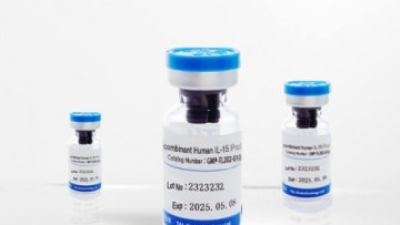
As interest in EGF applications grows, market trends indicate a steady increase in demand for high-quality recombinant EGF products. One such product is the GMP-TL613 model, which is currently in stock and adheres to Good Manufacturing Practices. The availability of this model represents a significant step towards providing researchers and clinicians with the tools they need to explore the therapeutic potential of EGF. By utilizing well-characterized EGF proteins, researchers can design experiments with more reliable outcomes, paving the way for breakthroughs in cell biology and therapy development. The market is poised for expansion as more studies validate the efficacy of EGF in enhancing cell growth and differentiation, ultimately influencing future clinical applications.
FAQS
: The right reagent ensures successful experiments and affects cell growth and survival.
Consider purity, sterility, essential nutrients, and specific cell line requirements.
Growth factors like amino acids, vitamins, and hormones are essential for cell proliferation.
They can lead to unreliable results, affecting the overall outcome of the research.
Check for certifications and quality control data from reliable suppliers.
Yes, serum alternatives can promote enhanced growth and minimize contamination risks.
They provide defined growth factors, ensuring consistency in cell cultures.
No, some require specific conditions; careful evaluation and experimentation are needed.
Document your findings to help refine your reagent selections in the future.
It minimizes the ethical issues associated with the use of animal-derived products.
Conclusion
In 2026, the selection of cell culture reagents is pivotal for researchers aiming to optimize cell growth and experimental outcomes. This overview highlights the critical components of cell culture, including the importance of choosing appropriate culture media, serum alternatives, and essential supplements that enhance cell viability and proliferation. Key factors in selecting these reagents center around their compatibility with specific cell types, the intended experimental goals, and overall cost-effectiveness.
Emerging technologies are also revolutionizing the landscape of cell culture reagents, enabling more efficient and effective research processes. By evaluating the latest innovations alongside traditional options, scientists can make informed decisions that elevate their work. A thorough understanding of these elements ensures that researchers are equipped to choose the highest quality cell culture reagents for their needs, fostering advancements in cellular studies and therapeutic developments.