In the fast-moving world of cell and gene therapy (CGT), you really can't overstate how important high-quality Cell Culture Reagents are. These little guys are the backbone of your experiments—they help keep your cells alive and working right in the lab. Choosing the right reagents can sometimes feel like searching for a needle in a haystack, but getting it right makes all the difference in how well your cells grow and perform. With the right know-how and tools in hand, researchers can really boost their chances of hitting those breakthroughs—pushing the boundaries of what’s possible in treatment development.
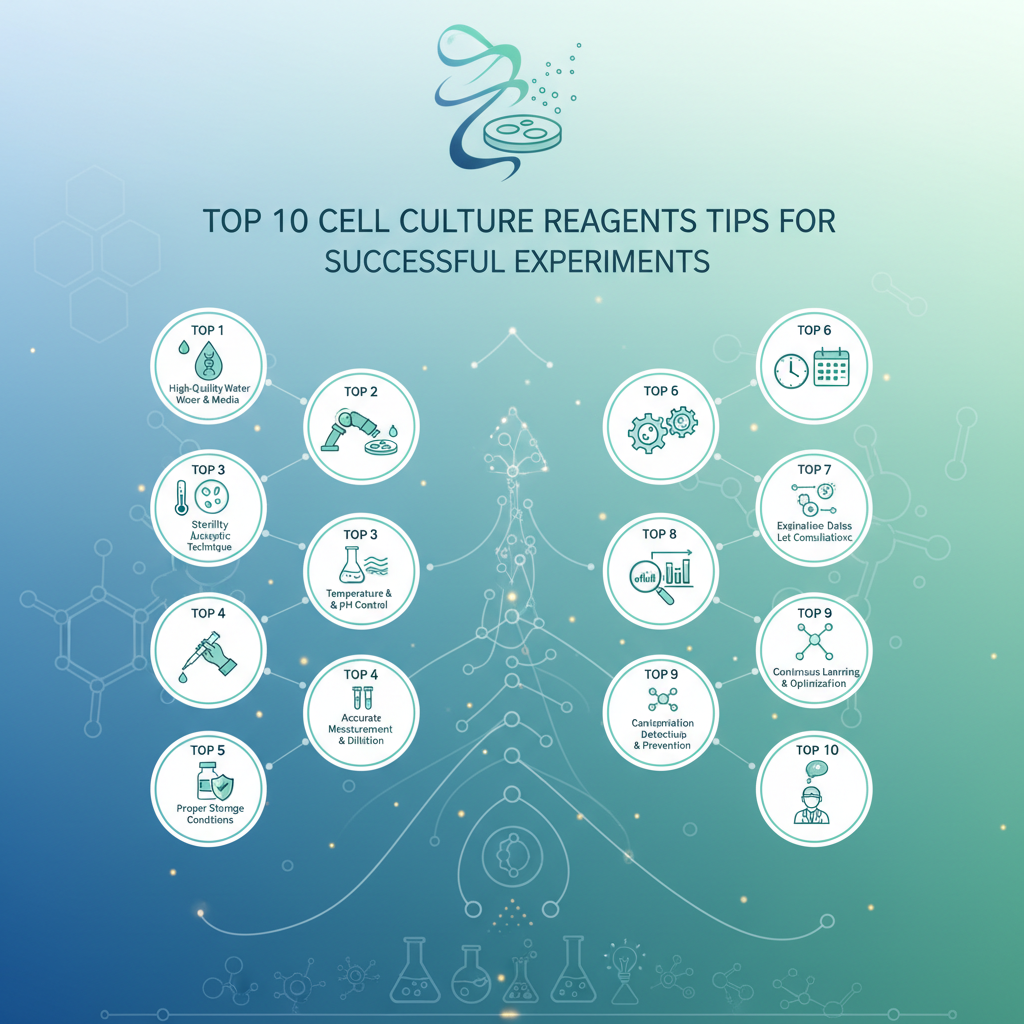
Here at T&L Biotechnology Co., Ltd., we’re all about developing top-notch upstream Gmp-Grade Raw Materials and reagents that are specifically tailored for CGT. We’re genuinely committed to providing comprehensive solutions for our clients in this space because we truly believe in the game-changing power of good cell culture practices. To help out, we’ve put together our top ten tips for making the most of your cell culture reagents. Our goal? To give researchers the insights they need to do their best work, ultimately advancing medical science and, hopefully, making a real difference in patients' lives.
Essential Cell Culture Media Composition for Optimal Growth Conditions
Cell culture media formulation is essential for achieving optimal growth conditions in various biopharmaceutical applications. Recent advancements highlight how tailoring the composition of these media can significantly impact cellular behavior, product yield, and overall experimental outcomes. For example, nutrient-limited chemostat cultures have been observed to drive cells towards specific metabolic states, offering insights into cellular adaptations that can influence research trajectories. This approach underscores the importance of understanding not only the basic components of a culture medium but also how those components interact under different growth conditions.
Moreover, with the rise of artificial intelligence in biological research, efforts to model and simulate the effects of bacterial growth on culture media pH have gained traction. Such studies indicate that precise control of media composition can mitigate pH fluctuations that may adversely affect cell viability and function. Additionally, employing Bayesian optimization for iterative experimental design has proven effective in accelerating media development. This technique facilitates the identification of optimal operational conditions, thus streamlining the formulation process and ensuring that cells receive the necessary nutrients for sustained growth and productivity.
Importance of Serum in Cell Culture: Selecting the Right Type and Source
In the realm of cell culture, serum selection is crucial for the success of experiments, particularly when working with human pluripotent stem cells (hPSCs). Fetal bovine serum (FBS) remains a popular choice due to its rich nutrient profile, which supports robust cell growth and maintenance. However, researchers must be cognizant of the variability in FBS batches, which can introduce inconsistencies in experimental outcomes. A recent analysis indicates that variations in serum composition can significantly affect cell behavior and reproducibility, emphasizing the need for standardized serum sources or alternatives.
As the demand for reproducibility intensifies, the adoption of serum-free media is gaining traction. Experts highlight that serum-free formulations can mitigate the inconsistencies seen with FBS, offering more controlled environments for cell growth. This transition not only aligns with ethical considerations related to animal-derived products but also promises enhanced control over the cellular microenvironment. Data shows that transitioning to serum-free systems can lead to improved cell differentiation and functionality, particularly in specialized applications such as the development of mucociliary phenotypes in epithelial cells. Thus, choosing the right media is not merely a technical decision but a foundational step towards advancing reliable and reproducible science.
The Role of pH and Temperature Control in Cell Culture Success
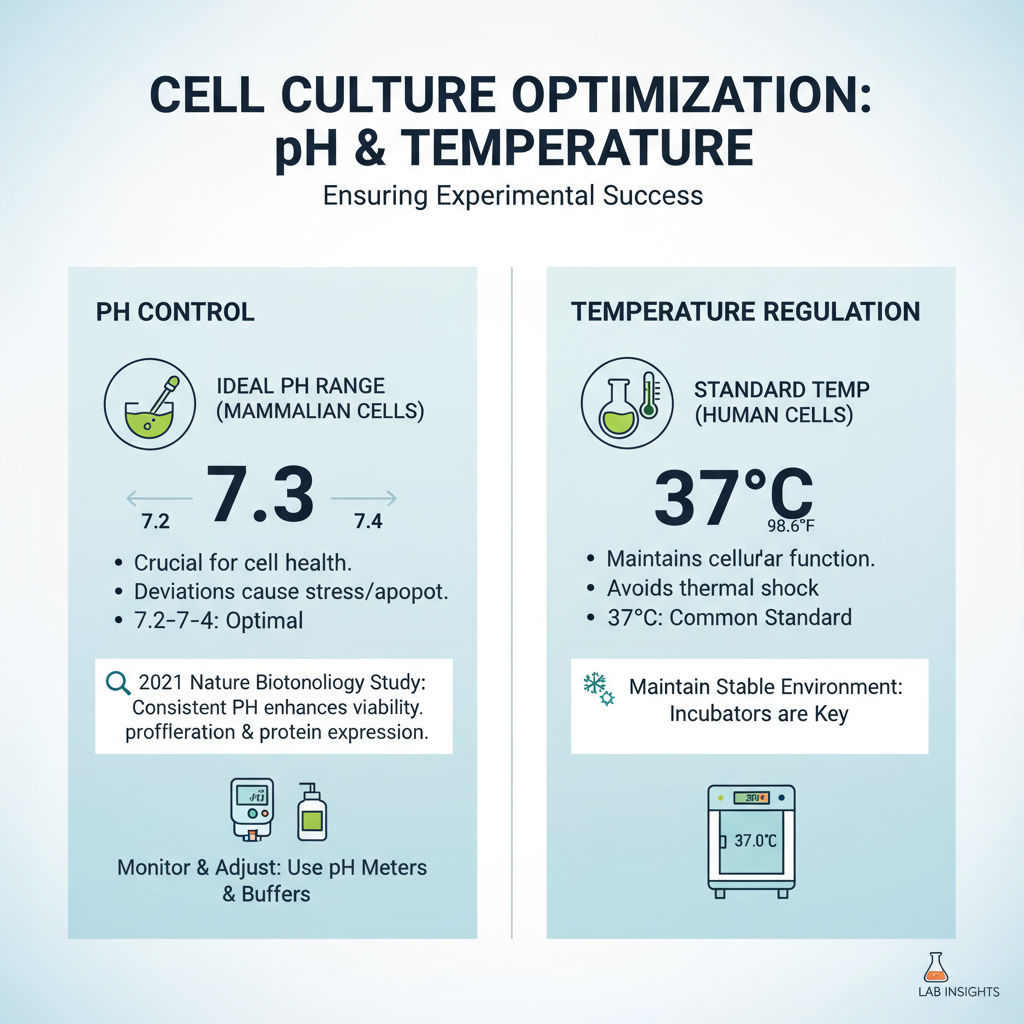
Maintaining optimal pH and temperature conditions is crucial for the success of cell culture experiments. Research indicates that a pH range of 7.2 to 7.4 is ideal for most mammalian cell types. Deviations from this range can lead to cellular stress or even apoptosis, impacting the reliability of experimental outcomes. A 2021 study published in *Nature Biotechnology* found that consistent pH levels significantly enhance cell viability, proliferation rates, and protein expression in cultured cells. This underscores the necessity for researchers to regularly monitor and adjust pH levels in their culture media, utilizing precise pH meters and buffers.
Temperature control is equally important, as most cultured cells thrive at a temperature of 37°C. A fluctuation of even a few degrees can induce stress responses that alter cell metabolism and disrupt experimental consistency. According to a report by the American Society for Cell Biology, maintaining strict temperature conditions not only supports higher cell growth rates but also improves the reproducibility of results. Researchers are recommended to use incubators with accurate temperature control and CO2 sensors to ensure that both pH and temperature remain within the parameters required for optimal cellular health and experimental integrity.
Common Contaminants in Cell Culture and Their Prevention Strategies
Cell culture is a cornerstone of modern biological research, but it is also fraught with challenges related to contamination. Common contaminants include bacteria, fungi, and mycoplasma, each capable of compromising experimental results. Bacteria can rapidly multiply, leading to altered cell behavior and skewed data. Fungal contamination, on the other hand, is often harder to detect until it has significantly affected cell viability. Furthermore, mycoplasma is particularly insidious as it can alter cell metabolism without causing noticeable changes in morphology, making it essential to routinely test for its presence.
Preventing contamination is critical for maintaining the integrity of cell cultures. One effective strategy is to maintain strict aseptic techniques during all handling procedures. This includes using sterilized equipment and reagents, as well as routinely disinfecting work surfaces. Additionally, regular monitoring of cell cultures for signs of contamination is vital; this can involve visual inspections and microbial testing. Incorporating antibiotics can also help, but researchers should be cautious as they might mask underlying issues rather than eliminate contaminants. Overall, awareness and proactive measures are key to sustaining healthy cell cultures and ensuring successful experimental outcomes.
Key Nutrients and Supplements for Maximizing Cell Viability and Proliferation
To achieve optimal cell viability and proliferation, researchers must prioritize the inclusion of key nutrients and supplements in cell culture media. A study published in the "Journal of Cell Science" highlights the importance of essential amino acids, specifically L-glutamine, which has been shown to enhance metabolic activity and cell growth rates by up to 30% when adequately supplied. Additionally, incorporating growth factors such as EGF (Epidermal Growth Factor) can significantly boost the proliferation of various cell types, as evidenced by findings from "Nature Biotechnology" that demonstrate a 50% increase in growth for certain epithelial cells.
Moreover, vitamins and minerals play a crucial role in maintaining cellular health. Reports indicate that the introduction of antioxidants like vitamin C can reduce oxidative stress and prolong cell longevity. Research published in "Cell Reports" indicates that supplementing with vitamin C can enhance cell survival rates by over 40% under stress conditions. Furthermore, trace elements such as selenium have been found essential for maintaining enzymatic functions critical for cell growth. By carefully selecting and optimizing these critical nutrients and supplements, researchers can create a more conducive environment for successful cell culture experiments.
Top 10 Cell Culture Reagents for Maximum Cell Viability and Proliferation
Choosing the Right Cell Culture Flask or Dish for Specific Cell Types
Choosing the right cell culture flask or dish is crucial for the successful growth and maintenance of specific cell types. According to the National Institutes of Health (NIH), the container's design can significantly affect cellular behavior and experimental outcomes. For instance, adherent cell lines, such as HEK293 and fibroblasts, require flat surfaces provided by standard tissue culture flasks or dishes. These surfaces are typically treated to enhance cell adhesion and spreading, which are vital for their proliferation and functionality. Reports indicate that proper surface treatment can increase cell attachment rates by over 30%, leading to more reliable experimental data.
For suspension cells, like lymphocytes or certain cancer cell lines, the choice of culture vessel is equally important. These cells thrive in spinner flasks or larger bioreactors, which allow for optimal mixing and oxygenation. A study published in the Journal of Cell Science noted that using spinner flasks can increase cell density and viability by up to 50%, compared to static cultures. Additionally, selecting dishes with specific coatings can further enhance growth characteristics tailored to unique cell types, such as poly-L-lysine for neuron cultures. This level of precision in choosing culture vessels underscores the importance of aligning the experimental design with cell type requirements to ensure replicable and valid research outcomes.
Monitoring Cell Health: Best Practices for Regular Assessment and Data Collection
Monitoring cell health is a critical component of successful cell culture experiments, as it directly impacts the reliability and reproducibility of research findings. The American Type Culture Collection (ATCC) emphasizes that regular assessment of cell viability should be a fundamental part of any experimental protocol. Techniques such as trypan blue exclusion, MTT assays, and flow cytometry provide quantitative insights into cell health, enabling researchers to detect early signs of cellular stress or contamination. According to a recent study published in the journal *Nature Biotechnology*, nearly 30% of published research results are compromised due to inadequate cell health monitoring, underscoring the need for rigorous assessment protocols.
Best practices for data collection during these assessments include establishing a consistent schedule for monitoring and documenting cell health indicators. Implementing automated data logging systems can enhance the accuracy and efficiency of this process. The International Cell Culture Society suggests that well-characterized cell lines and robust data management practices can improve the reproducibility of experiments by up to 50%. Furthermore, integrating statistical analysis software into data collection practices allows for more meaningful interpretations of cell behavior over time, leading to more impactful research outcomes.
Innovative Advances in T Cell Modulation: Exploring the Efficacy of Anti-Human CD28 mAb GMP-TL102 for Immunotherapy
The development of immunotherapy has sparked significant advances in the modulation of T cells, particularly through the use of monoclonal antibodies. One promising candidate in this arena is the anti-human CD28 monoclonal antibody, GMP-TL102. This product has been shown to enhance T cell activation and proliferation, thereby increasing the efficacy of immune responses against various malignancies. According to a report by Cancer Research UK, immunotherapies, including those targeting T cell pathways, are expected to account for 50% of cancer treatment options by 2030, highlighting the crucial role of innovations such as GMP-TL102 in shaping future therapeutic landscapes.
GMP-TL102 is currently in stock and represents a significant advancement in the field of T cell modulation. Initial studies have indicated that this antibody not only promotes T cell activation but also provides a synergistic effect when combined with other immunotherapies. A recent study published in the Journal of Immunology demonstrated that T cells primed with GMP-TL102 exhibited enhanced cytotoxic activity against tumor cells, suggesting its potential as a foundational agent in combination therapies. As the demand for effective treatments rises, GMP-TL102's role in harnessing T cell responses could mark a pivotal shift in how immunotherapy is approached, paving the way for improved patient outcomes.
The significance of GMP-TL102 extends beyond mere functionality; its ability to modulate immune responses signifies a breakthrough in the personalized treatment of cancers. With ongoing clinical trials and promising preliminary data, the adoption of anti-human CD28 mAb such as GMP-TL102 could become a key element in optimizing immunotherapy protocols, influencing not only the efficacy of treatment but ultimately, the survival rates of cancer patients. This paradigm shift in T cell modulation underscores the importance of continued research and development in this area.
FAQS
: Serum selection is crucial because it directly impacts cell growth and maintenance. Fetal bovine serum (FBS) is popular due to its nutrient profile, but variability in FBS batches can cause inconsistencies in experimental outcomes.
Serum-free formulations can reduce the inconsistencies associated with FBS, providing more controlled environments for cell growth, aligning with ethical considerations, and potentially improving cell differentiation and functionality.
Common contaminants include bacteria, fungi, and mycoplasma, which can alter cell behavior, viability, and experimental data. Mycoplasma is particularly dangerous as it can change cell metabolism without visible symptoms.
Effective strategies include maintaining strict aseptic techniques, using sterilized equipment, routinely disinfecting surfaces, monitoring for signs of contamination, and considering the cautious use of antibiotics.
Key nutrients include essential amino acids like L-glutamine, growth factors such as EGF, vitamins like vitamin C, and trace elements such as selenium, all of which contribute to improved cell health and growth.
L-glutamine enhances metabolic activity and can increase cell growth rates by up to 30% when adequately supplied.
Vitamin C acts as an antioxidant, reducing oxidative stress and potentially improving cell survival rates by over 40% under stress conditions.
Regular monitoring is crucial to catch and address contamination early before it significantly affects cell viability and experimental outcomes.
Yes, antibiotics can help control contamination, but they should be used cautiously as they might only mask underlying issues instead of eliminating the contaminants.
Trace elements like selenium are essential for maintaining enzymatic functions that are critical for cell growth.
Conclusion
In the pursuit of successful cell culture experiments, understanding the importance of Cell Culture Reagents is paramount for researchers. Key aspects include optimizing the composition of cell culture media to ensure optimal growth conditions and selecting the appropriate serum type and source that can significantly influence cell behavior. Furthermore, maintaining proper pH and temperature control is essential for achieving consistent results. Researchers should also be vigilant about common contaminants and implement effective prevention strategies to safeguard their cultures.
Additionally, incorporating key nutrients and supplements can maximize cell viability and proliferation, while the choice of cell culture flasks or dishes is crucial for accommodating specific cell types. Regular monitoring of cell health through best practices in assessment and data collection ensures experimental integrity. At T&L Biotechnology Co., Ltd., our focus on upstream GMP-grade raw materials and reagents for cell and gene therapy bolsters researchers' ability to achieve these goals, thereby enhancing overall outcomes in cell culture applications.