Leave Your Message
You know, the pace at which Cell Culture Solutions are evolving has really picked up traction, especially in areas like Stem Cell research and regenerative medicine. I mean, if you look at the latest rEports, the global cell culture market is expected to hit around$4.7 billion by 2025, growing at a pretty solid rate of about 9.4% annually between 2020 and 2025. That’s pretty impressive and honestly signals just how much demand there is for cutting-edge tech, like 3D culture systems and new stem cell uses. Companies such as T&L Biotechnology are really leading the charge here, focusing on developing GMP-grade raw materials and reagents that are crucial for cell and gene therapies. They offer a pretty wide range of products and services tailored specifically for CGT, which is huge for boosting the effectiveness and reliability of cell culture methods. All of this is paving the way for some exciting breakthroughs in therapies and, ultimately, better outcomes for patients.
You know, the rise of 3D cell culture techniques has truly shaken up the world of regenerative medicine. It’s like a game-changer, especially since these new methods can do things that old-school 2D cultures just can't match. In 2023, more and more researchers are turning to 3D models because they mimic the real conditions inside our bodies a lot better. These 3D environments let cells interact more naturally, improve how nutrients spread around, and help cells develop and specialize more realistically—things that are super important when you're studying stem cells or trying to engineer tissues.
On top of that, these 3D techniques are becoming vital for drug testing and disease studies. Because they create such close-to-life conditions, scientists can actually see how cells respond to treatments in a way that feels way more authentic. This leads to this exciting possibility of personalized medicine—where treatments are customized based on how an individual's cells react. And with the advent of bioprinting, we're able to craft pretty complex tissue structures that look a lot like real organs. All in all, this evolution in cell culture technology kind of opens up a ton of new doors for regenerative medicine, making us hopeful about what’s ahead in research and therapies.
| Trend | Description | Impact on Regenerative Medicine | Future Potential |
|---|---|---|---|
| Personalized Medicine | Utilization of patient-specific stem cells for targeted therapies. | Improves treatment efficacy through personalized cell therapies. | High, as therapies align closely with individual patient profiles. |
| 3D Bioprinting | Printing complex tissue structures using living cells. | Facilitates the creation of functional tissues for transplantation. | Enormous, with potential for organ regeneration and repair. |
| Organoids | Miniature, simplified organs grown in vitro for research. | Enhances drug testing and disease modeling. | High, leading to advances in disease understanding and treatment. |
| Microfluidics | Study of cells in controlled microenvironments. | Allows for precise control of stem cell differentiation. | Promising, for enabling new discoveries in cell behavior. |
| Biomaterials | Development of materials that support cell growth. | Improves scaffold properties for enhanced tissue regeneration. | Significant, further advancing regenerative therapies. |
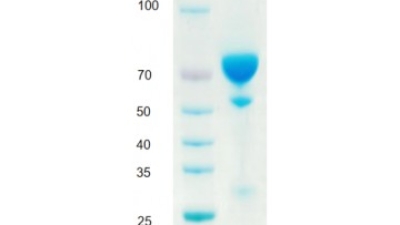
The GMP-TL778 anti-human CD137 monoclonal antibody (mAb) has emerged as a promising therapeutic candidate in the field of immunotherapy, particularly for its potential to enhance T cell proliferation and cytokine production. By targeting CD137, a co-stimulatory molecule found on T cells, GMP-TL778 plays a pivotal role in modulating immune responses. Research indicates that effective engagement of CD137 can significantly promote T cell activity, leading to improved antitumor effects. For instance, a study published in the Journal of Immunology reported that engagement of CD137 resulted in a twofold increase in T cell proliferation and a substantial rise in key cytokines, such as IFN-γ and IL-2, which are crucial for effective immune responses.
Furthermore, the relevance of CD137 targeting is underscored by its role in various cancers, where the upregulation of this molecule correlates with disease progression and poor prognosis. The ability of GMP-TL778 to facilitate enhanced cytokine production provides a dual advantage: not only does it augment T cell activation, but it also fosters a favorable immune environment for sustained antitumor activity. According to a market analysis by MarketsandMarkets, the global cancer immunotherapy market is expected to reach USD 100 billion by 2025, emphasizing the growing interest in agents like GMP-TL778 that fundamentally alter the dynamics of immune interactions.
With GMP-TL778 currently in stock and ready for clinical application, ongoing studies are poised to assess its efficacy further. The potential to harness the body's immune system through targeted therapies opens new avenues for cancer treatment, marking a significant advancement in immunotherapeutic strategies aimed at leveraging T cell responses.
: The induced pluripotent stem cells production market is expected to grow from USD 1.7 billion in 2025 to USD 4.4 billion by 2035, with a compound annual growth rate (CAGR) of 9.5%.
The global stem cell therapy sector is anticipated to reach USD 78.39 billion by 2032, propelled by a remarkable CAGR of 22.8% starting from 2025.
Advancements in technology and a better understanding of stem cell applications in regenerative medicine are driving the growth of the stem cell technologies market.
Organoids are miniaturized, simplified versions of organs derived from stem cells or tumor tissues, first developed in 2009 through the work of Hans Clevers.
The global organoid market is projected to reach approximately $1.4 billion by 2026, driven by applications in oncology, neurobiology, and drug discovery.
Organoids are used to create patient-specific models for studying complex diseases, such as pancreatic cancer, and for testing drug efficacy and understanding mechanisms of drug resistance.
Organoids provide a more physiologically relevant environment for studying human diseases, offering insights that traditional 2D cultures and animal models cannot provide.
Recent studies have shown organoids to be useful in simulating brain development and diseases such as Parkinson's and Alzheimer's, paving the way for novel therapeutic approaches.
As organoids continue to evolve, they are expected to redefine the landscape of personalized medicine by providing critical insights for developing tailored therapeutic strategies.
Organoid technology allows for testing drug efficacy in a more realistic setting, as they replicate the characteristics of real organs, which enhances the relevance of drug discovery processes.
You know, as regenerative medicine keeps evolving, 2023 has really been a standout year for some pretty exciting innovations in cell culture solutions—especially with all the buzz around 3D cell culture techniques. It’s really driven by the growing hype around stem cell tech, which is expected to hit some major milestones by 2025. One of the cool advances has been in bio-ink development, which has made 3D cultures way more precise, helping us better mimic what's happening inside the body. And let’s not forget organoids—they’re becoming such powerful tools for studying diseases and testing new drugs, which is pretty impressive when you think about how versatile they are.
On top of that, AI is really shaking things up in stem cell research. It’s making cell culture workflows smoother and more efficient—kind of like having a really smart assistant in the lab. Here at T&L Biotechnology Co., Ltd., we’re all in on supporting these exciting changes by providing top-quality, GMP-grade raw materials and reagents. Our goal? To help researchers push boundaries in cell and gene therapies. We’re committed to offering comprehensive products and services because we truly believe they’re key to shaping the future of cell culture technology.