Lately, the biotech world has really been buzzing with new techniques and materials, especially in the area of cell and Gene Therapy (CGT). 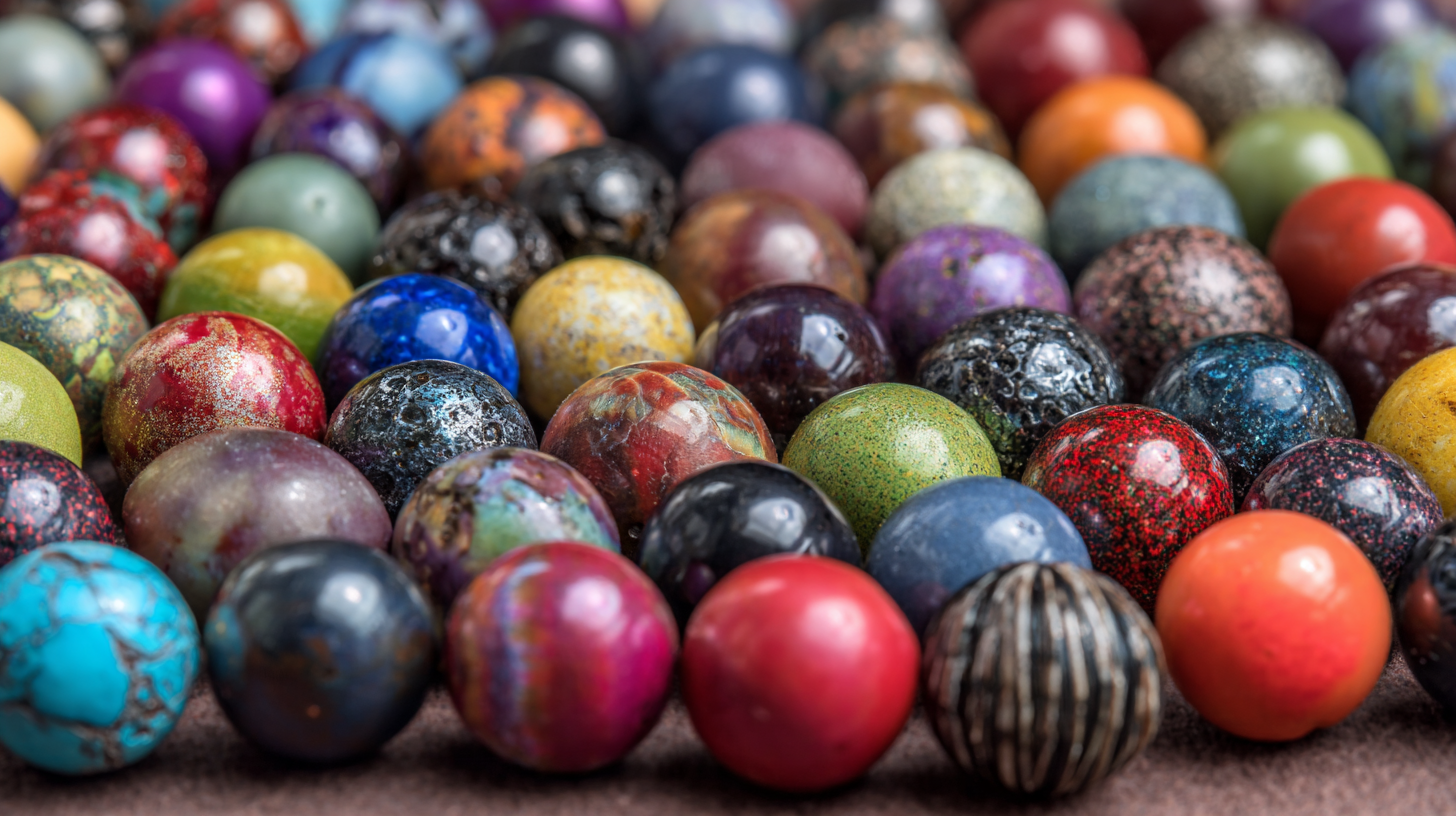 T&L Biotechnology Co., Ltd. is right in the thick of it, leading the charge in developing Gmp-Grade Raw Materials and reagents that are key to pushing CGT applications forward. You know, while traditional Magnetic Beads have been pretty much the go-to tool in molecular biology for their ability to separate biomolecules easily, there's now a growing call for more unique options that can do even more and work more efficiently. Industry reports suggest that by 2025, the global market for bioprocessing materials—including those used with Magnetic Beads—could hit over $20 billion. That really shows how much the field is leaning towards innovative solutions. As we explore some of these alternative options to Magnetic Beads, we’re likely to stumble upon some pretty creative ideas that might just change the game in this fast-paced biotech scene.
Exploring the Benefits of Non-Magnetic Alternatives for Creative Applications
When it comes to making creative projects, magnetic beads have pretty much been a go-to for crafters and DIY lovers for ages. But honestly? Trying out non-magnetic options can really open up a whole new world of possibilities, both in terms of style and function. Things like wooden beads, fabric pom-poms, or polymer clay pieces bring in a wider variety of textures and colors, which can make your projects way more eye-catching and fun to work on.
Here's a little tip: When you're picking non-magnetic materials, think about the vibe you want and how sturdy the final piece needs to be. For example, wooden beads give off that natural, earthy look that’s perfect if you’re into eco-friendly crafts. On the other hand, polymer clay is super versatile—endless colors and shapes, so you can really customize your project exactly how you want.
Plus, playing around with these materials can actually boost your creativity. They push you to think outside the box rather than sticking to the usual stuff. Mixing different elements—like combining beads with string art or adding fabrics or paper—can lead to some really stunning results.
And a tip? Don’t be afraid to layer different non-magnetic pieces in your design. It adds depth and makes your work more visually interesting, really helping it stand out and give your project that awesome, unique touch.
A Deep Dive into the Top Alternative Materials for Magnetic Beads
As the world of creative projects keeps growing, people looking for cool and unique materials are starting to move away from the usual magnetic beads. I mean, a recent report from Grand View Research shows that the global craft supplies market is expected to hit around $51.2 billion by 2025! That just goes to show how much interest there’s now in all kinds of crafting options. Because of this trend, new alternatives have been popping up—stuff like polymer clay, which is super versatile. You can play around with textures and colors, making each project totally your own and one-of-a-kind.
Another option that’s gaining popularity is self-adhesive hooks and closures. They can actually stand in for magnetic beads when you're designing jewelry. A survey from the Craft Industry Alliance found that about 78% of crafters are now exploring practical materials that boost usability without killing the creativity vibe. These new options aren’t just handy—they’re also more eco-friendly, since many are made from sustainable materials. Embracing these trendy alternatives can open up so many fresh ways to express yourself artistically. It’s pretty exciting to see how creativity can thrive even without sticking to the traditional tools we’re used to.
Case Studies: Successful Projects Using Unique Non-Magnetic Solutions
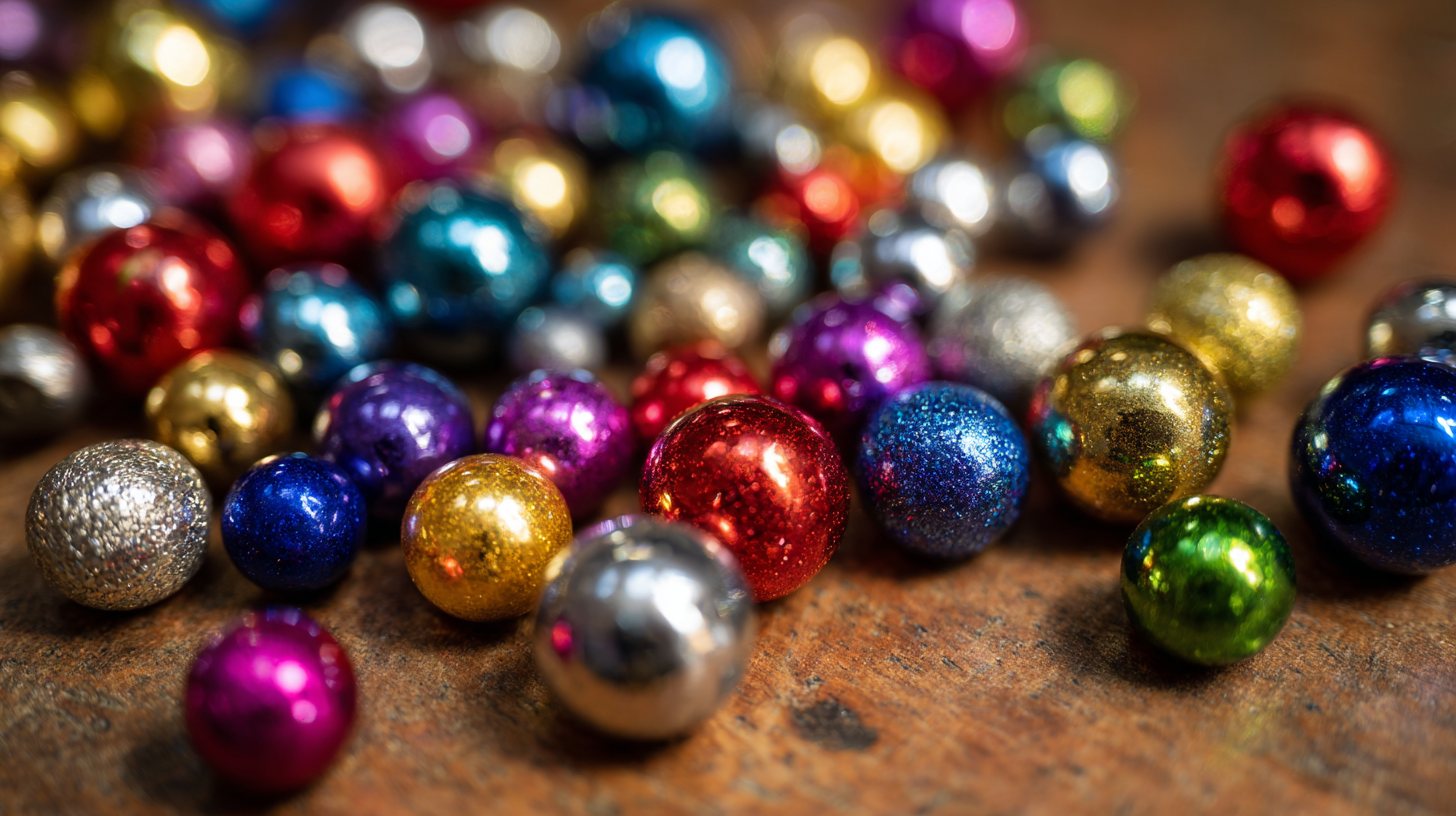
When you're diving into creative projects, trying out materials beyond the usual can really spark something special. A great example of this is artists using all kinds of quirky non-magnetic solutions in their work. Switching things up with unconventional materials isn’t just about standing out—it can make the art feel more emotionally charged and visually interesting too. For example, some artists incorporate biodegradable stuff or natural fibers, which not only give their work a unique look but also tell a story about sustainability and caring for the planet. It’s like the art becomes a statement on its own, beyond the visual aesthetic.
There are plenty of cases that show just how powerful these inventive approaches can be. One project, for example, involved artists teaming up with scientists to blend renewable energy ideas into their art—think solar panels or wind tech integrated into installations. Not only was it super eye-catching, but it also got people talking about climate change and the future of energy. Then there’s this other cool example: decorative pieces made from recycled stuff, which proves that upcycled art can be both beautiful and meaningful, spreading messages about recycling and waste reduction. These kinds of projects really demonstrate how using non-traditional, innovative materials can shake things up in the art world and inspire others to think outside the box.
Comparative Analysis: Performance of Magnetic Beads vs. Unique Alternatives
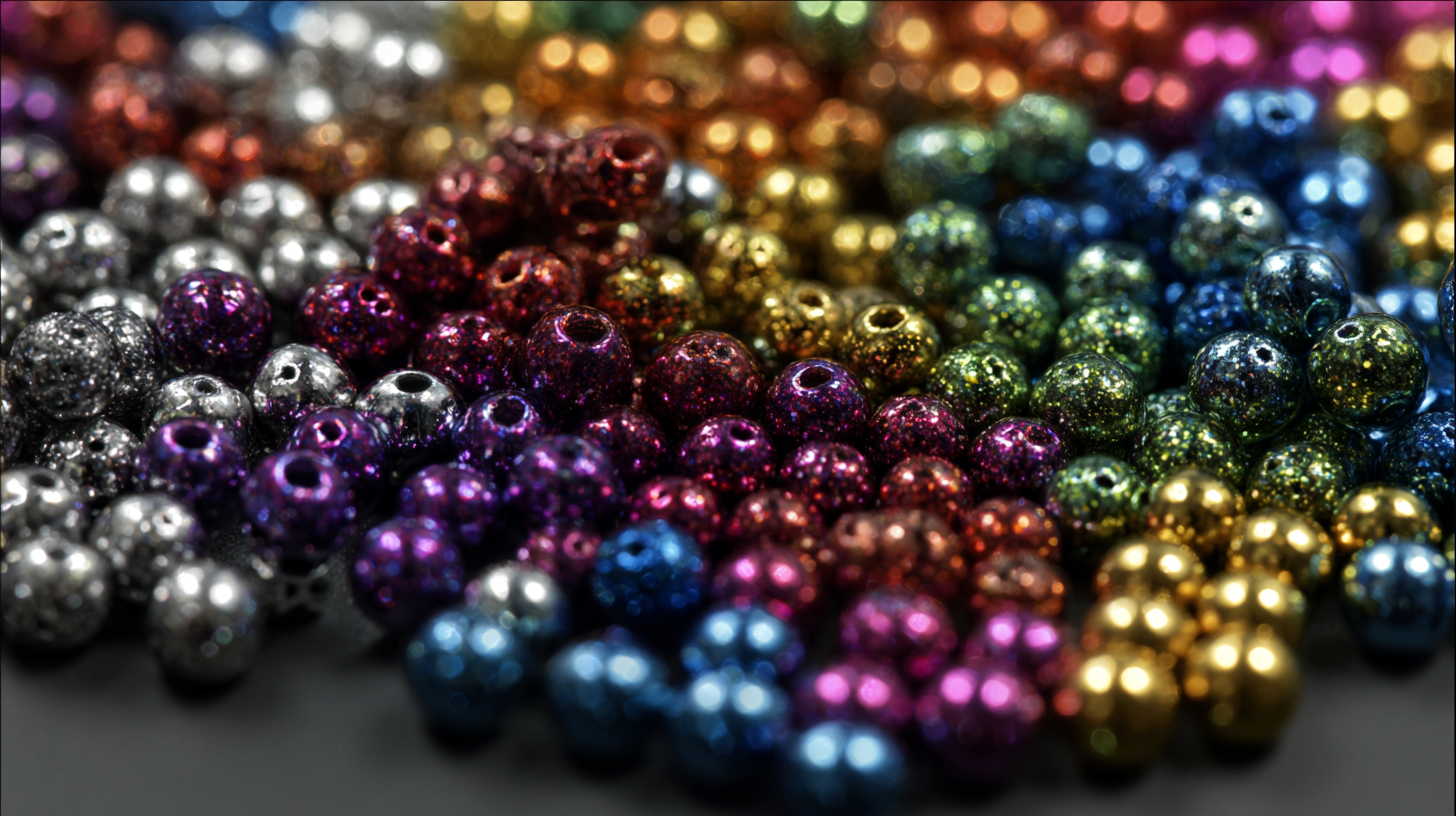
When it comes to pushing forward in cell and gene therapy (CGT), the tools we choose can really make a difference in our results. For years, traditional magnetic beads have been kinda the go-to, especially for things like sample cleanup and isolating cells. But lately, there's been a buzz about trying out some newer, more unique alternatives that might give us better performance and more flexibility for our innovative projects. These could be anything from new biomaterials to cutting-edge particle tech, all aimed at improving how these tools bind to targets and boosting recovery rates—which is a big deal for both research and clinical work.
Looking at the comparisons, it’s clear that while magnetic beads are super convenient and quick, these alternative options might actually deliver better specificity—especially when they’re customized for specific biomolecular interactions. That’s pretty exciting for companies like T&L Biotechnology Co., Ltd., which specializes in GMP-grade raw materials for CGT. By jumping into the development of these new tools, we can broaden what we offer to our customers and help ensure they get the most effective solutions for their research and therapies. It’s all about staying curious and constantly exploring new options—because that’s what drives real innovation in biotech, right?
Comparative Performance Analysis: Magnetic Beads vs. Unique Alternatives
Emerging Trends in Crafting: The Rise of Innovative Materials Over Magnetic Beads
You know, in the crafting world these days, there's definitely a shift happening. Folks are moving away from the traditional magnetic beads and exploring some pretty cool, innovative materials instead. I read a recent industry report by IBISWorld, and it turns out that the market for these creative supplies has been growing at nearly 10% a year over the past five years. A big chunk of that growth comes from people diving into alternative crafting materials—things like eco-friendly biodegradable parts or high-tech conductive fabrics. These options really hit it off with both the environmentally conscious crowd and those into techy, modern crafts.
On top of that, we’re seeing some exciting trends popping up. For instance, customized stuff like 3D-printed pieces or smart materials that actually react to their surroundings are gaining popularity. A survey from GlobalData shows that about 65% of crafters are looking for more versatility and personalization—they want projects that are unique and tailored to them. With more folks caring about sustainability and wanting to get creative, it looks like the crafting scene is about to go through some pretty awesome changes. It’s not just about making stuff anymore; it’s about making it meaningful and aligned with what we stand for today.
Expert Insights: Industry Leaders Share Thoughts on Alternative Bead Solutions
When it comes to creative projects, magnetic beads have pretty much been a go-to for ages. But lately, experts from different fields are tossing around some pretty cool alternatives that might totally change how we approach crafting and designing stuff. At the Fiber Connect 2025 conference, they really stressed the importance of checking out a variety of materials. They showed how industries can benefit from exploring unique options like bio-based polymers and custom 3D-printed parts. Not only do these choices help boost creativity, but they also support sustainability — which more and more folks, whether they're consumers or creators, are really into these days.
Here's a little tip: when you're thinking about using different materials, consider how the textures and weights might influence your project's overall look. For example, natural fibers can give your work a kinda rustic vibe, while metallic bits add a sleek, modern touch.
Another interesting trend that’s popping up is using composite materials—things that mix functionality with style. The experts highlighted how these can be customized to fit specific design goals, all while being tough enough to perform well in different uses. This kind of flexibility really opens up new possibilities for artists and designers who want to push boundaries and get creative.
And here’s a little tip for you: don’t be afraid to layer different materials to craft cool effects. Mixing and matching can really make your work stand out, especially in today’s super crowded market.
Exploring Unique Alternatives to Magnetic Beads: Innovative Options for Creative Projects
| Alternative Option | Material | Best Use Case | Advantages | Considerations |
| Natural Stone Beads | Stone | Jewelry Making | Aesthetic appeal, durability | Weight can vary |
| Wooden Beads | Wood | Craft Projects | Lightweight, eco-friendly | May require sealing |
| Glass Beads | Glass | Decorative Items | Variety of colors, smooth finish | Fragile, heavier |
| Resin Beads | Resin | Arts & Crafts | Highly customizable, durable | Can be less eco-friendly |
| Clay Beads | Clay | Children's Crafts | Light, easy to shape | Less durable compared to harder materials |
Unlocking Immunological Potential: The Role of GMP-Grade CD4 Beads in Advanced Cellular Therapies and Research Insights
The realm of cellular therapies is experiencing a transformative phase, driven largely by advances in immunological research. Among these innovations, GMP-Grade CD4 beads have emerged as pivotal tools in optimizing the efficacy of therapeutic applications. These high-quality beads, such as the GMP-TL623 model, are designed to provide robust insights into immune responses, enabling researchers and clinicians to unlock the full potential of CD4 T cells in both laboratory settings and clinical practices.
GMP-Grade CD4 beads facilitate the precise isolation and characterization of CD4+ T cells, critical players in the immune system's defense mechanisms. The stringent Good Manufacturing Practices (GMP) associated with the GMP-TL623 model guarantee that researchers obtain reliable and reproducible results, which are essential for advancing cellular therapies. By utilizing these beads, scientists can explore targeted interventions that harness the power of CD4 T cells, ultimately leading to more effective treatments for a wide range of diseases.
This innovative technology not only enhances the quality of cellular therapies but also opens new avenues for research. The integration of GMP-Grade CD4 beads into experimental workflows aids in uncovering complex immunological interactions and responses. As the field moves forward, the contributions made by robust tools like the GMP-TL623 model underscore the importance of quality and precision, offering a promising perspective on the future of immunotherapy and cellular research.
FAQS
: The crafting industry is seeing a shift towards innovative materials like eco-friendly biodegradable components, high-tech conductive fabrics, and customizable materials such as 3D-printed elements and smart materials.
A survey indicates that 65% of crafters are seeking versatility and personalization in their projects, which is driving demand for innovative alternatives that prioritize sustainability and creativity.
Magnetic beads, once a staple in crafting, are being overshadowed by innovative alternatives that offer enhanced creativity and align with contemporary values of sustainability.
Experts suggest that exploring diverse materials, such as bio-based polymers and customizable 3D-printed components, can revolutionize crafting and enhance both creativity and sustainability.
Consider how different textures and weights can affect the final look of your project, and experiment with layering various materials to create unique effects.
Composite materials blend functionality with aesthetics, allowing artists and designers to tailor materials to specific design goals while ensuring robust performance.
The market for creative materials has grown nearly 10% annually over the last five years, largely attributed to the rise of alternative crafting supplies.
Consumers are increasingly prioritizing sustainability and creativity, pushing the crafting industry towards innovative solutions that reflect these values.
Layering materials can create unique visual effects and help projects stand out in a competitive market, enhancing the overall aesthetic appeal.
Technologies like 3D printing and smart materials are becoming popular, providing crafters with customizable options that can respond to environmental factors.
Conclusion
Hey, in our blog post titled "Exploring Cool Alternatives to Magnetic Beads: Creative Options You Might Not Have Seen Before," we take a closer look at some pretty amazing non-magnetic options that can really make your creative projects stand out. We go through the top alternative materials, pointing out what makes them special and why they might even beat traditional magnetic beads in certain situations. Plus, there are some really interesting case studies showing how people have successfully used these innovative materials, along with side-by-side comparisons of performance. It’s pretty eye-opening to see how, in some cases, these alternatives can actually outperform magnetic beads!
Lately, there’s been a bit of a buzz in the crafting world about trying out new, more versatile materials — it feels like people are moving away from just sticking with magnetic beads and exploring other options. Industry leaders are sharing their thoughts on where bead solutions are headed, which is super inspiring for creators looking to push the boundaries. Exploring these new options really highlights how important it is to stay flexible and open to innovation in our projects. And honestly, it totally aligns with what we’re all about at T&L Biotechnology Co., Ltd. — always on the lookout for new materials that can power next-gen solutions, especially in fields like cell and gene therapy.