




0102030405

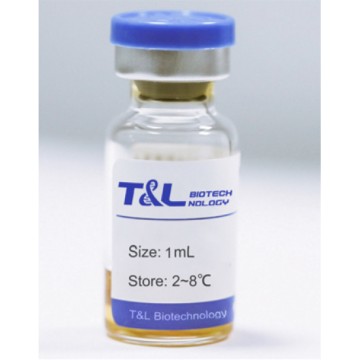
GMP-TL112 Anti-Human CD20 mAb for B Cell Apoptosis - Trusted China Suppliers and Factory Available
CD20 is a specific signature molecule on the surface of B lymphocytes and is expressed on more than 95% of normal or malignant B lymphocytes. There is no expression of CD20 antigen in hematopoietic stem cells, progenitor cells, and other normal tissues. It consists of 297 amino acids with a molecular weight of 33 kD. CD20 has no internalization or cell surface shedding after binding with anti-CD20 mAb, which is an ideal antigen in the treatment of B lymphocyte-related diseases. Anti-CD20 mAb can kill most of the lymphoma cells expressing CD20 molecules and normal B cells. Innate normal B cells are not affected by anti-CD20 mAb and can reconstruct B cell population. Therefore, anti-CD20 monoclonal antibodies are increasingly used in the treatment of B cell-related diseases.
High Specificity
Expressed on more than 95% of normal or malignant B lymphocytes, with no expression in hematopoietic stem cells, progenitor cells, and other normal tissues.
Ideal Target Structure
Consists of 297 amino acids (33 kD) and features no internalization or cell surface shedding after binding with anti-CD20 mAb.
Cell Reconstruction
Innate normal B cells are completely unaffected by anti-CD20 mAb therapy, allowing them to fully reconstruct the B cell population.
Frequently Asked Questions
Q: What is CD20 and where is it located?
CD20 is a specific signature molecule located on the surface of B lymphocytes. It is expressed on over 95% of normal or malignant B lymphocytes.
Q: Is CD20 expressed in normal tissues or stem cells?
No, there is no expression of the CD20 antigen in hematopoietic stem cells, progenitor cells, or other normal tissues, making it a highly specific target.
Q: What are the molecular characteristics of CD20?
CD20 consists of 297 amino acids and has a molecular weight of approximately 33 kD.
Q: Why is CD20 considered an ideal target for monoclonal antibodies?
CD20 does not undergo internalization or cell surface shedding after binding with anti-CD20 mAb, which makes it an ideal antigen for targeted therapies.
Q: How does anti-CD20 mAb treatment affect the B cell population?
While anti-CD20 mAb kills most lymphoma cells and normal B cells, innate normal B cells are not affected and can successfully reconstruct the B cell population.