

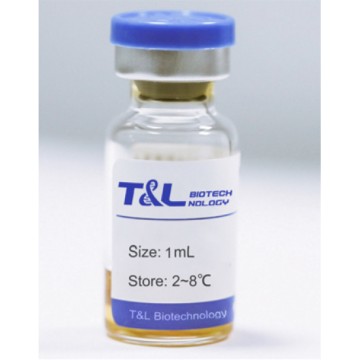
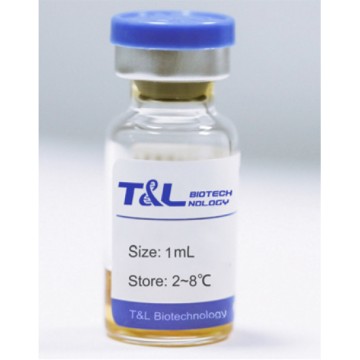
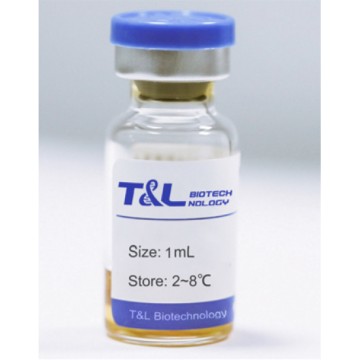
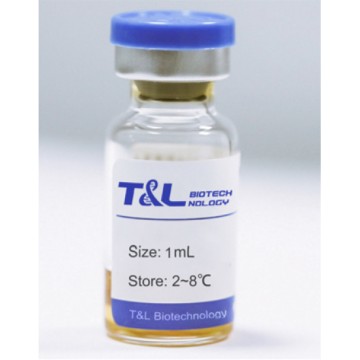

Recombinant Human IL-21 Protein - GMP-TL509 | Trusted China Suppliers & Factory for Quality Biotech Products
IL-21 is a pleiotropic cytokine produced by CD4+ T cells in response to antigenic stimulation. Its action generally enhances antigen-specific responses of immune cells.
Biological Effects of IL-21
Inducing the differentiation of T-cell-stimulated B-cells into plasma cells and memory B-cells.
The stimulation of IgG production in conjunction with IL-4.
The induction of apoptotic effects in naïve B-cells and stimulated B-cells in the absence of T-cell signaling.
IL-21 promotes the anti-tumor activity of CD8+ T-cells and NK cells.
IL-21 Receptor & Signaling Pathway
IL-21 exerts its effect through binding to a specific type I cytokine receptor, IL-21R, which also contains the γ chain (γc) found in other cytokine receptors, including IL-2, IL-4, IL-7, IL-9 and IL-15.
The IL-21/IL-21R interaction triggers a cascade of events:
Frequently Asked Questions (FAQ)
IL-21 is a pleiotropic cytokine produced by CD4+ T cells in response to antigenic stimulation.
IL-21 induces the differentiation of T-cell-stimulated B-cells into plasma cells and memory B-cells, and stimulates IgG production in conjunction with IL-4.
In the absence of T-cell signaling, IL-21 induces apoptotic effects in both naïve B-cells and stimulated B-cells.
The γ chain (γc) found in IL-21R is also shared with other cytokine receptors, including IL-2, IL-4, IL-7, IL-9, and IL-15.
The interaction triggers a cascade that activates the tyrosine kinases JAK1 and JAK3, followed by the activation of transcription factors STAT1 and STAT3.