
Leave Your Message

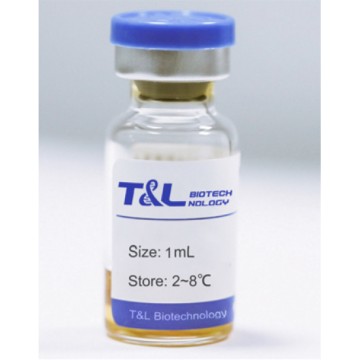
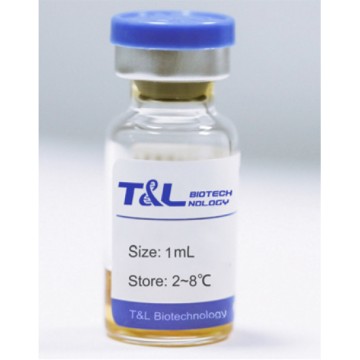
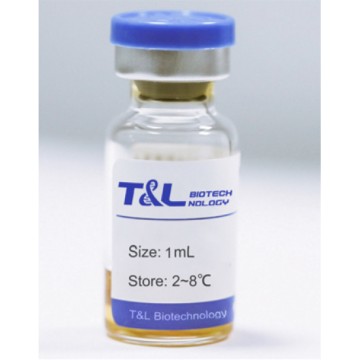
Recombinant Human SCF Protein - GMP-TL504 from Leading China Suppliers and Factory, In Stock

Discover the GMP-TL504 model, a high-quality product available now from leading China suppliers. Our factory ensures that each item meets rigorous standards for excellence. With stock readily available, you can trust us to deliver the reliability and performance you need. Invest in the GMP-TL504 today to experience the superior craftsmanship that sets China manufacturing apart.

    Introduction to Stem Cell Factor (SCF)

    Stem Cell Factor, also known as SCF, kit-ligand, KL, steel factor, KITLG, FPH2, KL-1, Kitl, MGF, SCF, SF, or SHEP7, is a dimeric molecule that exerts its biological functions by binding to and activating the receptor tyrosine kinase c-Kit.

    Receptor Activation & Signaling Pathway

    Activation of c-Kit leads to its autophosphorylation and initiation of signal transduction. Signaling proteins are recruited to activated c-Kit by certain interaction domains that specifically bind to phosphorylated tyrosine residues in the intracellular region of c-Kit. Binding of SCF to C-kit induces receptor dimerization and autophosphorylation of tyrosine residues in the cytoplasmic domain. Tyrosine phosphorylation initiates multiple signaling pathways including RAS, PI3 kinase, Src, and JAK/STAT.

    Cellular Functions & Medical Applications

    Differentiation & Stemness

    SCF is a versatile factor in the differentiation of many specific cell types like spermatogonial stem cells and megakaryocyte progenitors. Apart from differentiation, SCF also can maintain stemness in cells.

    Clinical & Regenerative Studies

    For clinical application, SCF is used in combination with other cytokines to generate myeloid-derived suppressor cells from human umbilical cord blood. SCF is also used to generate T cells for cell-based therapies, drug screening and disease modeling. In regenerative studies, SCF is applied in wound healing hydrogel as a means of increasing its adhesion strength and tissue regeneration.

    Frequently Asked Questions

    What are the alternative names for Stem Cell Factor (SCF)?

    Stem Cell Factor is also commonly referred to as SCF, kit-ligand, KL, steel factor, KITLG, FPH2, KL-1, Kitl, MGF, SF, or SHEP7.

    How does SCF initiate receptor activation?

    SCF binds to and activates the receptor tyrosine kinase c-Kit. This binding induces receptor dimerization and the autophosphorylation of tyrosine residues in the cytoplasmic domain, which recruits specific signaling proteins to initiate signal transduction.

    Which signaling pathways are triggered by SCF binding?

    Tyrosine phosphorylation triggered by SCF binding initiates multiple key downstream signaling pathways, including RAS, PI3 kinase, Src, and JAK/STAT.

    What roles does SCF play in cell development?

    SCF acts as a versatile factor in the differentiation of specific cell types, such as spermatogonial stem cells and megakaryocyte progenitors, and is also capable of maintaining stemness in cells.

    How is SCF utilized in clinical applications and therapies?

    SCF is combined with other cytokines to generate myeloid-derived suppressor cells from human umbilical cord blood. Additionally, it is used to generate T cells for cell-based therapies, drug screening, and disease modeling.

    What is the application of SCF in regenerative medicine?

    In regenerative research, SCF is incorporated into wound healing hydrogels to enhance their adhesion strength and promote tissue regeneration.