
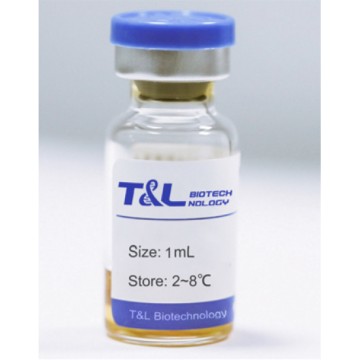
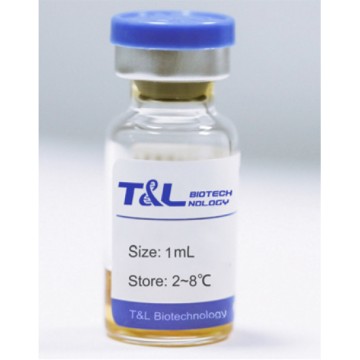
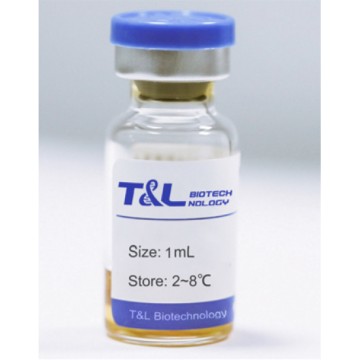

Recombinant Human SCF Protein Suppliers in China - GMP-TL504 from Leading Factory
Stem Cell Factor (SCF), also known as kit-ligand, KL, steel factor, KITLG, FPH2, KL-1, Kitl, MGF, SF, or SHEP7, is a dimeric molecule that exerts its biological functions by binding to and activating the receptor tyrosine kinase c-Kit.
Mechanism of Action & Signaling Pathways
Receptor Activation
Activation of c-Kit leads to its autophosphorylation and initiation of signal transduction. Signaling proteins are recruited to activated c-Kit by certain interaction domains that specifically bind to phosphorylated tyrosine residues in the intracellular region of c-Kit.
Dimerization & Pathways
Binding of SCF to C-kit induces receptor dimerization and autophosphorylation of tyrosine residues in the cytoplasmic domain. Tyrosine phosphorylation initiates multiple signaling pathways including RAS, PI3 kinase, Src, and JAK/STAT.
Biological Functions & Applications
Differentiation & Stemness
SCF is a versatile factor in the differentiation of many specific cell types like spermatogonial stem cells and megakaryocyte progenitors. Apart from differentiation, SCF also can maintain stemness in cells.
Clinical & Regenerative Uses
For clinical application, SCF is used in combination with other cytokines to generate myeloid-derived suppressor cells from human umbilical cord blood. SCF is also used to generate T cells for cell-based therapies, drug screening and disease modeling. In regenerative studies, SCF is applied in wound healing hydrogel as a means of increasing its adhesion strength and tissue regeneration.
Frequently Asked Questions
Stem Cell Factor (SCF) is a dimeric molecule that binds to and activates the receptor tyrosine kinase c-Kit. It is also commonly referred to as kit-ligand, KL, steel factor, KITLG, FPH2, KL-1, Kitl, MGF, SF, or SHEP7.
SCF binds to the c-Kit receptor, which induces receptor dimerization and the autophosphorylation of tyrosine residues in the cytoplasmic domain. This autophosphorylation recruits signaling proteins to the activated c-Kit via specific interaction domains that bind to phosphorylated tyrosine residues in the intracellular region.
The tyrosine phosphorylation triggered by the binding of SCF to c-Kit initiates multiple downstream signaling pathways, including RAS, PI3 kinase, Src, and JAK/STAT.
SCF acts as a versatile factor that guides the differentiation of specific cell types, such as spermatogonial stem cells and megakaryocyte progenitors. In addition to promoting differentiation, SCF plays a crucial role in maintaining stemness in cells.
In clinical applications, SCF is combined with other cytokines to generate myeloid-derived suppressor cells from human umbilical cord blood, and it is used to generate T cells for cell-based therapies, drug screening, and disease modeling. In regenerative medicine, SCF is incorporated into wound healing hydrogels to enhance adhesion strength and support tissue regeneration.