



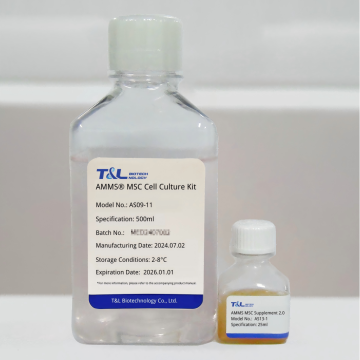


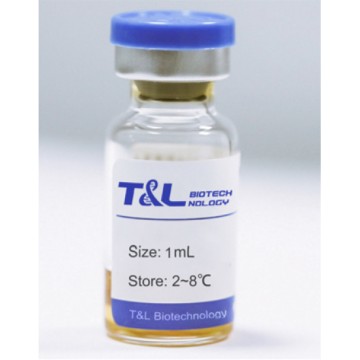
Recombinant human vitronectin protein efficiently binds to extracellular matrices and is primarily used to promote cell adhesion by coating plates or flasks. In the matrix, vitronectin can support cell adhesion by binding to various integrins and other proteoglycans. In addition, vitronectin can function as a chemically defined matrix component in human embryonic stem cell regeneration media.
0102030405

Recombinant Human Vitronectin Protein - GMP Grade from Reliable China Suppliers and Factory
Matrix Binding
Efficiently binds to extracellular matrices to establish a reliable foundation for cell culture applications.
Cell Adhesion
Supports cell adhesion by binding to various integrins and other proteoglycans, ideal for coating plates or flasks.
Stem Cell Media
Functions as a chemically defined matrix component in human embryonic stem cell regeneration media.
Frequently Asked Questions
What is the primary function of recombinant human vitronectin protein?
It is primarily used to promote cell adhesion by coating culture plates or flasks, binding efficiently to extracellular matrices.
How does vitronectin support cell adhesion in the matrix?
Vitronectin supports cell adhesion by binding to various integrins and other proteoglycans present in the matrix.
Can vitronectin be used in stem cell culture?
Yes, vitronectin can function as a chemically defined matrix component in human embryonic stem cell regeneration media.
What does vitronectin target for binding?
It targets and binds to extracellular matrices, as well as various integrins and other proteoglycans.
How is vitronectin applied to culture vessels?
It is typically applied as a coating surface on plates or flasks to facilitate cell attachment.