Leave Your Message

Blog

China Top 10 Biopharmaceutical CDMO Companies?

China Top 10 Biopharmaceutical CDMO Companies?

China’s biopharma manufacturing scene? It’s shifted fast—really fast. Local developers aren’t just looking for any partner now. They want solid science, clean facilities, and people who actually know how to deliver globally. That’s where Biopharmaceutical Cdmo providers start to matter in a big, strategic way. In this intro, we’re looking at ten leading companies working with China’s biopharma sector. The picks take in biologics development, cell line construction, clinical manufacturing, commercial production, tech platforms, and quality systems. Names like WuXi Biologics, Pharmaron, MabPlex, and Porton Advanced Solutions show up because they bring different strengths. Some are all about mammalian antibodies. Others lean into vaccines, cell therapies, or tricky sterile manufacturing. Their capabilities aren’t the same—and honestly, that matters. Martin Meeson, former CEO of Fujifilm Diosynth Biotechnologies, summed up modern biomanufacturing with three priorities: “Speed, flexibility, and quality.” That simple framing still holds up. A fast project isn’t worth much if quality controls fall apart. A huge facility isn’t automatically a partner you can rely on. Real performance shows up in batch records, tech-transfer meetings, deviation management, and shipment planning. So this ranking isn’t absolute. Market data moves. Capacity can grow. A company’s strongest platform may not fit every molecule. Yeah, that’s an uncomfortable limit. Still, sponsors should check inspection history, technical depth, financial stability, how they communicate, and regional support before choosing a partner. The companies below are important options, but they deserve careful comparison—not blind trust.
Read more »
Ethan By:Ethan - October 15, 2026
Why Is Magnetic Bead Technology Changing Global Sourcing?

Why Is Magnetic Bead Technology Changing Global Sourcing?

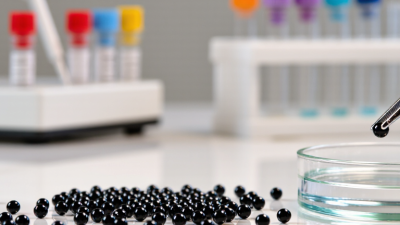
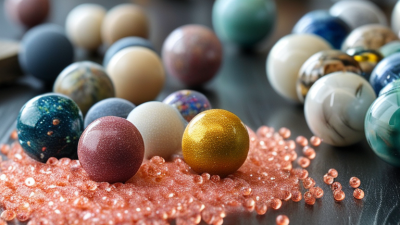
So why is Magnetic Bead Technology changing global sourcing? Well, it starts with something tiny—a small black bead, often less than a millimeter across. In the lab, these beads grab DNA, proteins, cells, and other biological targets. And because they respond to magnets, technicians can move samples around quickly, without all that repeated centrifugation or messy filtration. A Norwegian scientist, John Ugelstad, was one of the pioneers here. He helped develop uniform magnetic microspheres and really shaped the field. His practical way of thinking is often summed up as: “A magnet can make biology easier to handle.” That idea still echoes through sourcing decisions today. Suppliers now look at bead size, surface chemistry, binding capacity, batch consistency, and whether they work well with automation. These things matter—especially when one late shipment can throw off thousands of diagnostic tests. Magnetic Bead Technology is also changing how buyers compare international suppliers. A cheaper price can sometimes hide weaker quality control, unstable coatings, or limited technical support. Better sourcing teams ask for validation data, traceability records, stability studies, and realistic production timelines. They also want to know if a supplier can keep performance steady across different manufacturing sites. That said, the shift isn’t perfect. Some companies still treat magnetic beads like ordinary consumables. That assumption can lead to expensive failures. Two beads might look identical, but perform differently under the same protocol. Temperature, mixing speed, buffer composition, and storage conditions can all change results. These risks take experience—not just a spreadsheet. Companies like Thermo Fisher Scientific and Merck have helped expand global access to magnetic separation products. Still, being a market leader doesn’t mean independent verification isn’t needed. Buyers have to test samples locally, document acceptance criteria, and pay close attention to supplier communication. The real sourcing advantage comes from dependable performance, transparent evidence, and continuous improvement.
Read more »
Ethan By:Ethan - October 11, 2026
Why Choose Gene Therapy Solutions for Global Buyers?

Why Choose Gene Therapy Solutions for Global Buyers?

Global buyers are looking into Gene Therapy Solutions as a way to tackle serious diseases with more precision. The idea is that these therapies might get at the root cause, not just manage symptoms. But let’s be honest: excitement has to be backed by evidence. A promising platform isn’t the same as a proven treatment—not by a long shot. When it comes to reliable sourcing, it starts with transparent science. Buyers should dig into clinical data, manufacturing controls, and whether the product stays consistent. Good providers will walk you through vector design, potency testing, storage conditions, and delivery requirements. They should also have quality systems that line up with the relevant regulatory expectations. The little details matter. Even a damaged temperature log can raise some serious red flags. International projects need more than lab know-how. You’ve got regional approvals, import procedures, ethical review, and patient protection to think through carefully. Experienced partners can help with regulatory communication and pharmacovigilance planning. And they should make clear who’s responsible after delivery. Clear contracts cut down on avoidable confusion. Nothing should just be assumed. The strongest Gene Therapy Solutions blend scientific capability with practical execution. Buyers might compare research experience, facility standards, technical support, and response times. Independent verification is still worth doing, even if a supplier looks credible. Some decisions will involve uncertainty anyway. That’s not a weakness—ignoring it is. A careful evaluation may take longer, but it can protect patients, budgets, and long-term partnerships. For global buyers, trust should be shown through records, qualified people, and consistent communication—not just confident promises.
Read more »
Lila By:Lila - October 7, 2026
Why Choose Magnetic Beads for DNA Extraction?

Why Choose Magnetic Beads for DNA Extraction?

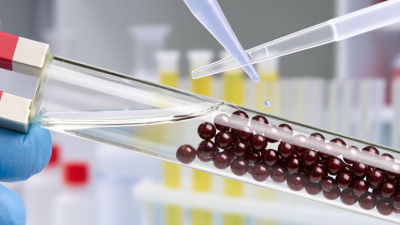
Picking Magnetic Beads for DNA extraction isn’t just some passing trend. It actually reflects a pretty practical shift in how we work—favoring cleaner, faster, and more controllable processes. Dr. Uwe R. Müller, one of the early folks involved with Chemagen Biopolymer-Technologie AG, summed it up nicely: “Magnetic particles make nucleic-acid purification quick, automatable, and scalable.” That statement still rings true today, whether you’re working at a small bench in a research lab or running high-throughput systems. Magnetic Beads really simplify the whole separation process. After you lyse the cells and let the DNA bind, you can just wave a magnet over the tube to pull all the beads to the side. Then, you can remove the liquid without fussing around with centrifuges. That means fewer transfers, less plastic waste, and less time spent handling everything. Plus, these methods work with automation platforms from Thermo Fisher Scientific, QIAGEN, and others—making life easier. Honestly, the biggest win I’ve seen is when you're doing multiple rounds of extraction. Less manual fiddling means less chance of disturbing the pellet or accidentally losing some DNA. Of course, chemistry really counts here. Not all beads are created equal, especially when dealing with different sample types like blood, saliva, tissue, or environmental samples. The efficiency of binding depends on bead size, surface coating, the buffer you’re using, and how viscous your sample is—tiny details that matter more than you might think. For example, a cloudy wash might mean some contaminants slipped through, and a weak elution could be a sign you overdried the beads. These little issues can be easy to overlook but can really affect your results. Magnetic Beads are powerful tools, but they’re not magic—they need to be used correctly. This guide will walk you through why many labs opt for magnetic beads, how their workflow stacks up against silica columns, and where their limits lie. The truth is, while they’re super useful, they’re not a one-size-fits-all solution. A good extraction starts with matching the bead chemistry to your specific sample, application, and what you plan to do next with the DNA.
Read more »
Ethan By:Ethan - October 3, 2026
How to Choose the Right Laboratory Equipment?

How to Choose the Right Laboratory Equipment?

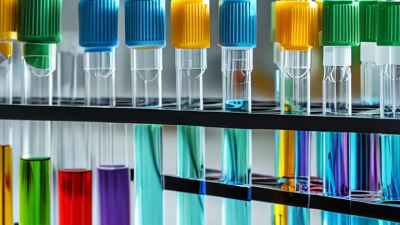
Picking the right Laboratory Equipment really depends on what your lab actually does day-to-day. Just looking at a detailed product page often isn't enough—it won't tell you if that instrument will fit your methods, workload, or the space you've got. So, start by figuring out your main needs: the measurement range you require, the types of samples you'll handle, how much work you'll do each day, and what level of precision you need. Then, compare the specs with your actual procedures—not just go for the most flashy features. For instance, a balance used for tiny sample masses needs good readability and a sturdy, stable bench. Little details like that really matter. Also, keep in mind that reliability isn't just about what you pay upfront. Think about how easy it is to install, what kind of maintenance and calibration are needed, whether spare parts are readily available, and how responsive the supplier’s support team is. It's a good idea to go through the manufacturer’s documentation and make sure their performance claims actually match what you need. If you can, check out the interface and cleaning process before you buy—what looks simple in a brochure might be a pain in the neck when you’re racing against a busy schedule. Don’t forget to consider consumables, training needs, after-sales support, and potential equipment downtime; these all add up and can turn out to be more costly than the initial quote. Sometimes the cheapest option isn’t the best in the long run. And honestly, there’s no one-size-fits-all “best” choice. A small, compact device might be perfect for a tiny team, while a bigger, high-capacity model could really speed things up in a shared facility. It’s smart to ask experienced users to review your shortlist and jot down why certain features matter. Be honest with yourself about the trade-offs—some things won’t become clear until you actually test the equipment with your real workflows. Scheduling a demo or trial run can really help you spot any gaps early on. At the end of the day, making a thoughtful decision means you’ll get more consistent results, improve safety, and make better use of your lab resources.
Read more »
Ethan By:Ethan - September 28, 2026
China Top 10 Cell Culture Media Manufacturers

China Top 10 Cell Culture Media Manufacturers

China’s cell culture market has been growing pretty fast lately, thanks to better manufacturing capabilities and more investment in life sciences. In this guide, I’m going to introduce you to ten notable Cell Culture Media manufacturers in China. But just a heads-up — I’m focusing on practical stuff, not flashy marketing or hype. We’re looking at companies like BasalMedia, Meilun Biotech, Procell Life Science & Technology, OriCell, Pricella, and Cellapy. I’m checking out their product ranges, their experience with formulations, quality systems, tech support, and whether they have solid application data to back up their claims. These things really matter — especially if you’re working with sensitive cells, need consistent growth, or want reliable results in your experiments. Even tiny differences can impact cell shape, survival rates, or downstream analysis. Some suppliers offer serum-free, animal-origin-free, or chemically defined media, which can be a big deal depending on your needs. Others might specialize in media for stem cells, primary cells, immune cells, or organoid research. Just keep in mind — don’t take their product claims at face value. A catalog description isn’t the same as independent proof of performance. This article also takes a look at how these Chinese companies are serving labs around the world. If you’re shopping for high-quality media for stem cell work in the US, for example, things like regulatory paperwork, lot-to-lot consistency, shipping conditions, and customer support are super important. Certifications can help build confidence, but they shouldn’t replace your own lab validation. And let’s not forget — no list is perfectly objective. Your decision might vary based on your budget, the specific cell lines you’re working with, your protocols, or where you’re based. Before buying, it’s a smart idea to compare technical sheets, certificates of analysis, sterility reports, and any trial data. A manufacturer that’s truly dependable will be transparent, responsive, and honest about their product capabilities — and that’s way more valuable than a shiny brochure or fancy marketing speak.
Read more »
Ethan By:Ethan - September 23, 2026
Why Choose T&L Biotechnology as Your Global Supplier?

Why Choose T&L Biotechnology as Your Global Supplier?

When you're choosing a global supplier, it’s honestly about more than just snagging a good price. You really need to see solid proof, consistent performance, and practical support that you can rely on. That’s exactly what T&L Biotechnology brings to the table every day—whether it’s picking out the right products or coordinating deliveries. Their approach links Biotechnology And Biotechnology Equipment with real, documented quality procedures, quick communication, and guidance tailored to actual applications. Because let’s be honest: when a shipment gets delayed, it can throw off your entire lab schedule, and nobody wants that kind of hassle. Dr. Amelia Chen, a biotech supply-chain expert at T&L Biotechnology, puts it simply: “Reliable supply comes from clear specs, traceable processes, and honest, straightforward talking.” Trust is built on proof, and T&L makes sure you’ve got that proof, whether it’s through product documentation, batch info, inspection routines, or open communication with clients. These little details really help labs compare their needs before they buy, and they also make life way easier during installation, maintenance, or routine use. A good global supplier gets that every market has its own expectations but still needs to keep things professional and efficient. T&L works hard on that balance—handling international logistics, technical questions, and after-sales support. Their team can help you figure out if equipment is compatible, what the best packaging options are, and when your delivery will arrive. And let’s be honest—no project’s perfect all the time. When hiccups happen, a solid supplier doesn’t hide from them; they acknowledge delays, dig into what went wrong, and look for ways to get better. That kind of attitude builds long-term trust and collaboration. Because at the end of the day, a strong partnership isn’t about empty promises. It’s about consistent performance, keeping good records, and being honest and helpful—even when things get tricky.
Read more »
Lila By:Lila - September 18, 2026
China Top 10 Gene Therapy Solutions Companies?

China Top 10 Gene Therapy Solutions Companies?

China’s gene therapy scene is really starting to shift from just promising experiments to more careful, step-by-step clinical development. In this article, I’ll introduce you to ten companies that are actively shaping the country’s Gene Therapy Solutions landscape. Some of the big names include JW Therapeutics, CARsgen Therapeutics, IASO Biotherapeutics, Gracell Biotechnologies, and Shenzhen Pregene Biopharma. We picked these companies based on their progress in clinical trials, the platforms they’re using, manufacturing capabilities, published evidence, and regulatory experience. We also looked at whether they can handle the entire development process—everything from designing vectors and preparing cells right through quality control and patient monitoring. Companies like Belief BioMed, Shanghai Longyao Biotechnology, and Eureka Therapeutics offer different approaches within this super fast-changing space. There might even be other companies worth mentioning, but this gives a good starting point. Now, here’s the tricky part—company rankings get outdated pretty quickly. New clinical results, partnerships, mergers, or regulatory decisions can change the game in no time. So, don’t take this overview as the gospel—it’s more about focusing on real milestones, transparent research, and genuine healthcare impact. Also, it’s important to keep in mind that gene therapy isn’t the same as cell therapy, gene editing, or broader immunotherapy, even though these fields often overlap. They all have different manufacturing challenges and clinical requirements. And just to be clear, I won’t be presenting early lab results as confirmed treatments—because that could be misleading for patients, investors, or healthcare workers. A careful, nuanced approach is key. China’s biotech industry is definitely ambitious, but progress isn’t always even across the board. Some areas have strong infrastructure, but long-term evidence for certain platforms is still limited. Think of this article as a structured starting point—definitely not the final word. When evaluating each company, it’s best to look at current clinical data, regulatory filings, peer-reviewed research, and independent expert opinions. That way, you get a clearer picture of where things really stand.
Read more »
Lila By:Lila - September 14, 2026
2026 Top Magnetic Bead Kit Types for Global Buyers

2026 Top Magnetic Bead Kit Types for Global Buyers

By 2026, labs around the world are really paying more attention when it comes to choosing Magnetic Bead Kits. It's not just about picking any kit – the right one can actually save you time on purification, cut down on manual handling, and lead to more consistent results. But here’s the catch: product names can be a bit tricky because they often hide the real differences. So, it’s super important to dig into details like bead chemistry, how much they can bind, particle size, what buffers they’re compatible with, and how well they recover samples. You’ll find different kinds out there. For example, silica-coated beads are common for DNA and RNA prep, while carboxyl-coated beads are useful for cleaning up nucleic acids and selecting for specific sizes. Then there are oligo-dT beads, which are perfect if you’re trying to grab messenger RNA from complicated samples. Protein A and G beads? They’re the go-to for purifying antibodies and doing immunoprecipitations. Some kits are built for quick, high-throughput automation, while others are more suited for small labs that rely on magnetic racks and manual pipetting. But here’s some food for thought: the performance of these beads isn’t just about the product itself. Things like how viscous your sample is, salt levels, how vigorously you mix, and even how much you elute can totally change the game. So, a kit that works great with blood might not perform the same with cultured cells or environmental samples. The label doesn’t tell the whole story. Savvy buyers tend to compare datasheets, validation studies, and independent application notes before making a decision. They also often look at what trusted brands like Thermo Fisher Scientific, QIAGEN, and Bio-Rad Labs are offering. But, honestly, brand reputation isn’t everything — you still need to test things out yourself because tiny differences in workflow setup can really add up in daily work, affecting costs and how long operators spend handling samples. When it comes to buying globally, there’s more to consider than just prices. You need to check the documentation, storage conditions, batch traceability, shipping requirements, and regional regulations. Sometimes, prices look great until you add in shipping fees and import rules. The market can be a bit messy like that. Some comparisons are still tough to make perfectly. This guide walks you through the main types of Magnetic Bead Kits available in 2026 and helps you figure out which one might be the best fit for your particular needs.
Read more »
Clara By:Clara - September 11, 2026
2026 Top T&L Biotechnology Suppliers for Global Buyers

2026 Top T&L Biotechnology Suppliers for Global Buyers

The biotech supply market in 2026 is really getting more complicated, regional, and sensitive when it comes to quality. I mean, according to Grand View Research, the global biotech market hit around USD 1.55 trillion in 2023. And they’re forecasting a pretty impressive 13.8% annual growth rate from 2024 through 2030. As this expansion picks up, there’s definitely more demand for trustworthy T&L biotech suppliers, certified equipment, and transparent international logistics. For buyers around the world, choosing a supplier isn’t just about the price tag. Things like temperature-controlled shipping, batch traceability, calibration records, and regulatory paperwork can seriously make or break your project. The WHO stresses the importance of quality assurance across the entire supply chain for pharma and biotech products. Meanwhile, the OECD points out how biotech is becoming even more vital in healthcare, farming, and industrial stuff. All of this just reinforces why it’s worth taking a broader look at Biotechnology And Biotechnology Equipment providers—think manufacturers, distributors, lab integrators, and cold-chain specialists. And let’s not forget — experience still really counts. Dr. Frances Arnold, who won a Nobel in biotech, always says, “Nature is the best chemist.” That’s not just a nice quote; it’s actually a pretty good lesson for buying decisions. The best suppliers are those who marry scientific know-how with solid execution. The companies listed in this guide are evaluated based on what they can deliver—product quality, backup systems, delivery speed, support, and evidence of international trust. But hey, no list is perfect. Things in the market change fast, and performance can differ depending on where you are. So, it’s smart to double-check certifications, lead times, after-sales support, and local compliance before you commit. Doing your homework might slow things down a bit, but trust me, it saves you from costly delays down the line, especially in 2026.
Read more »
Ethan By:Ethan - September 7, 2026
Top Biotech CDMO Options for Global Buyers in 2026?

Top Biotech CDMO Options for Global Buyers in 2026?

In the fast-changing world of biotech, the role of a Biotech CDMO (Contract Development and Manufacturing Organization) is becoming more and more important. As industry expert Dr. Emily Carter puts it, “Having the right biotech CDMO partner can really make a difference—helping turn an idea into a market-ready product quicker and smoother.” With the surge in demand for personalized medicine and biologic drugs, businesses around the globe are going to need to find trustworthy partners by 2026—it's a big deal. The biotech CDMO scene is changing fast. Companies like Catalent and Lonza are leading the way, focusing on streamlining manufacturing processes. They offer key services like developing cell lines and formulating drugs. But it’s not just about capacity; buyers really need to pay attention to the expertise these companies bring to the table. A CDMO with solid experience handling complex products can seriously impact project timelines—saving everyone from a lot of headaches. Of course, challenges are part of the package. Sometimes, clients struggle to match their needs with what a CDMO can actually deliver, which can cause miscommunications and delays. Picking a partner that’s not the right fit can even set projects back. As Dr. Carter warns us, “Doing your homework when choosing a biotech CDMO isn’t just smart—it’s essential for making sure everything goes smoothly.” Getting these details right will be key for navigating the competitive landscape and hitting those 2026 goals.
Read more »
Ethan By:Ethan - August 29, 2026